
Sustainable fashion is becoming more than just a trend. It is now a conscious lifestyle choice for people who want to reduce their environmental impact without compromising on comfort or style. Among the many eco-friendly fabrics available today, linen stands out as one of the smartest options. Linen clothes offer a perfect combination of sustainability, durability, and timeless elegance, making them an ideal choice for environmentally aware consumers.
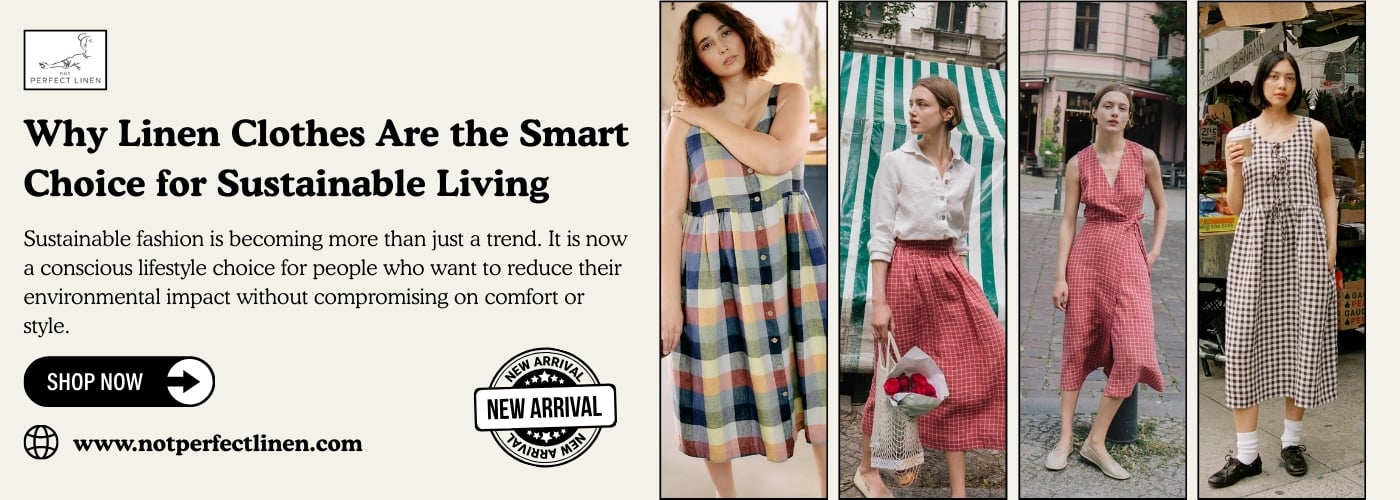
One of the biggest reasons linen is considered sustainable is its natural origin. Linen is made from flax plants, which require significantly less water compared to cotton. Flax can grow in poor-quality soil and often does not need heavy chemical fertilizers or pesticides. This reduces environmental damage and supports healthier farming ecosystems. Choosing linen clothes means supporting a fabric that has a lower ecological footprint right from the production stage.
Another important benefit is durability. Linen is known for its strength and long lifespan. Unlike fast fashion fabrics that wear out quickly, linen garments can last for years with proper care. This durability reduces the need for frequent replacements, which ultimately cuts down on textile waste. Over time, linen actually becomes softer and more comfortable, making it a long-term investment rather than a short-term purchase.
Breathability and comfort also make linen a practical choice for everyday wear. Linen fibers allow air to circulate easily, helping regulate body temperature in both warm and cool climates. This makes linen clothes especially popular in hot and humid regions, where comfort is essential. The moisture-wicking properties of linen also help keep skin dry, which adds to its appeal for daily use.
From a sustainability perspective, linen is biodegradable and recyclable. Unlike synthetic fabrics that release microplastics into water systems during washing, linen is a natural fiber that breaks down safely over time. This significantly reduces environmental pollution and makes linen a responsible choice for eco-conscious wardrobes.
Linen also supports slow fashion values. Its classic look does not go out of style, allowing people to create versatile wardrobes with fewer pieces. Neutral tones, relaxed silhouettes, and timeless designs mean linen garments can be worn for many seasons without looking outdated. This encourages mindful consumption and reduces the demand for disposable fashion.
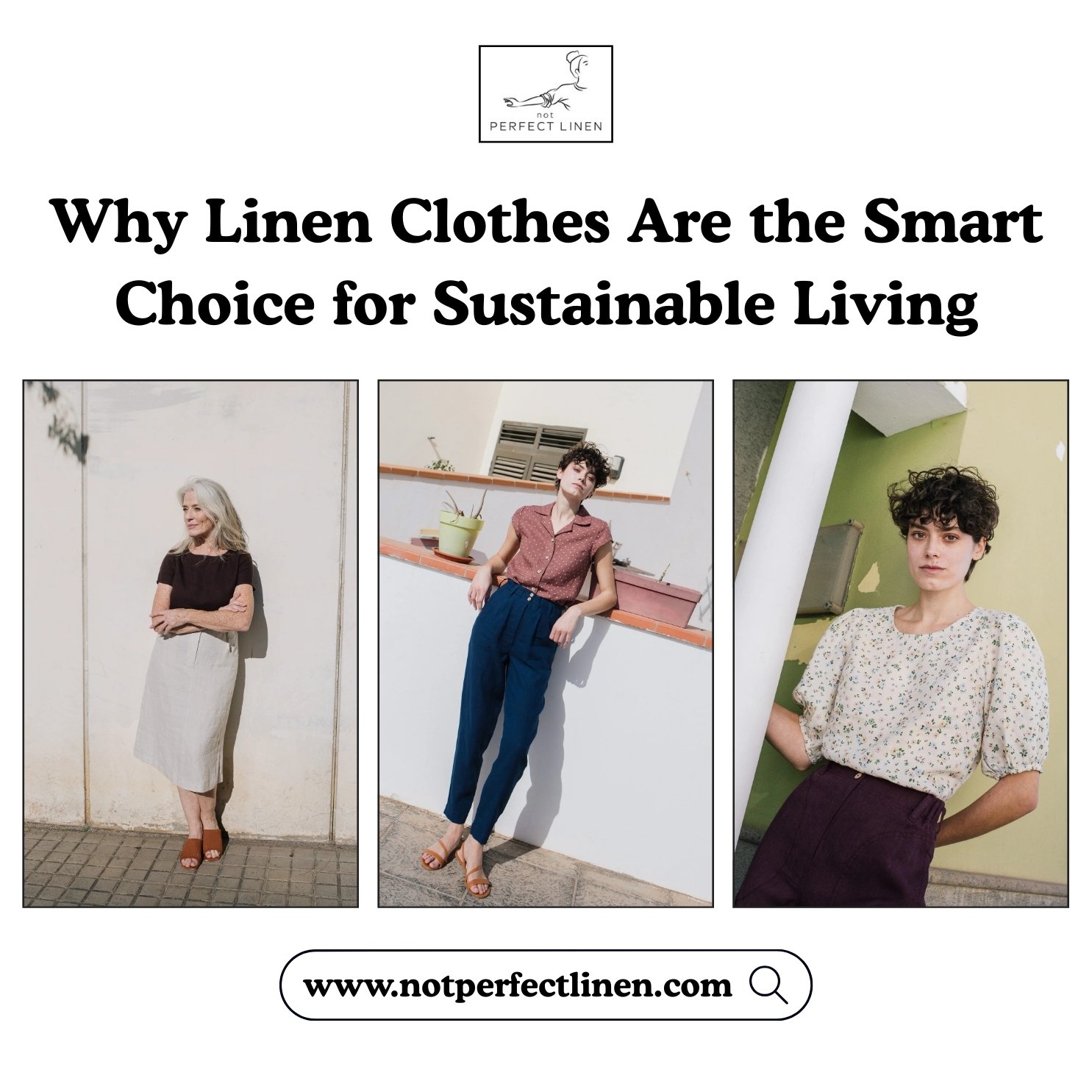
Additionally, linen production often involves traditional craftsmanship and ethical manufacturing practices. Many brands focus on responsible sourcing, fair wages, and small-batch production when working with linen. Supporting such brands contributes to more ethical fashion systems globally.
In a world where sustainability matters more than ever, choosing fabrics wisely can make a real difference. Linen offers an environmentally friendly, comfortable, and durable solution for people who want their clothing choices to align with their values.
FAQs
1. Are linen clothes better for the environment than cotton?
Yes, linen generally requires less water, fewer chemicals, and has a lower environmental impact compared to conventional cotton production.
2. Do linen clothes last longer than other fabrics?
Linen is one of the strongest natural fibers, so garments made from it can last for many years when properly cared for.
3. Is linen suitable for all seasons?
Yes, linen is breathable for summer and can also be layered during cooler months, making it suitable year-round.
For those looking to embrace sustainable fashion without sacrificing quality or style, explore thoughtfully crafted collections from not Perfect Linen, where comfort meets conscious living.