
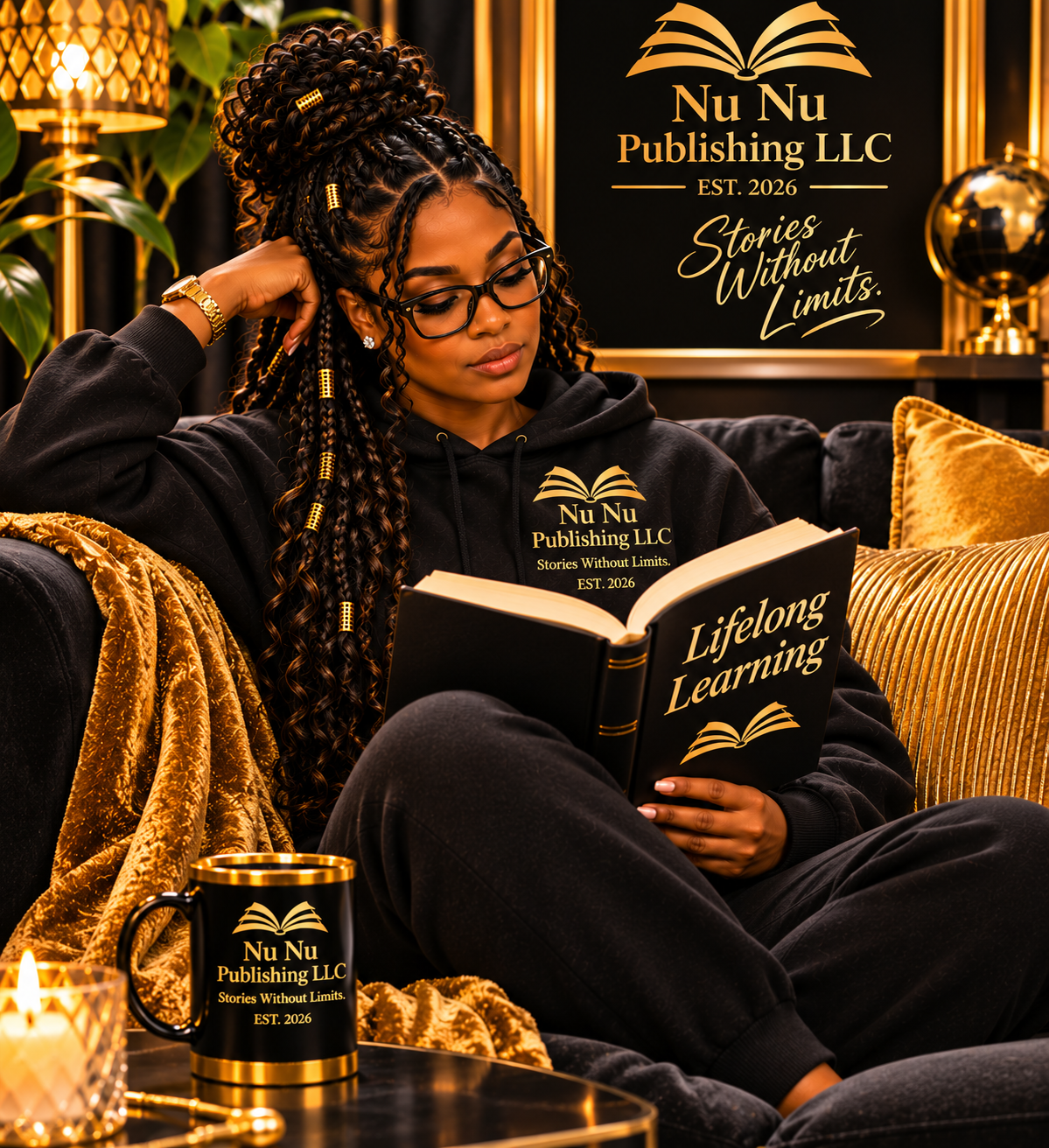
You are never too old, too experienced, or too established to learn something new.
One of the greatest investments you can make in yourself is a commitment to never stop learning.
Education does not end when you graduate from school, receive a certificate, complete a training program, or establish a career. The world continues to change, industries continue to develop, technology continues to advance, and new opportunities continue to emerge.
The knowledge that helped you succeed yesterday may not be enough to prepare you for tomorrow.
Lifelong learning is about remaining curious, expanding your understanding, developing new skills, and giving yourself opportunities to grow throughout every stage of life.
Learning Keeps You Growing
It is easy to become comfortable with what we already know.
You may have experience in your career, understand your industry, or feel confident in your abilities. However, there is always something new to discover.
Learning can help you improve your communication, strengthen your decision-making, develop your creativity, and approach challenges from different perspectives.
It also reminds you that growth is not limited to a particular age or stage of life.
You can begin learning a new language, explore entrepreneurship, study technology, develop writing skills, or pursue a completely different career interest.
Your curiosity can take you in directions you never considered.
Education Does Not Always Require a Classroom
Traditional education is valuable, but it is not the only way to develop knowledge.
You can learn through:
- Books and educational publications.
- Online courses and workshops.
- Professional training programs.
- Podcasts and educational videos.
- Mentorship and networking.
- Industry conferences and seminars.
- Research and independent study.
- Hands-on experience.
There are many opportunities to develop skills without returning to a traditional classroom.
The important thing is to choose reliable learning resources, verify information, and apply what you discover.
Learning Can Create New Opportunities
Sometimes the opportunity you want requires knowledge you have not yet developed.
Perhaps you want to start a business but do not understand business finances. Maybe you want to become an author but need to learn about editing, formatting, and distribution. You may want to change careers but need additional training or professional qualifications.
Instead of allowing the unfamiliar to discourage you, use it as an opportunity to learn.
Developing new skills can make you better prepared to pursue opportunities, adapt to changes, and make informed decisions.
You do not have to know everything before you begin. You simply need to remain willing to learn what you need along the way.
Become Comfortable Being a Beginner
One reason people avoid learning something new is the fear of not being good at it immediately.
They worry about making mistakes, asking questions, or looking inexperienced.
But every experienced professional was once a beginner.
You will not understand every concept the first time you encounter it. You may need to repeat lessons, practice new skills, ask for clarification, and make adjustments.
That is part of learning.
Do not allow embarrassment or perfectionism to prevent you from developing abilities that could benefit your future.
Give yourself room to grow.
Teach Yourself Something That Your Future Self Will Appreciate
Think about the goals you want to accomplish over the next several years.
What skills would help you get there?
If you want to become an entrepreneur, consider learning business management, marketing, financial organization, and customer service.
If you want to become an author, explore writing techniques, editing, publishing, and audience development.
If you want to improve your career opportunities, research professional certifications, technology skills, communication, and industry-specific training.
You do not have to study everything at once. Choose one area, establish a realistic learning routine, and build from there.
Make Learning Part of Your Lifestyle
You do not need to dedicate several hours every day to lifelong learning.
You can read a few pages before bed, listen to an educational podcast during your commute, complete an online lesson during the weekend, or research a topic that interests you.
The goal is to develop a habit of curiosity.
Keep a notebook of useful information. Save reputable resources. Practice what you learn. Revisit concepts that need additional attention.
Most importantly, look for ways to apply your knowledge in real situations.
Information becomes more valuable when you understand how to use it.
Never Allow Your Age or Circumstances to Limit Your Curiosity
You may be starting a new career at 40, learning technology at 55, returning to education at 60, or developing a business later in life.
Your opportunity to grow does not expire.
There is no universal age at which people must stop exploring their interests, developing their abilities, or pursuing new goals.
Your circumstances may influence how you learn, how much time you have, and which resources are available to you, but they do not have to eliminate your desire to grow.
Give yourself permission to become a student of something new.
Your Learning Challenge
Answer these questions:
- What is one subject I have always wanted to learn more about?
- What skill could improve my personal or professional life?
- What resources are available to help me learn?
- How much time can I realistically dedicate to learning each week?
- How can I apply what I learn to my current goals?
Choose one subject and make a commitment to explore it this month.
Final Thoughts
Never become so comfortable with what you know that you stop discovering what you could learn.
Your education can continue through books, conversations, experiences, mistakes, research, and opportunities you have not encountered yet.
Every new skill you develop gives you another way to approach life. Every lesson you learn can help you make more informed decisions. Every experience can contribute to your personal and professional growth.
You do not have to know everything. You simply have to remain open to learning.
Keep asking questions. Keep developing your skills. Keep expanding your knowledge. Your next opportunity may begin with something new you decide to learn today.
Stories Without Limits.
Nu Nu Publishing LLC
Comments ()