
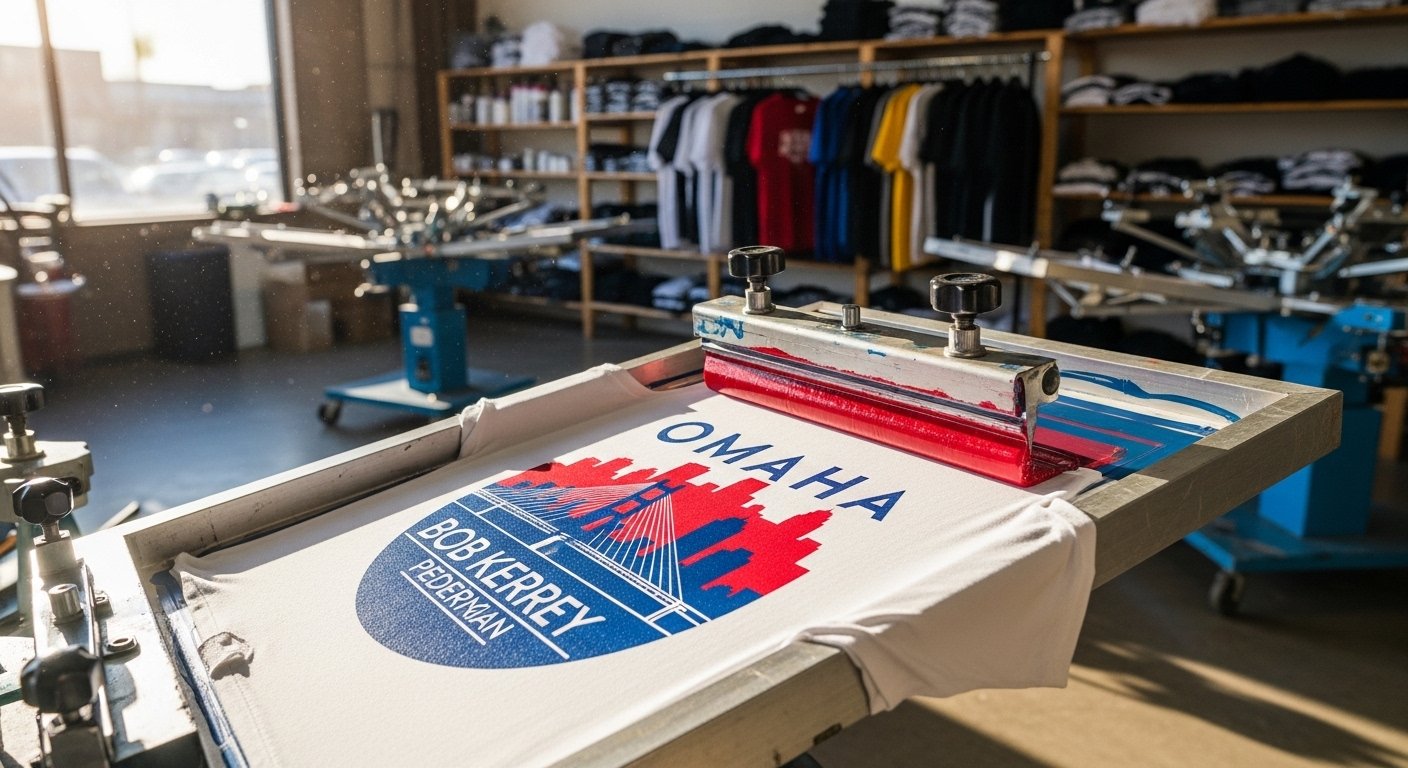
Whether you are dressing a team, dropping a new line of merch or getting ready to have a community fundraiser, the right shirts do not just look good- they can create the recognition and brand experience that will stay consistent. Omaha t-shirt printing seems easy until you have to choose among printing methods, garment combinations, ink types, and turnaround times, while keeping costs predictable and quality high.
In this blog, we will discuss all the practical aspects of printing that you need to keep in mind while placing an order. From what to decide first, to selecting the printing method and fabric, we will cover it all.
Omaha T-Shirt Printing & T-Shirt Printing In Omaha: What To Decide First
Before you compare shops or request quotes, lock in the details that drive quality, price, and scheduling-
- Purpose
- Quantity
- Deadline
- Audience & fit
- Branding rules
Transparency here eliminates the most widespread issues- incorrect color, incorrect feel of the garment, and rush charges.
Common Use Cases According To Businesses
Company clothing tends to be more cost-effective in terms of quality and reorder frequency, whereas event-related apparel tends to be fast, proportional in size, and easy to read visually. Merchandising brands are more inclined to focus on a high level of blanks, soft-hand print, and packaging-ready uniformity.
Choosing the Best Printing Method for Your Project
No single technique works in every scenario. A reliable shop will recommend based on your design, quantities, and garment choice- not just the method they prefer.
Screen Printing
Best for bold designs with limited colors and medium-to-large quantities. It typically delivers excellent durability and cost efficiency at scale.
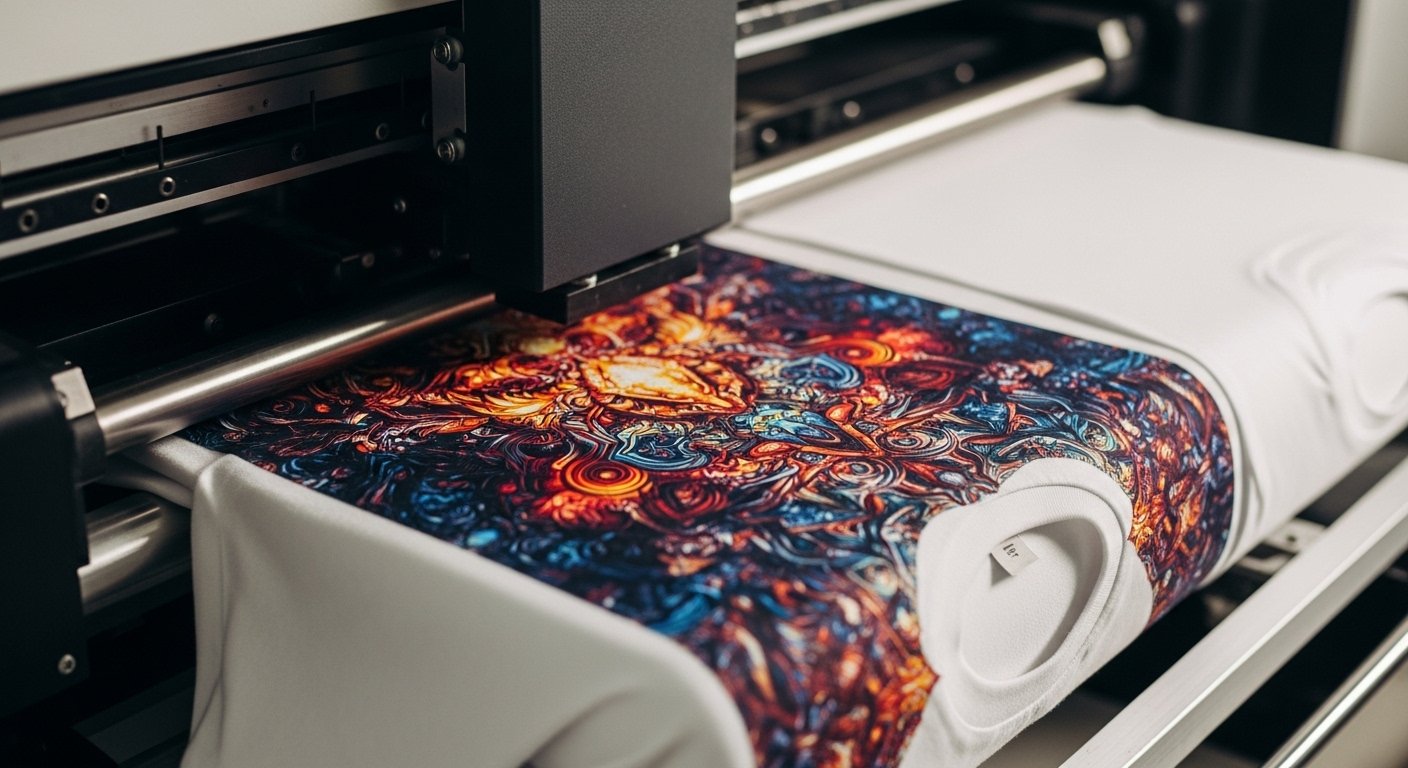
Sublimation Printing
Works well for names/numbers and simple graphics. It can be great for one-off personalization, but it may feel heavier on the shirt than other methods.
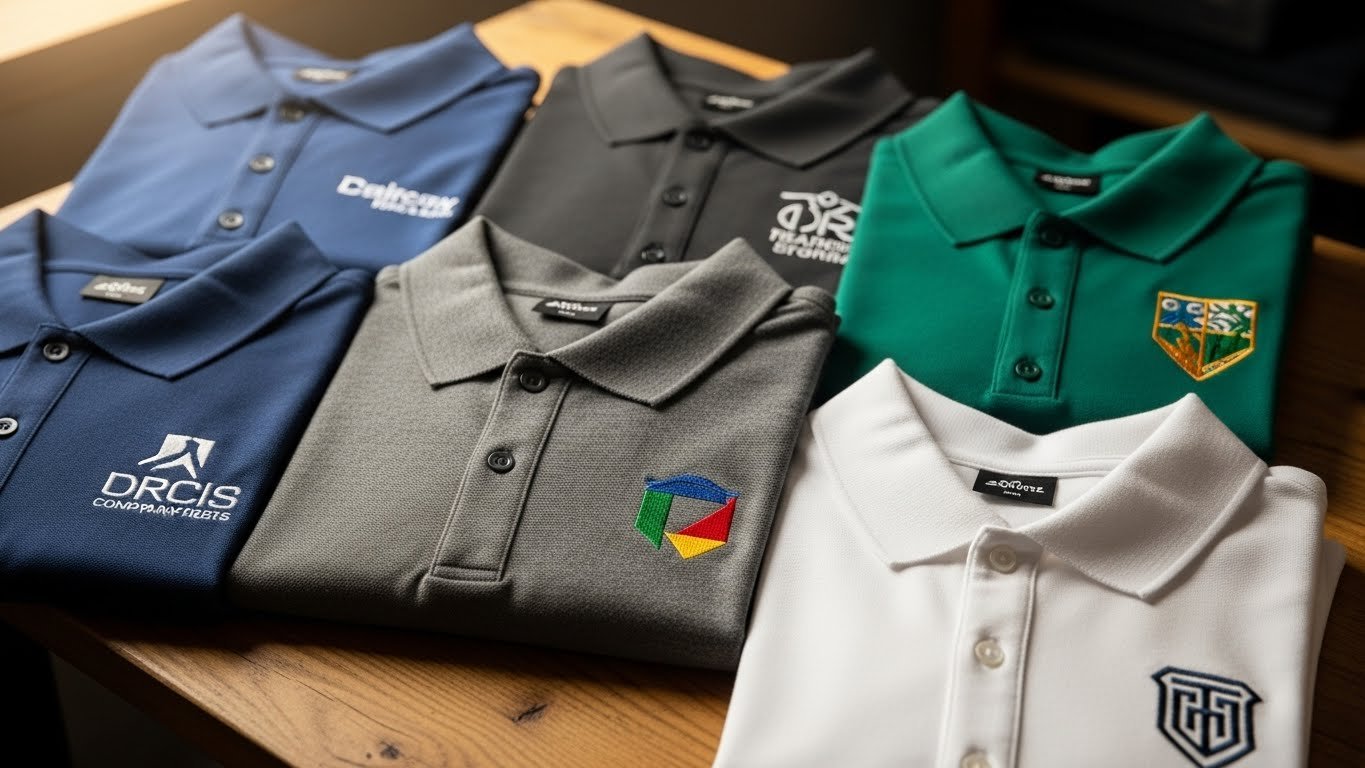
Embroidery
If your goal is a premium look for company apparel, embroidery adds texture and longevity. It's typically better for logos and simpler marks than highly detailed artwork.
Selecting Shirts That People Will Actually Wear
Your garment choice influences comfort, print clarity, and repeat wear.
Fabric & Feel
- 100% cotton: soft, breathable, great for many print types
- Cotton/poly blends: often softer and more shrink-resistant; can be ideal for everyday wear
- Performance fabrics: great for teams and outdoor events, but require compatible inks/techniques
Color, Contrast & Readability
Dark fabrics normally have white undersetting for some printing techniques that may influence the prices and texture. Tone-on-tone tends to appear more high-end with brands, whereas high-contrast designs tend to prevail with event shirts.
Sizing & Ordering Strategy
In the case of events, assume a larger size curve and a small buffer. In the case of staff clothing, make sure you have the right fit preference and whether to have a slim, average, or loose fit. In case you are creating Omaha custom t-shirts for resale purposes, design a standard set of sizes and colors initially, and then add as needed.
Artwork Preparation: The Fastest Path to Clean Prints
Artwork issues are a top cause of delays. To keep production smooth, aim for:
- Vector files for logos:
- High-resolution raster for images
- Fonts outlined or included
- Clear placement notes
- Brand colors specified
If you only have a low-resolution logo, ask whether redraw or vectorization is available before you approve a proof.
Pricing & Turnaround: What Impacts Your Quote?
Costs vary widely because production has real variables beyond "a shirt is a shirt." Expect pricing to depend on-
- Quantity tiers and price breaks
- Number of ink colors
- Print locations: front only vs front + back + sleeve
- Garment brand and quality level
- Specialty inks/finishes:
- Proofing, setup, and any art cleanup
In the case of Omaha t-shirt printing, the schedule is usually dependent on the availability of the garments and the approval of the proofs as much as the print schedule. In the event of a hard deadline, request the rush capacity well before hand and agree on the time you will get final approval proofs.
Step-By-Step Checklist for a Smooth Order
Use this checklist to avoid delays and rework:
- Define the purpose and audience
- Choose garments
- Finalize artwork
- Confirm print method based on design and quantity
- Specify placements and sizes
- Approve a digital proof
- Lock in production and delivery
- Verify the final count by size
A disciplined process like this is especially helpful if you're coordinating multiple stakeholders.
How to Choose the Right Local Partner?
A dependable t-shirt printing shop should be transparent about capabilities and limitations. When you evaluate a provider, look for:
- Clear proofs and approval steps
- Guidance on the best method for your design
- Consistent color management and realistic expectations
- Reorder support (saving art files and matching prior runs)
- Quality control standards (print alignment, curing, thread density for embroidery)
If you're planning ongoing programs, like quarterly staff uniforms or seasonal merch, choose a partner that understands your long-term needs. A local t-shirt printing business can also simplify pickups, last-minute sizing swaps, and faster feedback during proofing.
Conclusion
Custom shirts may seem like an incredible idea to boost morale or brand awareness, but in celebrating the advantages, many often overlook the challenge of getting them right. Only after finalizing crucial steps like choosing the fabric, printing method and more, can Omaha t-shirt printing yield a desirable result.
If you are planning an event or a business activity that requires custom t-shirts, check out Omaha Print Shop for a wide range of printing methods and designs. Contact them today to get a quote!
FAQs
What's the best printing method for small orders?
Sublimation printing is often a strong fit for small batches, especially if your design uses many colors or fine detail.
How far in advance should I order shirts for an event?
Plan for at least 2–3 weeks when possible, plus extra time if you need special garments, multiple print locations, or approval from sponsors.
What file type should I send for my logo?
A vector file is ideal. If you only have a PNG/JPG, send the highest resolution available.
How do I make sure the print looks good on dark shirts?
Use a high-contrast design, confirm whether an underbase is needed, and review a proof carefully for readability and color accuracy.
Can I reorder later and get the same result?
Yes, if the shop saves your approved artwork, garment details, and print specs. Consistent blanks and clear records are key to matching prior runs.