
Introduction to Lung Cancer
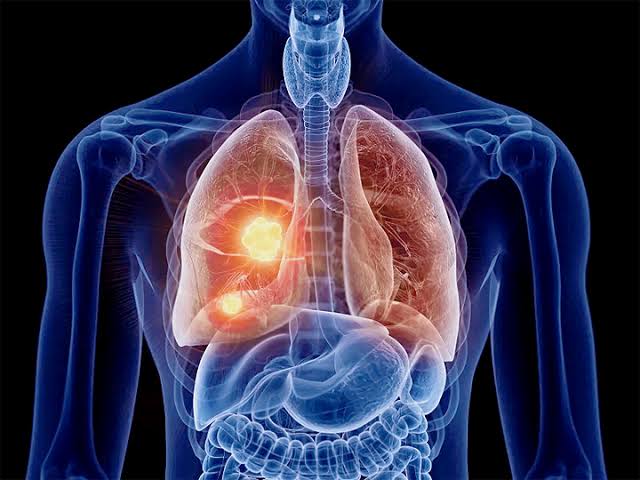
Lung cancer is a serious condition that develops when abnormal cells in the lungs grow uncontrollably. These cells may form tumours, affect normal breathing, and spread to other parts of the body. Smoking is a major risk factor, but lung cancer can also occur in people who have never smoked. Exposure to second-hand smoke, radon, air pollution, and certain workplace substances may increase the risk.
Understanding how lung cancer is diagnosed, classified, and treated can help patients and families make informed healthcare decisions. Early medical evaluation is important because the appropriate treatment depends on the cancer type, its extent, and the patient's overall health.
Understanding Lung Cancer Stages
Doctors use staging to describe the size of a tumour and how far cancer has spread. The staging process helps the oncology team select appropriate treatments and understand the likely course of the disease.
The term lung cancer stages generally refers to the progression of cancer from an early, localised condition to more advanced disease. In non-small cell lung cancer, Stage I usually means the cancer is limited to the lung and has not spread to nearby lymph nodes. Stage II may involve a larger tumour or nearby lymph nodes. Stage III generally describes more extensive disease involving regional lymph nodes or surrounding structures. Stage IV means cancer has spread to distant organs or other areas beyond the original site.
Small cell lung cancer is often described as limited-stage or extensive-stage disease. Limited-stage cancer is generally confined to a region that can be treated within a single radiation field, while extensive-stage disease has spread more widely.
Staging can involve imaging, biopsy findings, lymph node assessment, and other investigations. The exact classification depends on the cancer type and clinical results. Although advanced stages can be challenging to treat, several therapies may help control the disease and manage symptoms.
Common Symptoms of Lung Cancer
Lung cancer symptoms can vary, and some people do not experience noticeable signs during the early stages. Persistent coughing, a change in an existing cough, coughing up blood, chest pain, and shortness of breath may indicate a problem requiring medical attention.
Other possible symptoms include repeated chest infections, unexplained weight loss, fatigue, reduced appetite, and a hoarse voice. These symptoms can also result from conditions unrelated to cancer. However, persistent or worsening symptoms should be evaluated by a healthcare professional. Severe breathing difficulties or coughing up blood requires prompt medical assessment.
How Lung Cancer Is Diagnosed
A lung cancer diagnosis and treatment plan begins with identifying the disease and understanding its characteristics. Doctors typically review the patient's symptoms, medical history, and risk factors before recommending investigations.
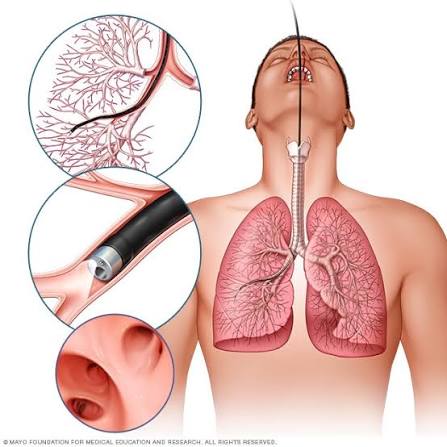
A chest X-ray or CT scan may reveal an abnormal area in the lungs. If further assessment is needed, a specialist may recommend bronchoscopy, a needle biopsy, or another procedure to collect tissue for laboratory examination. A biopsy is often necessary to confirm cancer and identify its type.
Additional imaging may help determine whether the disease has spread. In selected cases, molecular testing identifies genetic changes that can guide targeted therapy. These results help doctors develop a treatment plan based on the patient's specific diagnosis.
Available Lung Cancer Treatment Options
Treatment varies according to the cancer's stage, type, molecular features, and the patient's general health. Surgery may be appropriate for selected patients with localised disease. Radiation therapy uses focused radiation to destroy cancer cells, while chemotherapy uses medicines to slow or eliminate their growth.
Targeted therapy may be recommended when cancer cells have particular molecular changes. Immunotherapy helps the immune system recognise and attack cancer cells and can benefit some patients. Treatment may involve one method or a combination of therapies.
For advanced disease, treatment may focus on controlling cancer growth, reducing symptoms, and maintaining quality of life. The oncology team explains the potential benefits, risks, and expected side effects before treatment begins.
The Importance of Personalised Cancer Care
A multidisciplinary team may include pulmonologists, thoracic surgeons, medical oncologists, radiation oncologists, radiologists, and pathologists. Their combined expertise supports accurate diagnosis and coordinated treatment planning.
Patients should discuss their treatment goals, possible side effects, follow-up schedules, and supportive care needs with their healthcare team. Emotional support, nutrition guidance, and symptom management may also contribute to overall well-being.
Conclusion
Understanding lung cancer staging, diagnostic procedures, and available therapies helps patients prepare for informed discussions with their doctors. Recognising persistent symptoms and seeking timely medical evaluation are important steps. With accurate testing and an individualised care plan, patients can explore treatment options suited to their condition and needs.