
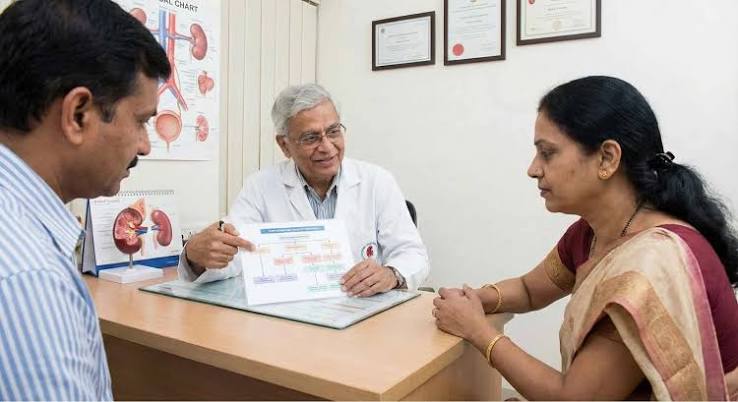
Understanding Nephrology Care
The kidneys are vital organs that filter waste from the bloodstream, maintain fluid and electrolyte balance, help regulate blood pressure, and support several essential body functions. Kidney problems can develop gradually or appear suddenly due to different medical conditions. Timely evaluation can help identify the cause and determine suitable management. nephrology treatment in Bangalore involves specialized medical care for people experiencing kidney-related concerns and conditions.
What Is Nephrology?
Nephrology is the branch of medicine focused on diagnosing and managing diseases that affect the kidneys. Nephrologists care for conditions such as chronic kidney disease, acute kidney injury, protein in the urine, blood in the urine, electrolyte disorders, kidney-related hypertension, and various other renal conditions.
A nephrology consultation generally includes a review of symptoms, medical history, medications, blood pressure, and previous laboratory reports. Depending on the patient's condition, the doctor may recommend blood tests, urine examinations, imaging studies, or other specialized investigations.
General Nephrology Services
general nephrology Bangalore services can support patients with both common and complex kidney conditions. Individuals may seek specialist evaluation when they have abnormal kidney function tests, persistent changes in urination, swelling, uncontrolled blood pressure, or other concerns associated with kidney health.
Nephrology care may include diagnosis, treatment planning, monitoring, and preventive guidance. The appropriate approach depends on the underlying cause and severity of the kidney condition, as well as the patient's overall health and other medical requirements.
Chronic Kidney Disease Management
Chronic kidney disease (CKD) can develop gradually and may remain unnoticed during its early stages. Diabetes and high blood pressure are important risk factors, although other medical conditions can also contribute to kidney damage.
CKD management commonly involves regular monitoring of kidney function, blood pressure, urine findings, and other relevant health parameters. Depending on individual needs, treatment may include prescribed medications, dietary modifications, lifestyle measures, and management of underlying conditions.
Diagnosis and Kidney Function Testing
Accurate diagnosis is an important part of nephrology care. Blood tests such as serum creatinine and estimated glomerular filtration rate can provide information about kidney filtration. Urine testing may help identify protein, blood, or other abnormalities.
Doctors may recommend kidney ultrasound or other imaging examinations when structural abnormalities or specific causes need to be investigated. Additional tests may be considered according to symptoms, medical history, and initial findings.
Managing Diabetes and Hypertension
Diabetes and high blood pressure can affect kidney health over time. Managing these conditions according to medical advice can be an important component of kidney disease care. Regular monitoring helps healthcare professionals evaluate whether treatment is effectively controlling these risk factors.
Patients with kidney disease may require individualized medication and dietary recommendations. It is important to follow prescribed treatment and consult a healthcare professional before making changes to medications or long-term management.
Lifestyle Support for Kidney Health
Healthy lifestyle habits can complement professional nephrology care. Maintaining a balanced diet, engaging in appropriate physical activity, managing body weight, avoiding unnecessary medications, and following recommended fluid intake can support overall health.
People with kidney disease may need specific dietary recommendations based on their kidney function. Sodium, protein, potassium, phosphorus, and fluid requirements can vary considerably between patients. Therefore, dietary changes should be discussed with a qualified healthcare professional.
Symptoms That Need Evaluation
Some kidney conditions can progress without obvious symptoms, particularly during early stages. Possible signs of kidney problems include swelling around the feet or face, changes in urination, foamy urine, blood in the urine, persistent tiredness, nausea, and unexplained changes in blood pressure.
These symptoms may have several possible causes and do not necessarily indicate kidney disease. Persistent or concerning symptoms should be evaluated by a healthcare professional who can determine whether kidney investigations are appropriate.
Importance of Regular Nephrology Follow-Up
Ongoing follow-up can be important for people with diagnosed kidney disease or risk factors for renal problems. Kidney function, blood pressure, medications, urine findings, and electrolyte levels can change over time.
Regular consultations allow healthcare professionals to review these factors and modify the care plan when necessary. Timely evaluation, individualized treatment, and consistent monitoring can help patients better understand their kidney health and manage kidney-related conditions according to their specific medical needs.