
When it comes to selecting a salt company, international buyers are not only looking for a product with a specific colour, grain size or price; they are also searching for a company that can provide them with the right product at the right time. Buyers should also have an understanding of the origins, processing methods and the company's ability to maintain specifications in regular orders while sourcing Pink Salt from Pakistan. This information is particularly relevant for importers, distributors, retailers and food businesses that require continuity of supply.
A trustworthy Himalayan Pink Salt Company should be able to show its sourcing procedures, manufacturing capabilities, consistency of its product, and experience in international shipping. Consumers might also want to know the options for product format and packaging, documentation, and communication before entering into a long-term partnership. By examining these factors in combination, companies can find a supplier to help them meet their needs in the long term, rather than just providing salt. When purchasing Original Himalayan salt products, it is crucial to be in the know at every step of the sourcing and production process.
How a Himalayan Salt Company in Pakistan Builds Product Traceability?
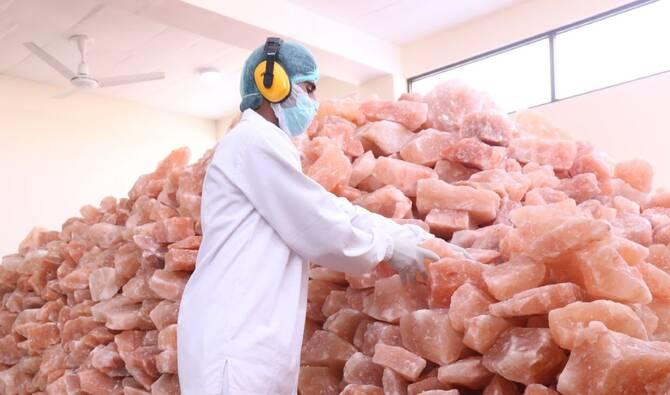
It takes a lot more than extraction to go from a natural salt deposit to a finished product. A Himalayan Salt Company should be able to provide information on where its salt comes from, how it is obtained, and what processes are involved after the salt is extracted. Buyers can expect better information about these stages, as it helps them understand the traceability of products and increases their confidence in the source.
Why Source Transparency Matters to Buyers?
For those who are buying their salt from overseas, understanding the origin of salt is crucial to their business partner assessment. When the sourcing information is clear, buyers are able to keep track of the relationship between natural deposit, processing plant, finished product and final shipping. It's easier to tell when this transparency has been achieved, as well as identify the products that are not clearly sourced from the Himalayas.
A Company’s Manufacturing Setup Tells Its Own Story
The manufacturing process of a company can say a lot more than just a product catalogue. These are some of the factors that are useful to consider when assessing a salt business: processing facilities, machinery, production capacity, quality control and the people who make up the Products being offered. It is also important for the buyer to determine if this business can provide consistent production when there are increased orders. A well-structured manufacturing operation is better equipped to comply with consistent specifications and to address recurring B2B requirements.
Fine and Coarse Grades for Different Markets
The size of the salt crystallites will influence the use and packaging of a salt product for various markets. It is recommended that the buyer check the grade before placing an order, especially in the case of Pink.
Himalayan Salt Grades and Common B2B Applications
Himalayan salt is available in different grain sizes and formats to suit the needs of different industries and buyers. Choosing the appropriate grade depends on the intended application, processing requirements, and packaging format.
- Fine: Commonly used for seasoning, food manufacturing, and retail packs.
- Coarse: Suitable for food-service applications, culinary use, and salt grinders.
- Granulated: Often used in food processing, seasoning blends, and applications requiring a more uniform grain size.
- Customized sizes: Available for specific buyer, product, or market requirements where a particular particle size is needed.
More Than One Salt: Looking at the Product Portfolio
A mature salt company may provide more than one format due to the varying needs and markets of international buyers and their customers. A wider product range enables importers, distributors and retailers to obtain the required product grades and packaging from a single source instead of having to deal with multiple suppliers.
Everyday Pink Salt Formats
Pink Salt can be prepared in different forms depending on the intended use and customer requirements:
- Fine: Suitable for seasoning and everyday food applications.
- Coarse: Often selected for culinary use and salt grinders.
- Granulated: Used where a more uniform grain size is required.
- Retail packs: Designed for consumer-facing products.
- Bulk formats: Suitable for wholesalers and commercial buyers.
Products Built Around Buyer Requirements
B2B buyers might require a product that isn't a typical catalogue item, but is tailored to their distribution process. Products can be provided in food-service format, bulk sizes, retail-ready packaging, or private-label format. The custom packaging can also assist businesses in matching the salt product with their brand name, market demands, and consumer desires.
What Export Capability Reveals About a Salt Business?
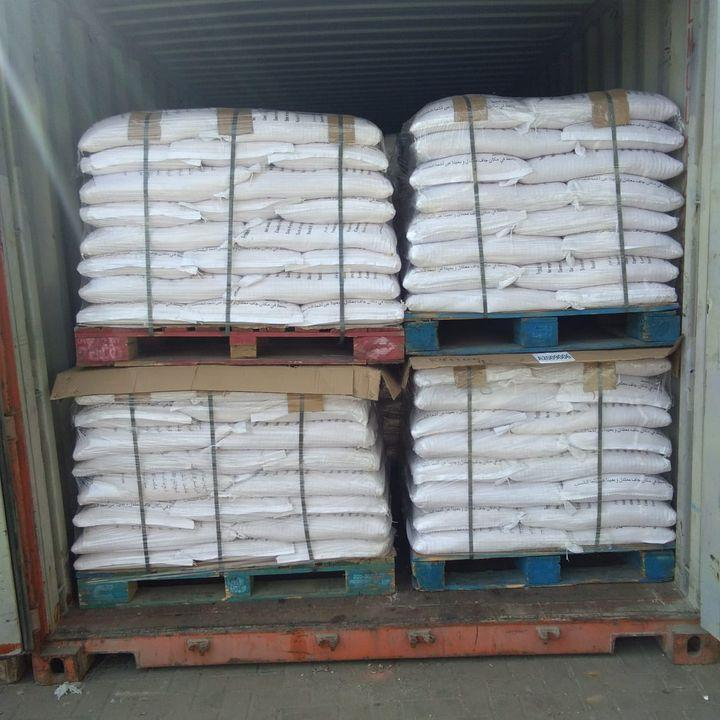
Responding to orders outside of the domestic market is where a salt company's international experience comes to the fore. Exporting involves more than preparing the Top Salt Exporter in Pakistan product; it requires accurate export documentation, suitable transportation packaging, careful container loading, and clear communication with overseas buyers. Requirements may also vary depending on the destination market, so it is advisable to have an experienced exporter who is familiar with the documents and information required for each shipment.
Another important aspect of international business is delivery planning. It should be clear to the buyer what is being produced, when, how, and what changes may impact shipments. These practices will contribute to a more streamlined process from confirmation of order to arrival at the buyer's destination.
Why Reviews Are Only One Part of the Picture?
While reviews help, here are a few other factors that B2B buyers should take into account:
- Determine if the supplier is able to produce the product grade, size, packaging and other requirements.
- Confirm certifications, quality reports, testing documentation and other related compliance documents.
- Ensure that the company has enough manufacturing capacity for both first and repeat purchases.
- Determine the time and clarity with which the supplier responds to queries, requests and concerns.
- Consider lead times, shipping arrangements, order accuracy, and supplier reliability to provide the agreed delivery dates.
- Check if the supplier can produce the same quality of output on more than one order.
- When a complaint, damaged shipment, delays, or any other issues arise, determine how the company handles them.
- Don't just focus on making one sale, but instead think about whether the supplier can offer reliable service for a long-term business partnership.
How to Assess a Himalayan Salt Company Before a Long-Term Relationship?
When considering a long-term B2B relationship, buyers need to consider all of the facts and not just one. A practical evaluation may be able to collate the information gathered in the sourcing process and assist the purchaser in determining if the company is an appropriate candidate for their market and order needs.
Key Factors to Check When Choosing a Salt Supplier
When evaluating a salt supplier, buyers should look beyond the product catalog and assess several factors that can directly affect quality, reliability, and the overall sourcing experience:
- Product origin: Verify where the salt is sourced to confirm authenticity and traceability.
- Manufacturing setup: Review the company’s production facilities and capabilities to understand whether it can handle your required volumes consistently.
- Product specifications: Check grades, particle sizes, purity, moisture levels, and other specifications to ensure the product matches your requirements.
- Quality documentation: Request relevant quality certificates and documentation to support product verification and market compliance.
- Packaging: Evaluate packaging options to ensure the salt remains protected during storage, handling, and international transportation.
- Export experience: Consider the supplier’s experience with international shipments to help minimise potential logistics and documentation issues.
- Communication: Assess how clearly and promptly the supplier responds, as effective communication is essential for smooth B2B coordination and order management.
Why Pakistan Has a Strong Position in the Himalayan Salt Trade?
The country's presence in the trade of Himalayan salt is facilitated by its natural salt resources and the development of supportive infrastructure in Himalayan salt processing sites and for international distribution. With the demand for other grades, sizes, packaging, and private labelling by global buyers, there are opportunities for salt businesses in Pakistan to add value in the lead-up to international markets.
Natural salt can be processed and value-added to make products for food, retail, food-service and other commercial uses. Product diversification can also enable exporters to meet varying buyers' needs by providing a range of products besides raw or low-processed salt. Pakistani salt industries can reach out to the importers and distributors of the markets through established international distribution channels.
Purchasers might look for the Best Himalayan Salt Company in Pakistan, but title should not be the only criterion to make a decision. Product quality, manufacturing capacity, documentation, export experience, consistency and other factors are important.
Conclusion
They should not only be able to purchase a specific kind of pink salt at an appropriate rate but also have the capacity to partner with them. International buyers should consider the entire supply chain, including the sourcing and manufacturing of the products, as well as their range of sizes, packaging, and quality assurance. For example, a company that has defined processes can make it easier for the buyer to keep the quality of the product consistent when they place a regular order.
Experience with export is also important, as all of these elements are crucial in the preparation of international delivery, which involves clear and precise documentation, packaging and delivery planning. Meanwhile, feedback and past customer reviews can give valuable information about a company's business relationship management process.
A reliable Himalayan Salt Company ought to have the capacity to accommodate the evolving requirements of B2B and keep its products and services steady. Assessing these factors before any partnership can contribute to a long-term stable sourcing relationship that can be beneficial for importers and distributors.