
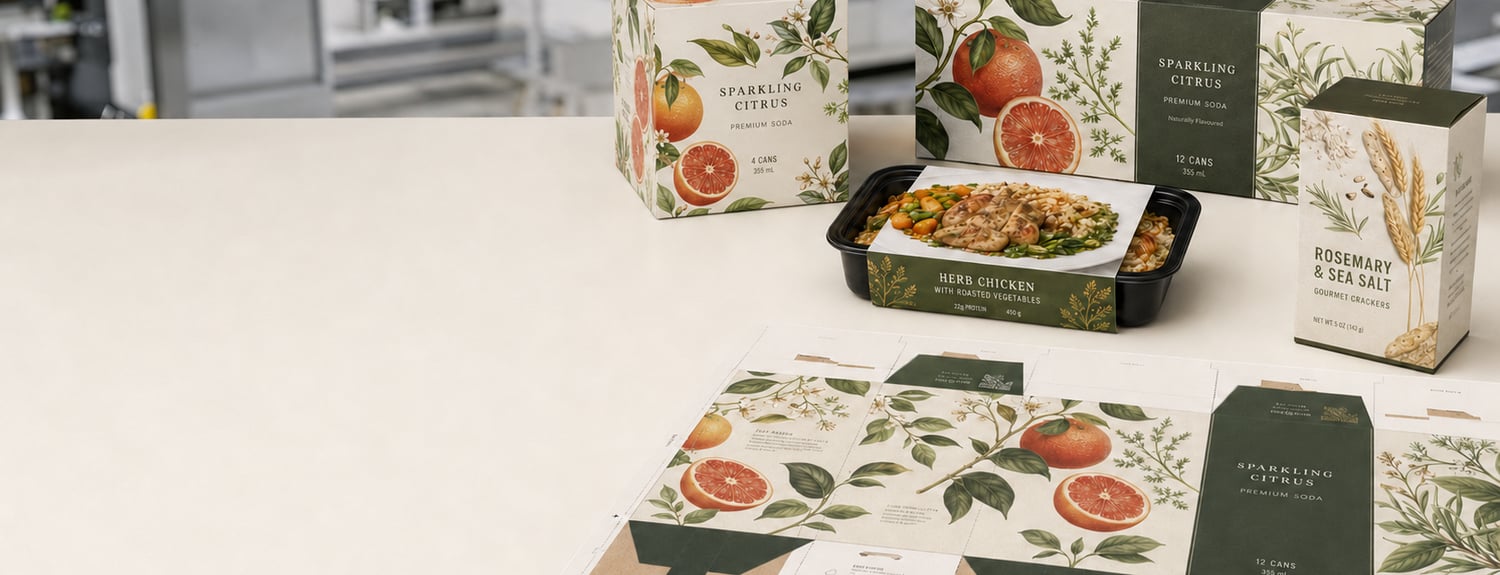
Packaging is often the first physical interaction customers have with a product. For modern brands, it needs to protect the product while also communicating quality, personality, and value. This is where folding carton packaging has become a popular choice across industries. Versatile, lightweight, customizable, and visually appealing, folding cartons provide businesses with an effective way to present products while supporting practical packaging needs.
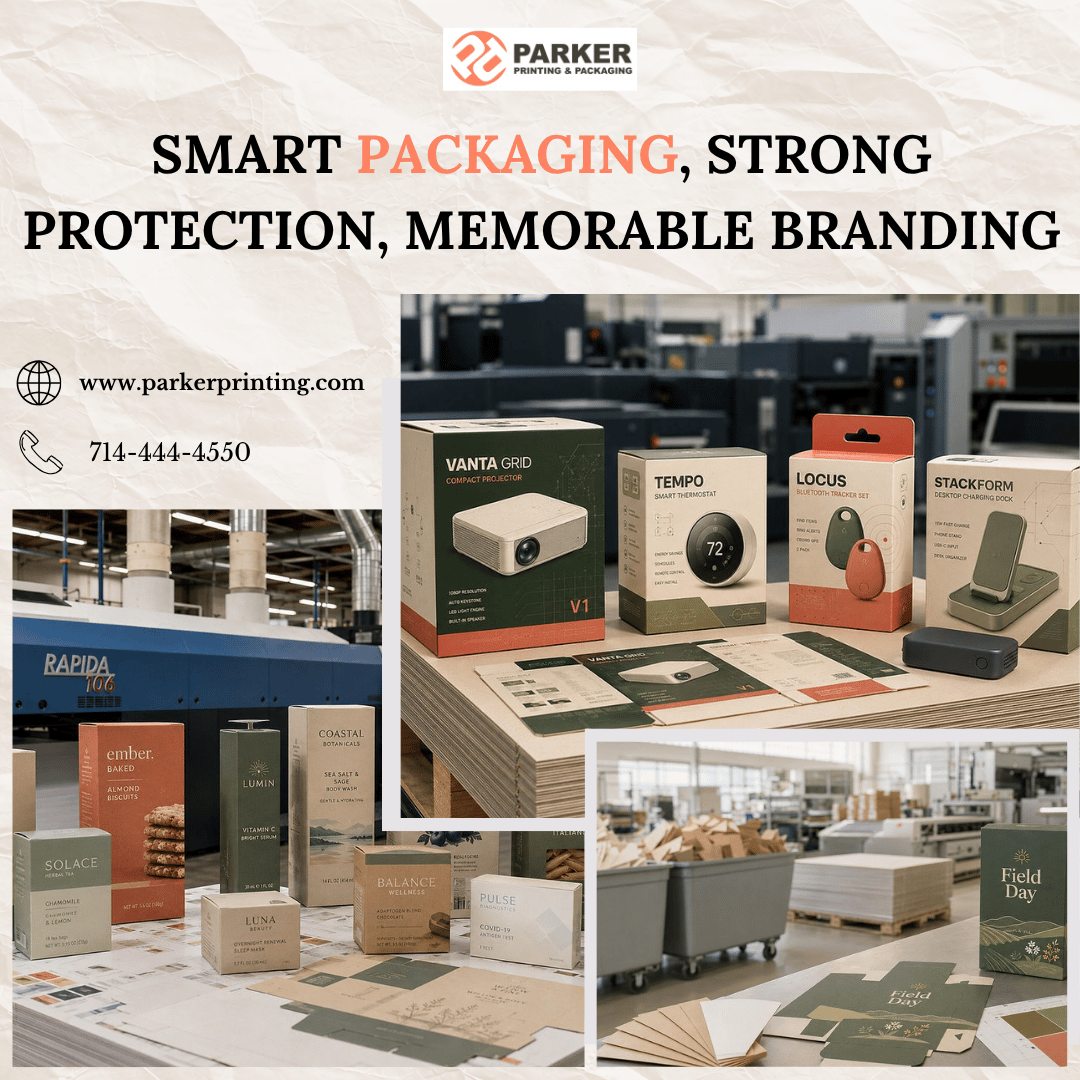
What Is Folding Carton Packaging?
Folding cartons are paperboard packages that are printed, cut, scored, and folded into different shapes. They are commonly used for products such as cosmetics, food, pharmaceuticals, electronics, household goods, and retail products.
Unlike rigid boxes, folding cartons are generally shipped flat and assembled when needed. This helps reduce storage requirements and transportation costs. Their large printable surfaces also give brands plenty of space for logos, product information, instructions, graphics, and promotional messaging.
Popular Types of Folding Cartons
There are several styles of folding cartons, allowing businesses to select a structure that matches their product and brand requirements.
1. Straight Tuck-End Cartons
These cartons feature flaps that tuck into the front and back panels. They are simple, practical, and widely used for retail products. Their straightforward construction also makes them suitable for efficient automated packaging.
2. Reverse Tuck-End Cartons
Similar to straight tuck-end boxes, reverse tuck-end cartons have flaps that fold in opposite directions. This design can provide convenient opening and closing while making efficient use of paperboard.
3. Auto-Lock Bottom Cartons
Auto-lock bottom cartons are designed with a pre-glued base that locks into place during assembly. They are particularly useful for products that require additional bottom support, including bottles, jars, and heavier retail items.
4. Sleeve Packaging
Sleeves are paperboard coverings that slide over another package or container. They can add branding, product information, and visual appeal without requiring a completely enclosed carton.
5. Window Cartons
Window cartons include a transparent section that allows customers to see the product inside. They are especially effective when product appearance is an important part of the buying decision.
Styles and Finishing Options
Modern folding cartons can be customized in numerous ways. High-quality printing allows brands to use vibrant colors, detailed illustrations, photography, patterns, and typography to create distinctive packaging.
Finishing techniques can further improve the appearance and feel of the package. Options may include matte or gloss coatings, spot finishes, embossing, debossing, foil accents, and specialty papers. These details can help create a premium appearance and make packaging more noticeable on crowded retail shelves.
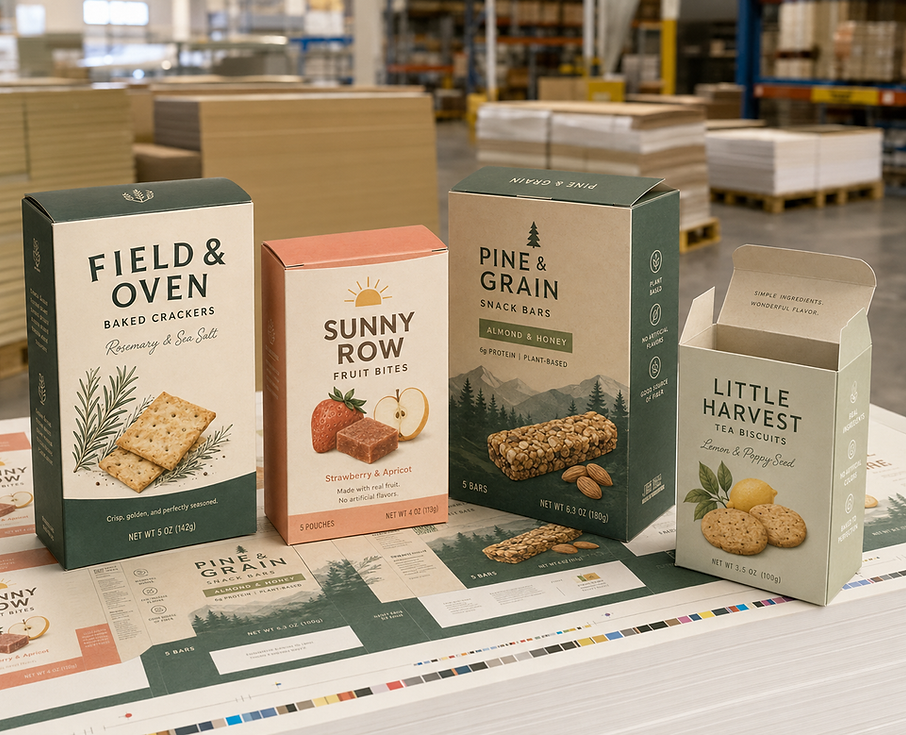
Thoughtful packaging design services can also help brands select the right carton structure, artwork, materials, dimensions, and finishing techniques. A well-designed package should not only look attractive but also support product protection and convenient handling.
Key Benefits for Modern Brands
One of the biggest advantages of folding cartons is versatility. They can be produced in many shapes and sizes, making them suitable for a wide variety of products.
They are also relatively lightweight, which can help businesses manage shipping and storage more efficiently. Because folding cartons are typically delivered flat, they can occupy less warehouse space before assembly.
Another important benefit is branding. The broad printable surface provides valuable real estate for communicating a product's story. Brands can use packaging to highlight features, ingredients, usage instructions, certifications, and other information customers need.
Folding cartons can also support sustainability goals when responsibly sourced paperboard and suitable inks and coatings are selected. Many paperboard packaging options can be recycled through appropriate recycling systems, helping brands consider packaging choices as part of a broader environmental strategy.
Choosing the Right Folding Carton
When selecting a folding carton, businesses should consider the product's size, weight, shape, protection requirements, storage conditions, and retail environment. The opening experience should also be considered because convenient and intuitive packaging can improve customer satisfaction.
Design should work together with functionality. A visually impressive carton that is difficult to open or fails to protect the product may not deliver the desired results. Working with experienced packaging professionals can help businesses balance aesthetics, usability, durability, and production requirements.
Conclusion
Folding carton packaging offers modern brands a flexible combination of protection, presentation, convenience, and branding potential. From simple tuck-end cartons to premium finishes and window designs, businesses can create packaging that fits their products and appeals to their target customers.
For companies looking to develop distinctive, functional, and professional packaging, Parker Printing & Packaging can help bring packaging concepts to life with thoughtful design and printing solutions tailored to brand requirements.
FAQs
1. What products commonly use folding carton packaging?
Folding cartons are commonly used for cosmetics, food products, pharmaceuticals, electronics, household items, and many other retail products.
2. Can folding cartons be customized?
Yes. Businesses can customize carton size, structure, artwork, colors, finishes, materials, and opening styles to suit their products and branding.
3. Is folding carton packaging environmentally friendly?
Paperboard folding cartons can be a more sustainable packaging option when responsibly sourced materials are used and the finished package is recyclable within available local recycling systems.