
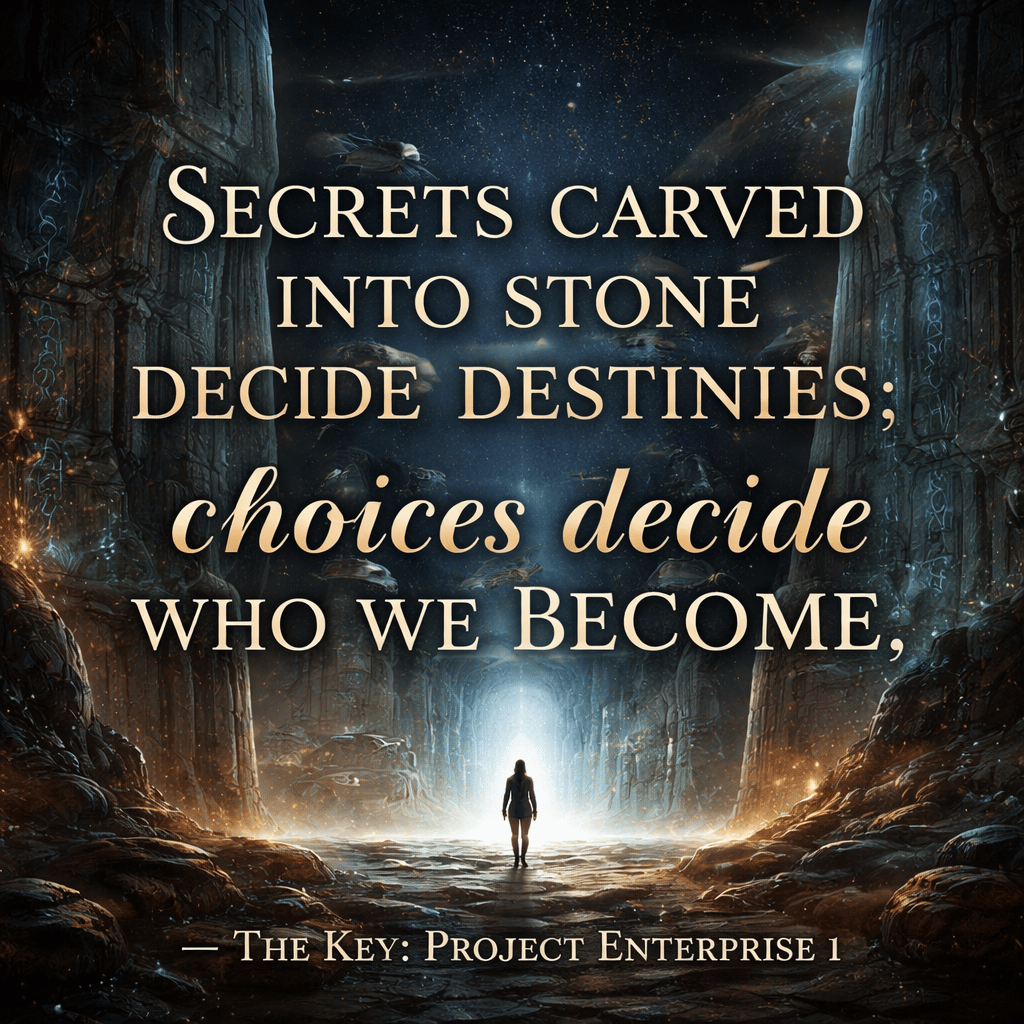
Creating the world of The Key required balancing cinematic action with believable cultures and emotional stakes. Here’s a look behind the curtain.
* * *
Building the world of The Key started with a simple question: what would a lost civilization leave behind that could change the course of current conflicts? That idea grew into a landscape of ruins, forbidden knowledge, and political factions all jockeying for advantage. The goal was to make the stakes tangible—how a secret could tilt the balance of power and, more importantly, how people caught in that fight would respond.
Research for the book focused less on hard science and more on human response to prolonged conflict and displacement. Understanding resistance movements, the psychology of occupation, and the ways communities preserve memory under pressure informed the Ojemba and their choices. That grounding helped make Kiernan and his people feel real, with motives rooted in survival and communal honor rather than caricatured villainy.
On the technology side, keeping the gadgets and systems plausible without bogging down the story was a deliberate choice. Project Enterprise operates with elite protocols and advanced tech, but those tools exist to serve character-driven scenes. When Sara uses her training, it’s a reflection of who she is, not a plot convenience.
Crafting Sara’s arc required balancing competence with vulnerability. Readers needed to believe she could survive intense situations while still having room to grow. Her baffling abilities and the mystery of her mother’s past provide threads that pull the plot into more personal territory, creating emotional stakes that sit alongside the political ones.
Dialogue and small moments were the places where the heart of the book lived. Action sequences headline the drama, but the quieter exchanges reveal motive and nuance. Those scenes help readers understand why characters risk everything—family ties, loyalty to a cause, or a hope for something better.
Finally, it’s been gratifying to see The Key recognized with awards and to connect with readers who love speculative romance with real moral complexity. The Independent Book Bronze Medal and Dream Realm Awards win reaffirmed the intent to blend adventure, character, and question-driven plotting. Every line aimed to make readers care about a lost city, but more importantly, to care about the people who might find it.
Worldbuilding can dazzle, but the best elements are those that support human stories. For The Key, that meant creating a dangerous, vivid setting while keeping the narrative focus on identity, responsibility, and the choices that define us.