
Cognitive dissonance is the mental discomfort experienced when holding conflicting beliefs, values, or behaviours. It often leads individuals to reduce this discomfort by changing their attitudes, behaviours, or beliefs, or by adding new thoughts that justify the inconsistency.
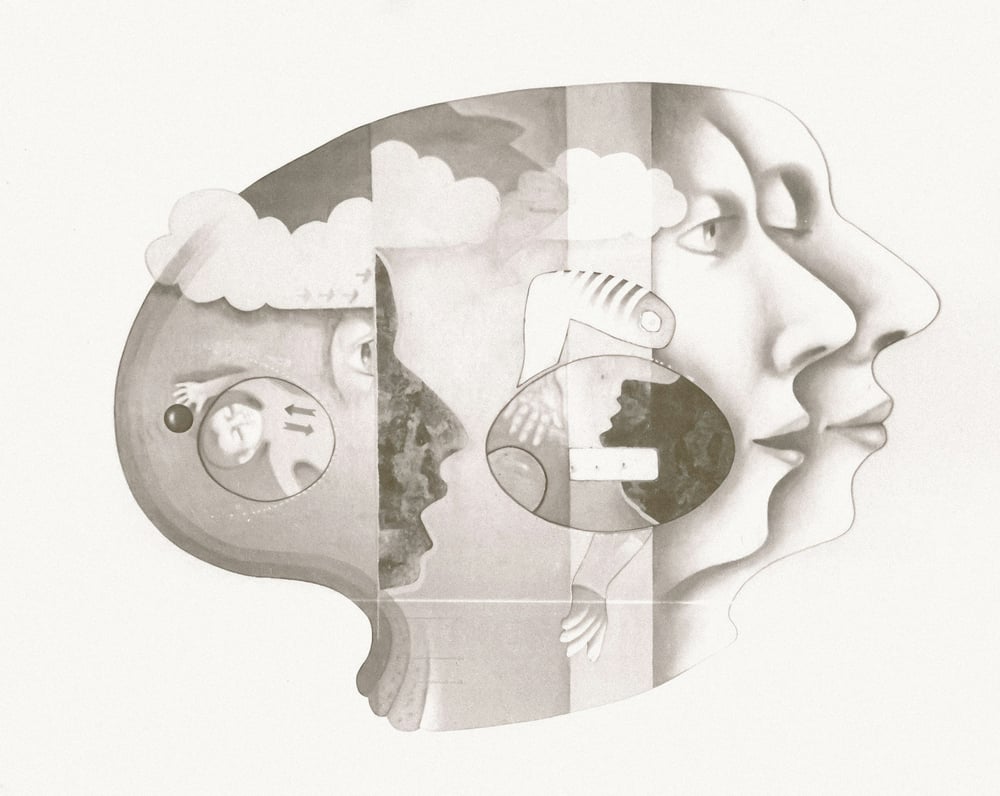
I'd like to share what I believe is one of the best critical thinking questions ever. It's based around the fact that very few people actually change their beliefs even when confronted by evidence. They may enter a phase of 'cognitive dissonance' where they feel uncomfortable and have the potential to change but, in most cases they add new thoughts to justify the inconsistency. (People are very good at self-deception.)
Anyway, here's the question:
How would you need to change your life/behaviour if something you fundamentally believe was proved to be incorrect?
I think this is a great discussion question because it opens people up, at least hypothetically, to discussing the concept that they may be fundamentally wrong and discussing the consequences. This is one of the key abilities of critical thinkers and one that we should all practice regularly.
You could use this with students to discuss a wide range of topics from the very light e.g.
What would you do if you discovered:
- Ice-cream is the healthiest food and could make you live longer?
- Trees have consciousness and can communicate with us?
- The Pyramids were built by aliens from another planet?
- Cats rule the world and can influence our future success and happiness?
Or something a bit heavier like:
- What if evolution was proven to be wrong?
- What if climate change really is a hoax?
- What if the world really is flat?
- What if you believe in the wrong god?
- What if there is no afterlife?
I hope you can use this question for yourself and encourage your students to use it. The more often we question our fundamental beliefs and assumptions, the more likely it is that we'll be able to empathise with others and the less likely we are to live in a world of self-deception.
We need to teacher ourselves and our students to welcome cognitive dissonance.
If you would like to do more to develop your own and your learners ' Critical Thinking, check out my book: Developing Critical Thinking Skills With AI.
Comments ()