
Once you have mastered the basic wire loops and frames of French beading, a world of advanced artistry opens up. Moving beyond simple petals, you can begin to explore complex techniques that add depth, dimension, and incredible realism to your work. Advanced French beading is less about basic construction and more about artistic sculpting and meticulous assembly. By integrating color transitions, utilizing specialized shaping methods, and mastering the art of structural lacing, your beaded flowers will transform from simple crafts into breathtaking botanical replicas that look as though they were plucked straight from a garden.
Advanced Petal Shaping and Color Shading
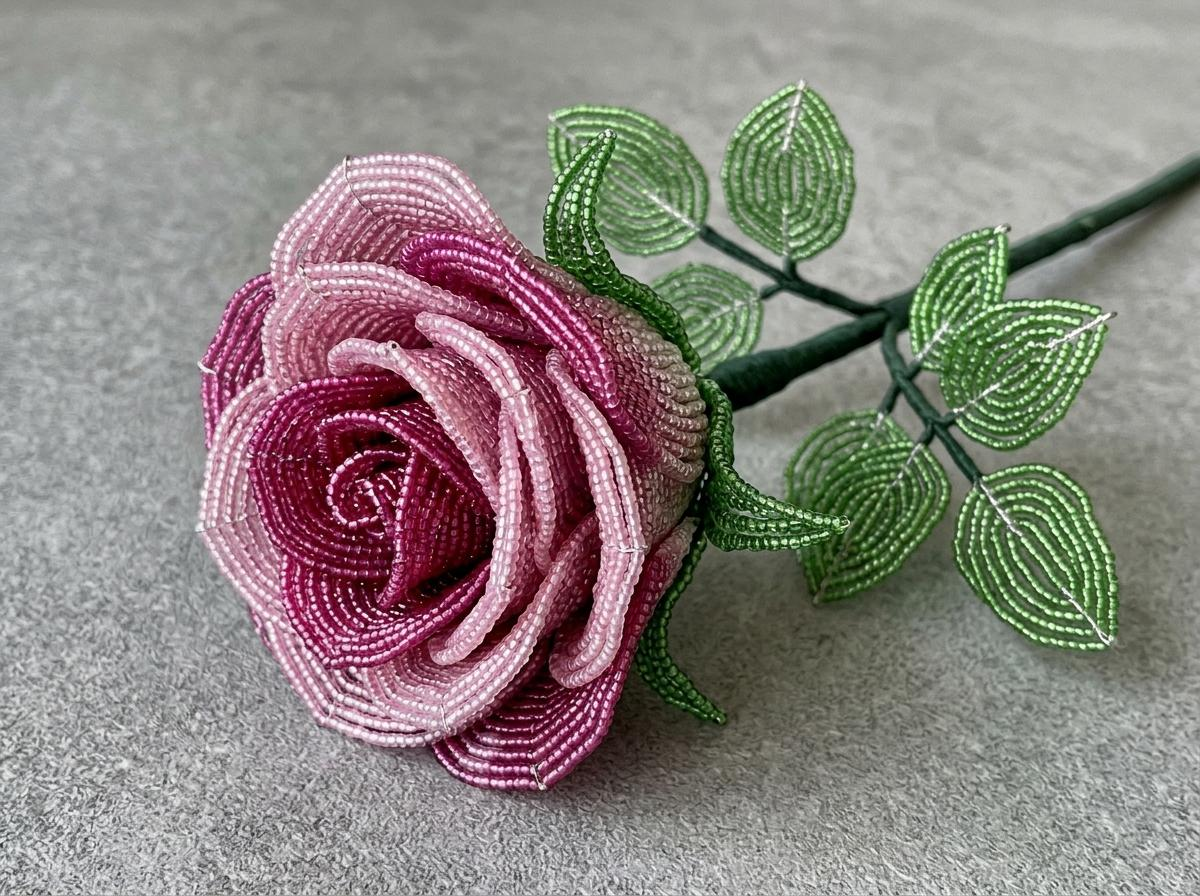
The most striking beaded flowers are those that mimic the natural variations found in real petals. Advanced beading techniques allow you to achieve this through outlining and shading. Outlining is the process of adding a contrasting color of beads along the final margin of a petal or leaf, which defines the shape and draws the eye. Shading goes a step further by incorporating multiple hues within the petal itself. This can be done by splattering different bead colors randomly or by creating precise, color-coded transitions from a light center to a dark tip. Beyond color, physically sculpting the wire is an essential advanced skill. Because the petals are built on bendable wire frames, you can use your fingers or the rounded handle of a tool to gently cup the petals, curl the edges, and create soft arcs. This three-dimensional shaping is what breathes life into the beads, ensuring your flowers do not look flat or artificial. By carefully manipulating the wire beneath the beads, you can create the illusion of soft, organic curves and delicate, ruffled edges.
The Art of Lacing and Professional Assembly
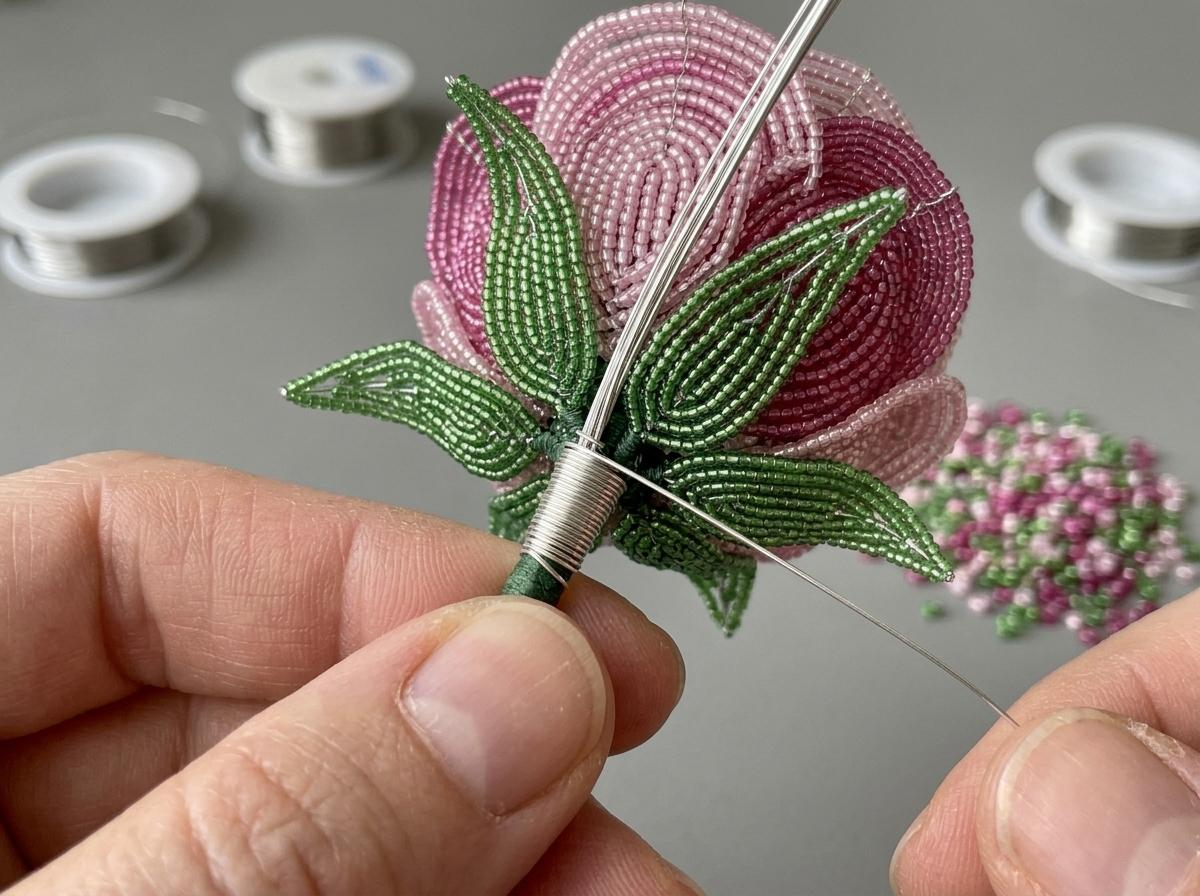
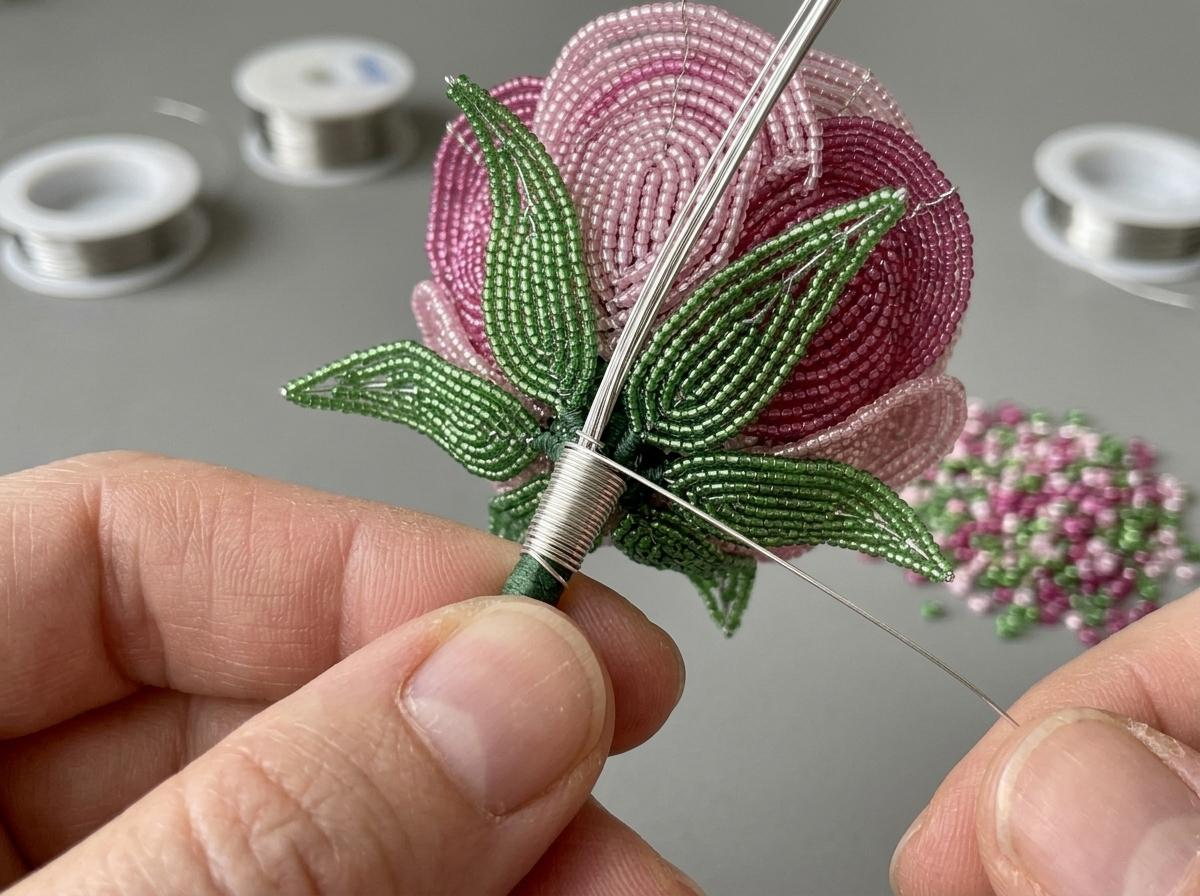
Even the most beautifully constructed petals will fail to impress if the final assembly is bulky or unstable. Advanced beading relies heavily on the lacing technique to maintain the structural integrity of the flower. Lacing involves using a very fine wire, typically 30 to 34 gauge, to weave between the rows of beads on a completed petal. This holds the rows tightly in place, preventing them from shifting, and reinforces the entire unit. There are several lacing patterns, such as the plain weave or the ribbed weave, each offering a different level of support. Once the units are laced and secure, the assembly process begins. This involves joining the petals, sepals, and stamens together using a heavier assembly wire. The key to a professional finish is creating a smooth, tapered receptacle at the base of the flower. This requires wrapping the assembly wire tightly and distributing the unit support wires evenly. Finally, the stem is wrapped with floral tape, sometimes overlaid with embroidery floss or beads, to perfectly mimic the natural texture of a plant's stalk and hide any exposed construction wires.
In conclusion, taking your French beading to the advanced level is a rewarding journey that requires careful attention to detail and a willingness to experiment. By incorporating intricate color shading, taking the time to physically sculpt your wire petals, and mastering the delicate art of lacing and assembly, you can elevate your craft significantly. These advanced techniques are what separate a simple craft project from a true piece of heirloom art. Explore the advanced pattern section of Zoe L. Schneider's guide today to challenge your skills and bring your most lifelike floral visions to life.