
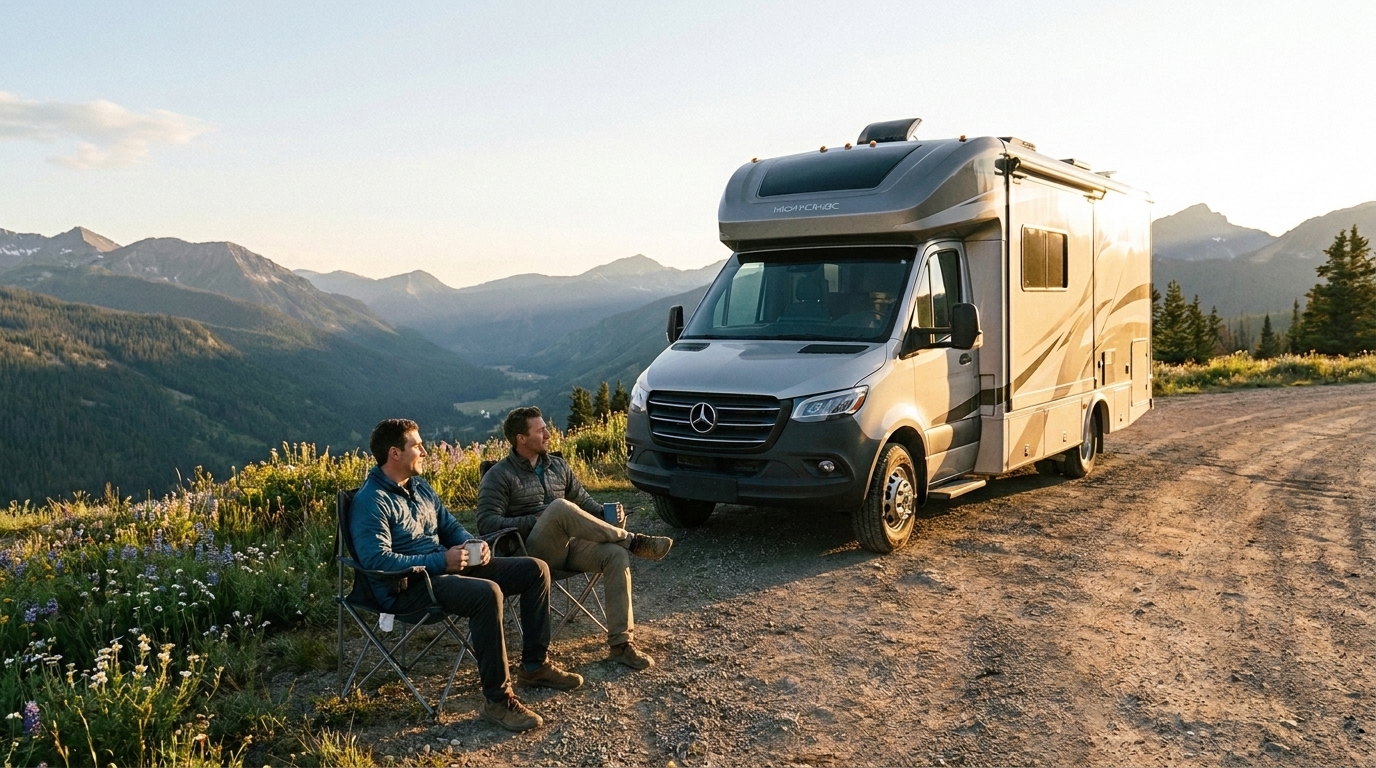
The dream of full-time RV living has evolved from a niche retirement plan into a vibrant, highly accessible lifestyle for digital nomads, young families, and adventure seekers alike. Trading a traditional stationary home for a motorhome or travel trailer offers an unparalleled sense of freedom, allowing you to wake up to mountain vistas, coastal sunrises, and desert sunsets without the burden of a hefty mortgage. However, transitioning into the RV lifestyle requires careful planning, a solid understanding of your personal needs, and a willingness to embrace a minimalist mindset. Many aspiring road dwellers are drawn to this nomadic existence because it drastically reduces monthly overhead costs while maximizing life experiences. Instead of pouring money into property taxes and utility bills, full-timers redirect those funds toward exploring national parks, experiencing diverse cultures, and building a community of like-minded travelers on the road. Yet, the reality of living in a recreational vehicle goes far beyond the romanticized Instagram photos; it demands a practical approach to space management, resource conservation, and continuous mobility. Choosing to embrace full-time RV living means redefining what "home" means to you. It is about prioritizing experiences over possessions and finding joy in the journey rather than just the destination. Whether you are looking to escape the corporate grind, downsize your life, or simply travel across North America on a budget, the open road offers a unique canvas for reinventing your daily routine. As you embark on this exciting transition, understanding the foundational elements of the RV lifestyle will set the stage for a successful, stress-free adventure. By preparing mentally and financially for the realities of life on wheels, you can ensure that your transition from a traditional homeowner to a full-time RVer is as smooth and rewarding as possible. With the right mindset and preparation, your full-time RV living journey will be nothing short of extraordinary.
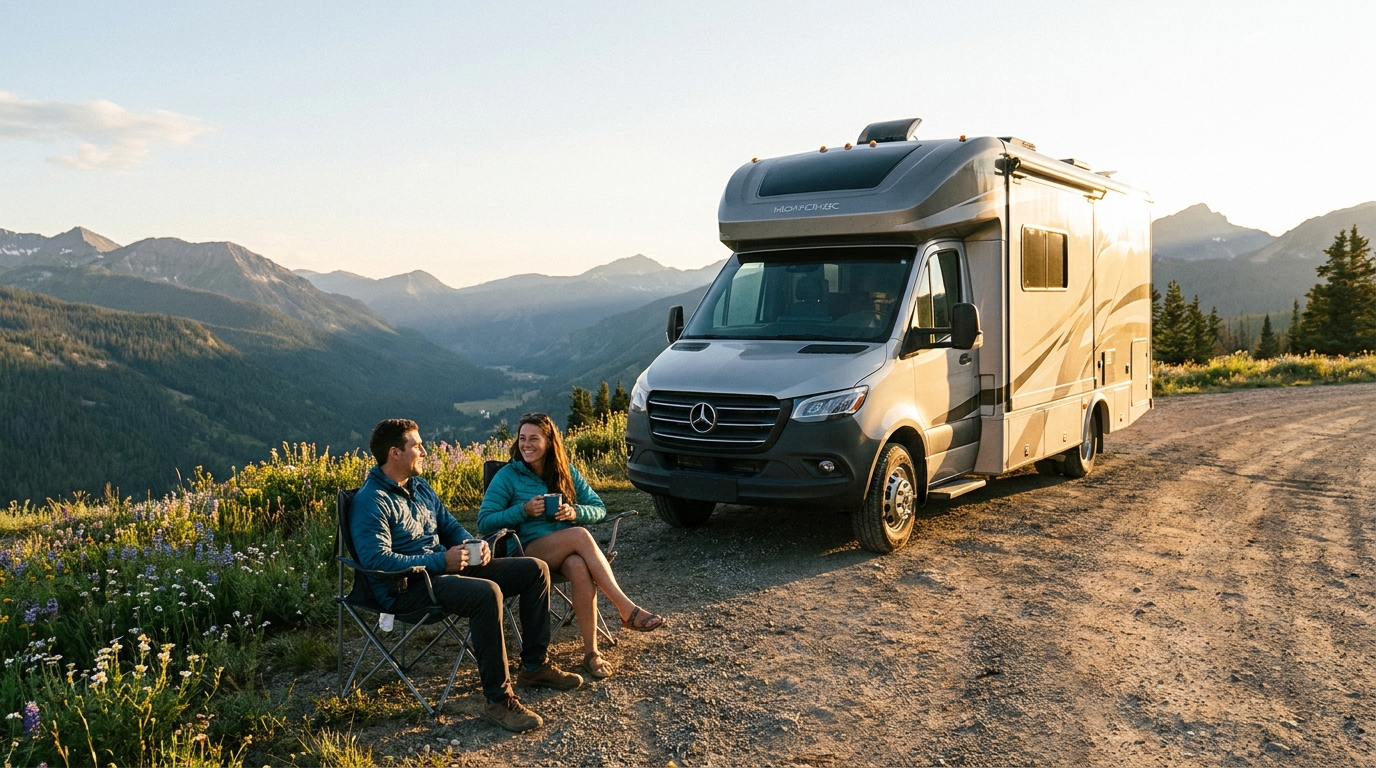
Selecting the right recreational vehicle is arguably the most critical decision you will make when embarking on your full-time RV living journey, as your rig will serve as your bedroom, kitchen, office, and personal sanctuary. The current market offers a dizzying array of options, ranging from luxurious Class A motorhomes and versatile Class C campers to highly towable travel trailers and incredibly spacious fifth wheels. Each category comes with distinct advantages and trade-offs regarding driving ease, living space, maintenance costs, and towing requirements. For beginners, it is essential to evaluate your towing capacity, desired floor plan, and long-term travel goals before committing to a purchase. Many new full-timers make the mistake of buying a massive motorhome only to realize it is too intimidating to drive or too expensive to maintain, while others opt for a lightweight travel trailer but struggle with limited interior space during extended rainy seasons. Beyond the initial purchase price, creating a comprehensive budget is vital for sustaining your life on the road. Monthly expenses for full-time RV living typically include campground fees, fuel, maintenance, insurance, and internet connectivity, which can fluctuate wildly depending on your travel pace and camping style. Embracing boondocking—also known as dry camping on public lands—can significantly slash your nightly accommodation costs, allowing you to stretch your travel budget much further. Additionally, leveraging RV membership programs like Passport America or Harvest Hosts can provide substantial discounts and unique overnighting opportunities. When calculating your financial readiness, do not forget to factor in unexpected repair costs, as maintaining a mobile home requires a dedicated emergency fund. By carefully balancing your desire for comfort with the practical realities of your budget, you can select an RV that perfectly aligns with your financial boundaries and lifestyle expectations, ensuring that your nomadic dreams remain financially viable and deeply rewarding for years to come.
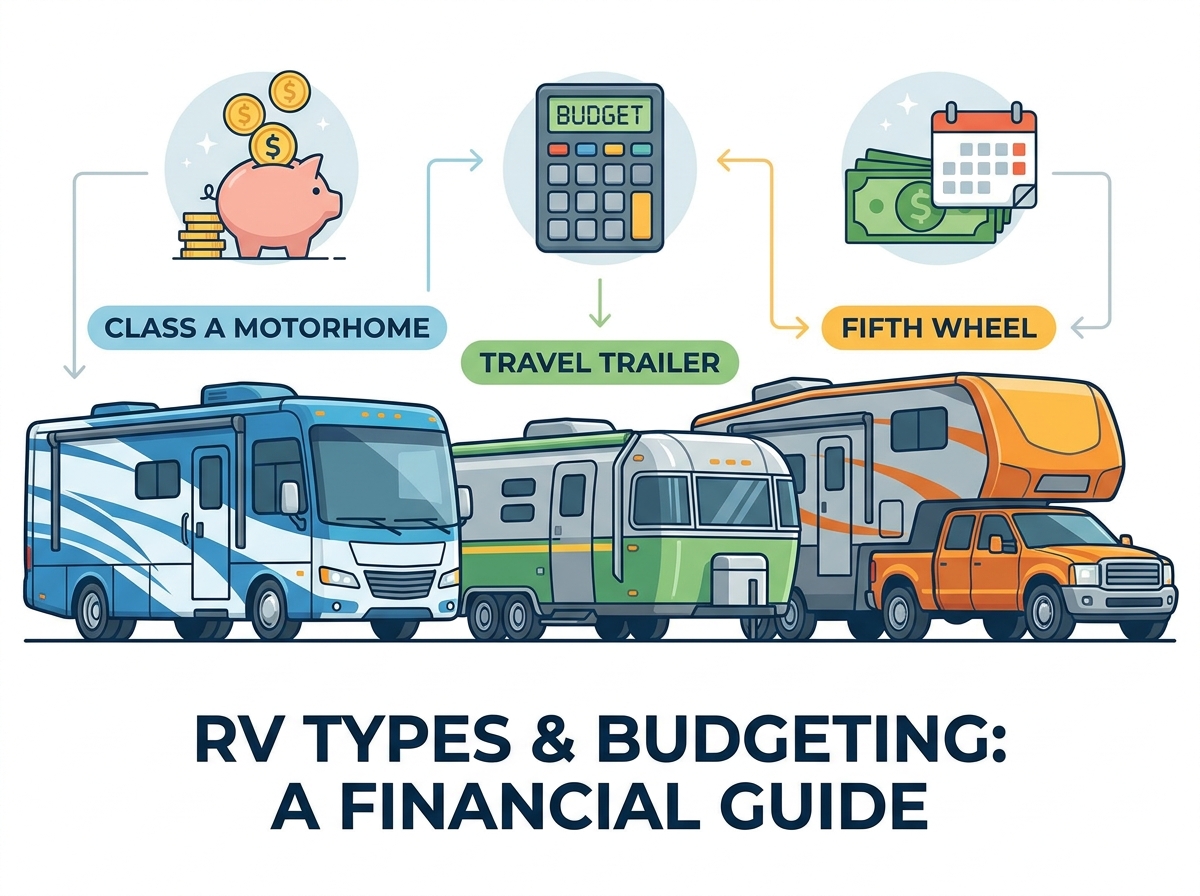
Successfully navigating the day-to-day realities of full-time RV living requires mastering a few essential logistical skills, particularly when it comes to securing reliable high-speed internet and building a supportive community on the road. For remote workers and digital nomads, a dependable internet connection is non-negotiable, making investments in cellular data boosters, multiple carrier plans, and satellite internet systems crucial for maintaining daily productivity from absolutely anywhere. Furthermore, managing your RV’s vital systems—such as monitoring freshwater tank levels, properly dumping black and gray waste, and winterizing your plumbing—becomes a regular part of your routine rather than a stressful monthly chore. While these technical aspects might seem daunting at first, they quickly become second nature, allowing you to focus on the much more rewarding aspects of the RV lifestyle. Building connections with fellow travelers is another cornerstone of a fulfilling life on the road, as the RV community is renowned for its warmth, generosity, and shared passion for outdoor exploration. Engaging in local RV rallies, joining online forums, and simply striking up conversations at campgrounds can lead to lifelong friendships and invaluable travel tips. Embrace the learning curve, and soon you will be navigating the highways with absolute confidence. As you prepare to take the ultimate leap into this transformative lifestyle, having the right resources at your fingertips can make all the difference between a stressful transition and a truly seamless adventure. Download our exclusive Beginner’s Guide to Full-Time RV Living today, and take the first confident step toward turning your nomadic dreams into your everyday reality.