
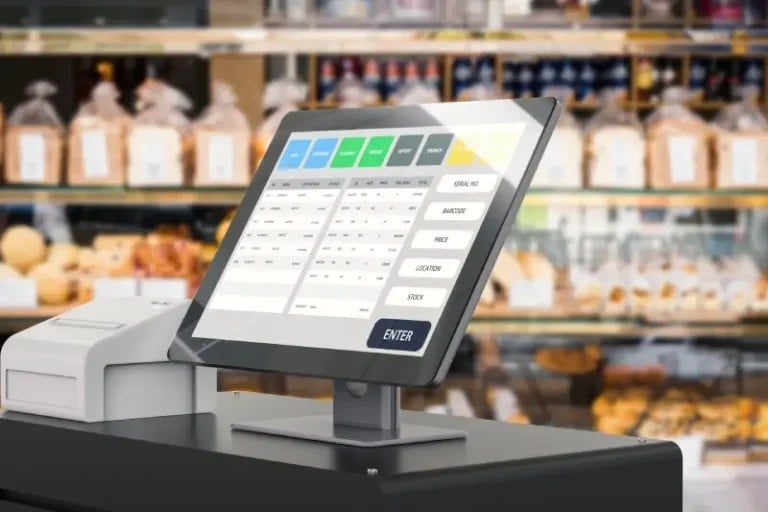
The modern Canadian dining experience requires fast, reliable technology. From the first order you take to the final inventory count at night, your systems must work perfectly. A faulty machine causes delays, unhappy customers, and lost profit. Finding a reliable POS system restaurant Canada owners can trust is the most important step in building a profitable business. You face unique hurdles in this country, such as complex provincial tax rules and strict labor laws. This guide breaks down the essential features, regulatory requirements, and top vendors in the market to help you make the right choice for your establishment.
Understanding Modern POS System Restaurant Canada Standards
Operating a business in Canada means navigating a web of regional regulations. Your technology must account for these rules automatically to keep you out of trouble with regulators.
Essential Compliance Features (Taxes and Reporting)
Canadian tax laws vary by province. You might deal with GST, HST, or PST depending on your location. A solid system automatically calculates the correct tax rate based on the item sold and the province of operation. For example, a restaurant in Ontario tracks HST, while a business in British Columbia manages both GST and PST. Your POS must handle these splits without manual entry. Automated tax reporting is necessary for CRA submissions. You should be able to generate reports that show tax totals by period with one click. This keeps your books clean and saves your accountant hours of work during tax season.
Hardware Compatibility and Durability
Commercial kitchens are harsh environments. Your hardware must withstand heat, spills, and constant use. Avoid cheap tablets meant for home use. Look for industry-grade touchscreens, printers, and cash drawers that carry a commercial warranty. Printers should be fast to keep up with kitchen ticket volume. Touchscreens need to be spill-resistant and responsive even with grease on them. If your hardware fails, your service stops. Investing in gear built for the food industry ensures your staff can keep working during the busiest rushes.
Integrated Payment Processing and PCI Compliance
Your customers expect to pay with credit, debit, and mobile wallets. A modern system must integrate directly with Canadian payment processors like Moneris or Chase. This integration prevents errors caused by typing amounts into a separate terminal. Direct integration also speeds up the checkout process. Ensure your system meets Canadian PCI data security standards. Protecting customer credit card data is a legal requirement. Choose a provider that encrypts data at the point of sale so your customers remain protected from data theft.
How a POS System in Restaurants in Canada Helps Efficiency
Efficiency drives your margins. If you can save thirty seconds on every table turn, you increase your daily capacity.
Advanced Table Management and Reservation Integration
Your floor plan should be visible on your screens. Digital floor plans help staff track which tables are active, which are waiting for food, and which need a check. Handheld devices allow servers to send orders directly to the kitchen from the table. This cuts out trips back and forth to a central terminal. If you use reservation tools like OpenTable or Resy, make sure your POS connects to them. This syncs your guest count with your kitchen capacity to prevent overcrowding.
Comprehensive Inventory and Recipe Management
Food waste is a major cost factor for Canadian restaurants. Tracking ingredients in real-time stops over-ordering. A good system monitors stock levels as items are sold. When a burger is ordered, the system deducts the bun, meat, and toppings from your inventory count. This allows you to set up alerts when stock runs low. Use the recipe costing feature to see the actual cost of a dish versus your menu price. If your variance reports show high waste, you can change your ordering habits or reduce portion sizes.
Staff Management and Time Tracking
Managing labor costs is vital. A system that tracks clock-ins and clock-outs helps you keep accurate records. Look for tools that integrate with Canadian payroll software. These systems should account for provincial labor laws regarding breaks and overtime. You can build schedules directly in the POS software. When staff members arrive, they clock in on the same terminal they use to process orders. This creates a single source of truth for your payroll reports and helps you avoid costly labor law violations.
Cloud-Based vs. Traditional (On-Premise) POS Systems
The industry has moved toward cloud-based solutions, but you should understand your options. Cloud systems host your data on secure servers, while traditional systems keep data on a server in your restaurant.
Benefits and Drawbacks of Cloud POS (SaaS Model)
Cloud-based systems offer automatic software updates. You get new features and security patches without paying a technician to visit your site. This model usually involves a monthly subscription fee. The upfront cost is lower because you pay for software over time rather than buying a large license. If you own multiple locations, you can check your sales reports from your phone or laptop anywhere in the world. However, cloud systems require a stable internet connection to function at full capacity.
Security and Data Redundancy in a Canadian Context
Data sovereignty is important for Canadian businesses. Check where your provider stores your data. Ideally, it should reside on servers located within Canada. If your internet goes down, your system must have an offline mode. This allows you to continue taking orders and processing transactions locally. Once your internet returns, the system syncs the data to the cloud. This redundancy ensures your restaurant stays open even during a network outage.
Scalability for Growing Hospitality Groups
Your first location might be a small cafe, but you might plan to open a second. A scalable POS grows with you. Look for tiered pricing plans. You do not want to pay for expensive features you do not need at the start. However, you need a system that supports adding new locations under a single dashboard. This gives you a view of your entire business performance across different provincial markets.
Factors for Your POS System Restaurant Canada Vendor
Choosing a vendor is as important as choosing the software itself. You need a partner that understands the realities of running a business in Canada.
Localized Customer Support and Training Availability
Technology issues happen at the worst times. You need 24/7 support available in your time zone. If you operate in Quebec or bilingual regions, ask if the support team speaks French. You want a vendor that can guide your staff through troubleshooting without language barriers. Access to online training portals and video tutorials is also helpful for onboarding new employees quickly.
Total Cost of Ownership (TCO) Breakdown
Look beyond the monthly subscription fee. Ask about hardware costs, setup fees, and training charges. Some vendors offer lower software fees but charge higher rates for payment processing. Other providers might bundle everything into one flat fee. Request a full breakdown of all costs to see the real price over a one-year or three-year period. Watch for hidden costs like additional fees for menu changes, printer paper rolls, or software integrations.
Third-Party App Compatibility
Your POS should talk to your other business tools. Connect your sales data to accounting software like QuickBooks Canada to save time on bookkeeping. If you use third-party delivery services like Uber Eats or DoorDash, ensure the POS integrates with these platforms. This puts all incoming delivery orders directly onto your kitchen display screen. It prevents your kitchen staff from having to manage multiple tablets. Loyalty program integration is another key feature to encourage repeat business from local customers.
Final Decision for Growth
Prioritizing tax and labor compliance is the first step when evaluating a system. These factors are non-negotiable for Canadian operators. Next, ensure the features match your service model. A fast-casual restaurant needs speed, while a fine dining establishment needs robust table management. The right POS system restaurant Canada owners invest in should maximize uptime and profitability. Think of this as a central tool for managing your entire business. A great system pays for itself by reducing waste, improving staff accuracy, and giving you clean data to make better business decisions. Choose a provider that offers the support and tools your specific operation needs to thrive.