
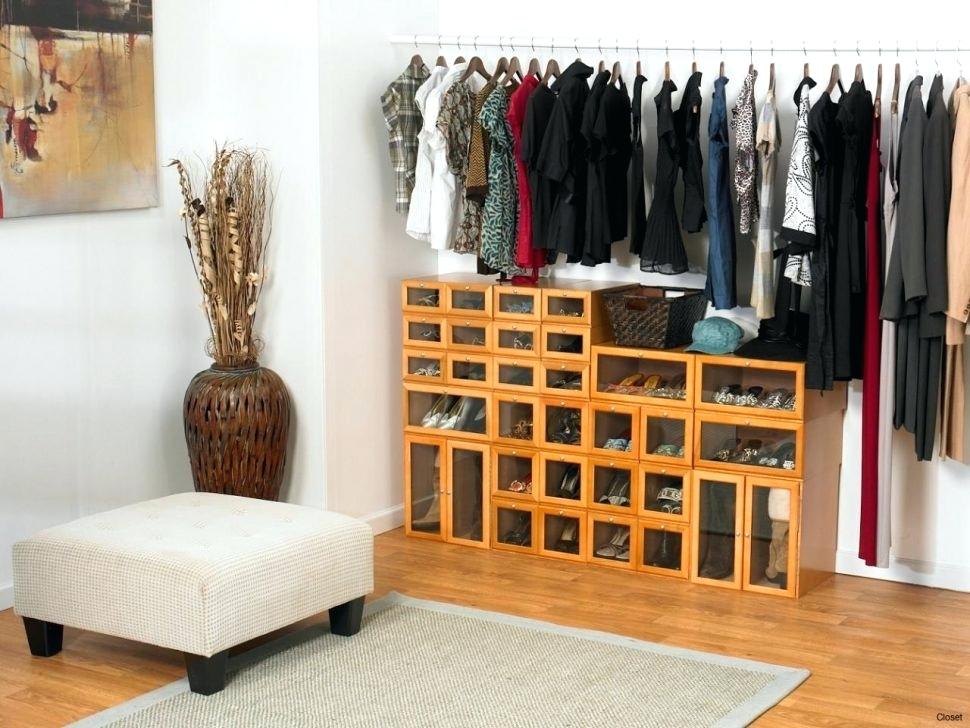
A small space has its limitations, and keeping the closet neat is just one of them. You may be living in an apartment city, in a small condo, or you may have a limited amount of storage at home, but the bottom line is that you need to make the most of every inch of available space. At Professional Organizing Plus, we are convinced that the tiniest of closets can be turned into an effective, tidy, and attractive storage facility by the correct approach. This paper discusses the concept of smart storage and professional closet organization tips on how to organize a closet that fits in small areas.
The Importance of Closet Organization in Small Spaces
In bigger houses, the empty parts of the closets are usually noticeable. In smaller dwelling places, however, each square foot matters. An untidy or unplanned closet can turn your living room into a messy and crowded place. You are not only making room in your closet by investing in it, but also you are eliminating stress in your day, because you can find all your things so easily, and they are beautifully merchandised and organized.
Small space professional closet organization is not only about the beauty of the room but also its efficiency, functionality, and tranquility.
Step One: Declutter Before You Organize
Any project to organize a closet cannot be a success without removing the unneeded things. Professional organizers have been known to emphasize the use of decluttering as the basis of an effective closet.
The first step is to empty your closet and categorize things into three piles which include keep, donate, and discard. You should ask yourself whether you have worn or used the item within the last year. When the answer is no, maybe it is time to go.
Making things simple and clean with decluttering means you are only organizing the things you actually need and love; this conserves space and makes the process all the more fulfilling.
Use Vertical Space to Your Advantage
Vertical storage is your friend when you are dealing with small closets. In most cases, the top sections of closets are unused or not very busy. According to professional organizers, adding more shelves, stackable bins, or hanging organizers is advisable to maximize vertical storage.
Shelving, e.g, a tall one can form numerous layers of shoes or folded clothes or accessories. The over-the-door organizing also makes use of the available unused vertical space without having to leave items too far away.
Diversify Storage Solutions.
The key to organizing a closet is to purchase items that can be used in more than one way. Small areas are best marked by features that can include storage ottomans, sliding-under-hanging-clothes bins, or drawer dividers that distinguish various item types.
Hanging shelves, dangle hangers, and stretchable rods are common organizational aids that professional organizers apply to instantly increase the capacity of a closet by two or three times without any significant renovations needed. Using such solutions, only one closet is sufficient to take clothes, accessories, shoes, and seasonal goods.
Utilize All the Nooks and Corners.
Small closets usually have quaint angles or corners that appear not to be used at all. But these spaces can offer good storage with creativity and professional planning.
Alternatively, empty corners can be converted into useful storage units either through corner shelves, rotating shoe shelves, or slender pull-out drawers. Professional custom closet solutions can also transform odd spaces into extremely useful spaces so that not an inch of this space goes to waste.
Sort and Tag to Find Easily.
An organized closet is one in which you do not have to dig to locate anything. This is why it is important to organize the items and mark storage containers. Professional organizers suggest that similar things need to be placed in the same place, i.e., work clothes, casual clothes, shoes, and accessories, and have certain areas allocated to each group.
Labeled bins or baskets make more sense as they not only keep things in order but also save you a lot of time in your daily routine. This way, you can be sure where you will always find what you want.
Closets are kept streamlined by seasonal rotation.
In small areas, we can not usually store all the goods that can be used at any time of the year. Professional closet organization usually involves seasonal rotation, in which off-season clothes and accessories are kept in different places.
A large winter collection can be stored in vacuum-sealed storage bags, or in clear plastic bins in the summer months, and lightweight clothes can be stored out of the way when it is cold. This way, your wardrobe is not cluttered, and you are certain to have something you want at any given moment.
Design A System That Fits Your Way of Life.
Employing a generic organization system, which does not match their day-to-day life, is one of the largest errors people make. Professional organizers customize the closet systems according to lifestyle, wardrobe choices, and habits.
Similarly, when you have more accessories than you have clothes, then you will have more space where you can fit your jewelry, belts, or scarves. When you wear business clothes every day, then you should give concern to hanging space and being free. When you create a system that mirrors your needs, you will be able to stay more organized over time rather than reducing to a state of disorganization.
Conclusion
Small homes can have limited space in the closet, but with the correct planning, it can be very utilitarian and beautiful. The small closet you have will become the ideal well-organized wardrobe by cleaning up, utilizing the square feet, opting to use multi-purpose storage racks, and adopting a system that fits your living situation. With the help of a professional closet organization, this is made easy.
Professional Organizing Plus is a popular name in this industry. It is known for transforming your place into a clean and organized space. The company offers multiple services: refresh, concierge, moving, and reallocation. For more information, visit its official website.