Your Cart
Loading

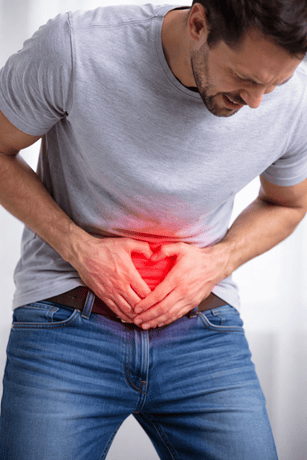
Do you have pelvic pain, prostatitis symptoms, or pain after ejaculation despite normal test results?


Only -1 left
Understand Your Pelvic Pain- the survey + interpretation Guide (Prostatitis, Pelvic Floor, Neurogenic Pain)
On Sale
$0.99
$0.99
Added to cart

Promotional price $0.99.

Go to the free survey here : or www.ucpps.men Make a free survey and get a next big bonus.
Only -1 left
The survey and detailed description for the Chronic Pelvic Pain Syndrome (CPPS)
On Sale
$9.99
$9.99
Added to cart

Normal price

Complete the survey and, based on your answers,

find out what type of pelvic pain you have.

Want to get better?

Read the detailed description of the survey and the pelvic pain issues.

Find out which treatment works best for your type of pain.


Why It’s Worth Getting the Full Survey Guide

This guide turns a simple questionnaire into a structured, mechanism-based diagnostic tool, helping you understand what is actually driving your pelvic pain rather than relying on guesswork. It allows you to identify patterns, triggers, and responses to treatments, so you can move away from random, ineffective therapies and focus on approaches that match your specific condition. Many patients are treated repeatedly as if the problem were bacterial, despite negative tests, which can delay proper understanding and management. When the underlying mechanisms are not recognized early, symptoms may persist and evolve into a chronic condition, making them more difficult to manage over time. By organizing your symptoms into clear clinical patterns, this guide helps you gain a more accurate and personalized understanding, which can support more informed discussions with healthcare professionals

This questionnaire is not just a list of questions—it comes with a comprehensive clinical interpretation guide that explains what each answer may mean and how different patterns of responses can point toward specific underlying mechanisms of chronic pelvic pain.

For patients, the guide helps turn confusing and often frustrating symptoms into a clear, structured understanding. Instead of guessing or trying random treatments, you gain insight into why your symptoms behave the way they do and which directions may be most relevant to explore with your doctor.

For healthcare professionals, it offers a modern, phenotype-based framework aligned with current multidisciplinary understanding of CPPS. It can support more targeted decision-making and improve communication with patients by linking symptoms to mechanisms rather than treating everything as a single entity.

For anyone interested in complex physiology, it provides a unique, integrative perspective on how the nervous system, immune system, muscles, hormones, and behavior interact in one of the most sensitive regions of the body.

In short, the full description transforms the questionnaire into a practical diagnostic-thinking tool—helping to move from uncertainty toward a more precise, individualized, and evidence-informed approach.

Chronic pelvic pain syndrome (CPPS) is a complex condition affecting men worldwide. Most cases are classified as non-bacterial prostatitis, where symptoms persist despite normal laboratory results. Common symptoms include pelvic pain after ejaculation, perineal discomfort, urinary issues, and pelvic floor dysfunction. Research suggests involvement of neurogenic, muscular, immune, and vascular mechanisms.

Here is a link Below is a link to the first nine pages of the survey description. This will allow you to evaluate this product, which contains 150 pages of cutting-edge medical knowledge.


The questionnaire is a tool designed to present a complex picture of chronic pelvic pain as a multisystem disorder. From the outset, it must be emphasized that CPPS is rarely infectious in origin, and far more often results from the interaction between muscular, neurological, immune, and autonomic systems. Therefore, the purpose of the questionnaire is to identify the dominant mechanisms that sustain symptoms in a given patient.

The next step involves describing the pain itself—its location and character. This is a fundamental element that allows an initial distinction between muscular pain (pressure, tension), neuropathic pain (burning, stabbing, electric sensations), and deep pelvic pain related to the prostate or seminal vesicles. While pain location often suggests a direction for interpretation, it is not definitive on its own.

Subsequently, urinary symptoms (LUTS) are analyzed. Their presence helps determine whether there is a component related to urinary outflow dysfunction or bladder hypersensitivity. Symptoms such as frequency, urgency, or incomplete emptying do not necessarily indicate primary bladder disease, but often result from pelvic floor muscle tension or neural overactivity.

A critically important section evaluates sexual and ejaculatory function, particularly the response to ejaculation. Information about pain during or after ejaculation, as well as whether symptoms worsen with frequent sexual activity or abstinence, helps differentiate between ejaculatory overload and congestion or impaired drainage of prostatic and seminal vesicle secretions. This section often provides key diagnostic insights that are not captured in traditional models.

One of the most important components of the questionnaire is the identification of symptom triggers and relieving factors. It is here that the underlying mechanism of the condition becomes most apparent. If pain worsens with sitting and improves with movement, this suggests a muscular or vascular component. If symptoms are stress-related, it points to autonomic nervous system involvement. If symptoms are triggered by specific foods or alcohol, this may indicate immune or histamine-mediated mechanisms. This section often has greater diagnostic value than symptoms alone.

Another layer of analysis concerns the nervous system. The presence of symptoms such as burning, hypersensitivity, or radiating pain suggests neurogenic inflammation and central sensitization. In this context, pain is no longer a simple response to tissue damage, but rather the result of amplified signaling within the nervous system.

In parallel, musculoskeletal and myofascial factors are assessed. Information about pelvic floor tension, response to physiotherapy, and the influence of body position helps determine whether chronic muscular hypertonicity is the primary driver of symptoms. In many patients, this represents a central component of the condition.

The analysis also includes psychophysiological factors. These are not considered the cause of the disease, but rather amplifiers of symptoms. Stress, sleep disturbances, and excessive focus on symptoms can sustain sympathetic nervous system activation, thereby increasing both muscle tension and neural sensitivity.

The role of the gastrointestinal system is also considered. Symptoms such as bloating or irregular bowel movements may influence the pelvis through shared innervation and mechanical interaction with the pelvic floor. The relationship between symptoms and diet provides important diagnostic clues.

A separate category involves immune and histamine reactivity. Reactions to certain foods, alcohol, or environmental triggers may indicate the involvement of mast cells and inflammatory mediators, which directly interact with nerves and intensify pain. This mechanism often overlaps with neurogenic processes.

The questionnaire also incorporates findings from imaging studies. These do not serve to confirm or exclude the condition, but rather provide structural context, such as prior inflammation, fibrosis, or impaired drainage. While relevant, these findings do not fully explain symptoms on their own.

One of the most clinically valuable elements is the evaluation of treatment history and response. The way a patient responds to medications, supplements, or physiotherapy often provides the most accurate insight into the underlying mechanism of the condition. Improvement with physiotherapy suggests a muscular component; response to neuromodulatory drugs suggests central sensitization; improvement with antihistamines points toward an immune/histamine-related mechanism.

Finally, all collected information is integrated into a coherent clinical profile. Rather than producing a single diagnosis, the process generates a map of interacting mechanisms, highlighting both dominant and secondary contributors. Only on this basis can a targeted, individualized treatment strategy be developed.


By purchasing, you contribute to the online maintenance and development of website www.ucpps.men and to raising awareness of pelvic pain in men