
A trench may look simple, but getting it right takes careful planning and the right approach. Compact trenching equipment helps complete jobs faster, but small mistakes can lead to uneven cuts, machine damage, or safety risks. Many operators focus only on speed, which often creates more problems than progress. Understanding what to avoid can make every trench cleaner, safer, and more efficient.
Ignoring Ground Conditions
One of the most common mistakes is not checking the soil before starting. Different surfaces like clay, sand, or rocky ground need different handling. Hard ground can put extra pressure on the machine, while soft soil may collapse easily. Without proper inspection, even a good setup can fail. Taking time to understand the terrain helps prevent delays and protects the equipment.
Using the Wrong Attachment
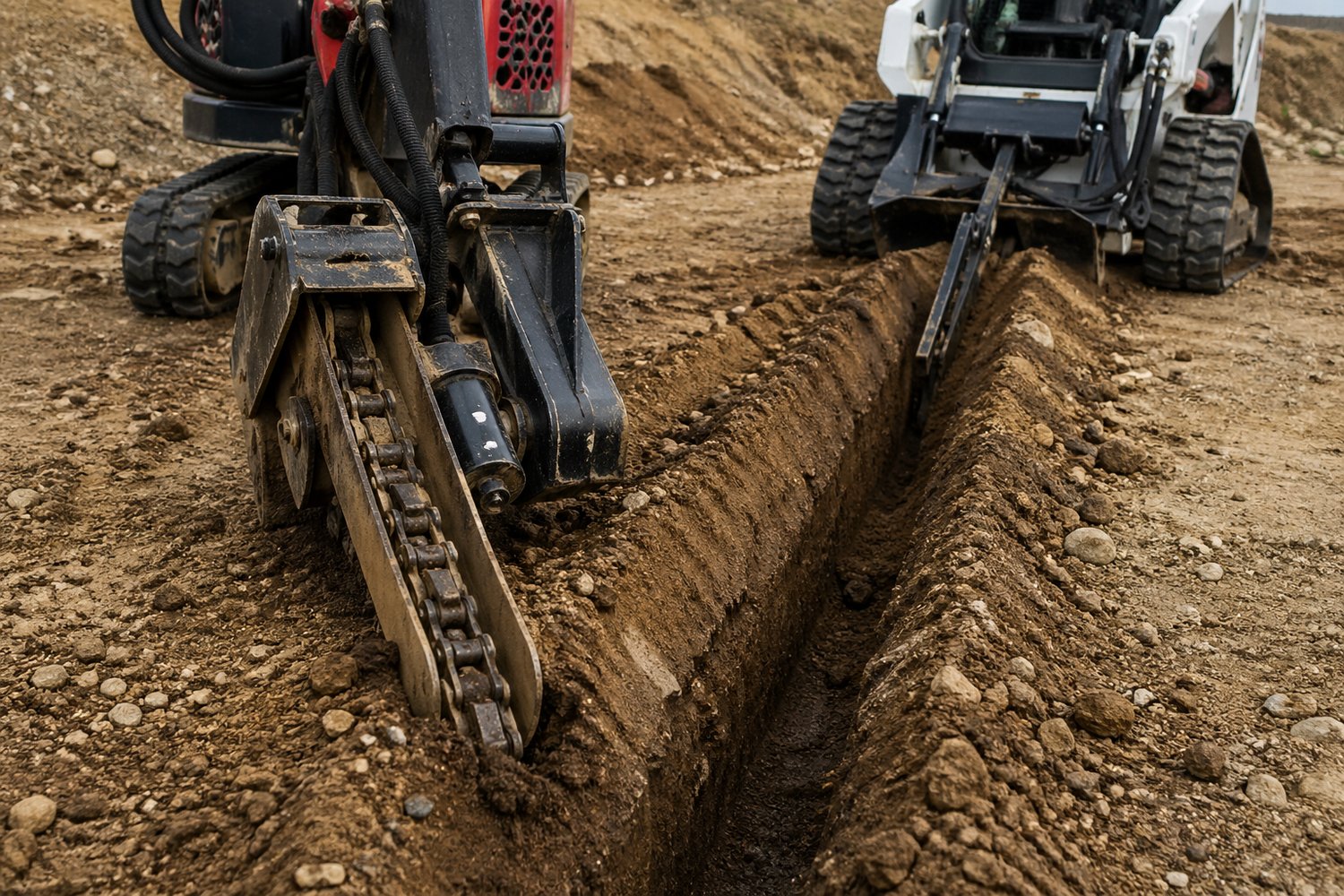
Choosing the right tool is just as important as operating it correctly. Many operators use a standard attachment for all types of jobs, which reduces efficiency. A mini excavator trencher is designed for precision and works best in controlled digging environments. Using the wrong attachment can lead to uneven trench depth and unnecessary wear on the machine. Matching the tool with the job improves both accuracy and performance.
Poor Depth Control
Maintaining the correct trench depth is essential for proper installation of pipes or cables. Some operators rush through the process and fail to monitor depth consistently. This can lead to rework, which wastes both time and resources. Keeping a steady pace and checking measurements regularly ensures the trench meets project requirements.
Skipping Regular Maintenance
Compact trenching equipment requires regular care to perform well. Ignoring basic maintenance like checking chain tension, inspecting teeth, or cleaning debris can reduce machine life. Over time, small issues can turn into costly repairs. Routine checks keep the equipment running smoothly and help avoid unexpected breakdowns on site.
Operating Too Fast
Speed may seem like a good way to finish work quickly, but it often causes more harm than good. Moving too fast can lead to rough trench edges and poor control of the machine. It also increases the risk of hitting underground utilities. Controlled and steady operation delivers better results and improves safety.
Lack of Proper Training
Many mistakes happen because operators are not fully trained. Compact trenchers may look easy to use, but they require skill and understanding. Without proper knowledge, handling the machine becomes risky. Training helps operators understand controls, safety measures, and best practices, leading to more efficient work.
Not Considering Equipment Availability
Another issue is choosing equipment without thinking about long-term use or availability. Some projects require reliable and flexible solutions. Exploring options like a mini skid steer trencher for sale can be a smart move for contractors who need consistent performance across multiple projects. Having the right equipment ready reduces downtime and improves workflow.
Ignoring Safety Precautions
Safety is often overlooked in small projects, but it should always be a priority. Not wearing protective gear or skipping safety checks can lead to serious accidents. Clear communication on site and proper safety measures protect both operators and equipment.
Conclusion
Avoiding these common mistakes can improve trench quality, save time, and reduce costs. Careful planning, proper equipment selection, and safe operation make a big difference in every project.
Quick Attach offers reliable trenching solutions designed for performance and durability. Explore the website today and choose equipment that helps complete every job with confidence.