
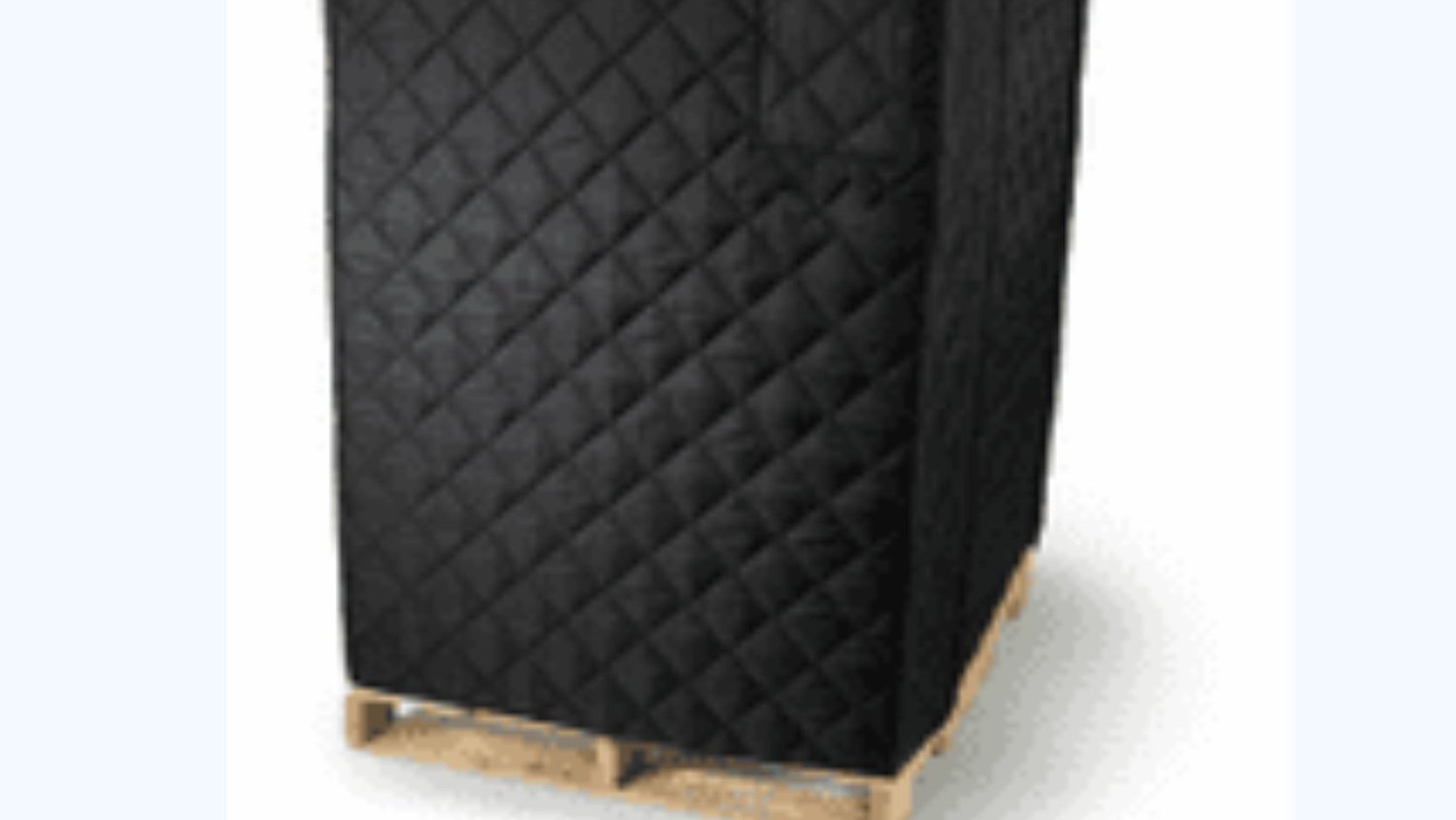
Shipping expenses continue to rise as fuel rates fluctuate, delivery routes expand, and temperature-sensitive freight demands stricter handling conditions. Many businesses now search for practical methods that reduce operational pressure without changing entire logistics systems. One simple adjustment often creates measurable impact: the use of an Insulated Pallet Cover.
Temperature stability during transportation directly affects refrigeration cycles, energy consumption, and product integrity. When cold air escapes or heat enters cargo space, cooling systems work harder and burn more fuel. That repeated strain increases transport costs over time. A properly designed thermal barrier helps maintain internal conditions longer, allowing transport equipment to operate with greater efficiency while supporting sustainable distribution practices.
Thermal Protection Reduces Refrigeration Load
Transport refrigeration systems consume large amounts of energy during long-distance movement. Every time temperature fluctuates inside cargo space, the refrigeration unit compensates by running longer cycles. This repeated activity contributes directly to higher diesel or electric fuel usage.
A high-quality insulated pallet cover acts as a protective thermal shield around temperature-sensitive goods. Instead of allowing rapid heat transfer, the cover slows external temperature intrusion. The refrigeration system therefore maintains target conditions with reduced effort.
This process becomes especially useful during loading delays, warehouse staging, and stop-and-go deliveries. Even short exposure periods often create internal temperature swings that increase fuel demand throughout the route.
Because less energy is required to maintain stable cargo temperatures, transport fleets commonly experience lower refrigeration runtime and improved fuel efficiency over extended operations.
Better Temperature Retention During Transit
Frequent door openings create major temperature losses during transportation. Warm external air enters quickly, while conditioned air escapes before systems can stabilize. Repeated exposure forces cooling units to restart aggressively.
Thermal packaging solutions such as Reusable Cart Covers help maintain cold-chain continuity between distribution points. These coverings reduce direct environmental exposure and preserve thermal consistency during temporary unloading periods.
Improved retention reduces the amount of corrective cooling required later in the journey. That reduction often translates into lower fuel consumption because refrigeration systems spend less time operating at peak intensity.
Stable temperatures also reduce product spoilage risks. When fewer goods are damaged during transit, replacement shipments decrease, indirectly reducing additional fuel usage associated with emergency deliveries or repeated transportation cycles.
Lower Energy Consumption in Multi-Stop Deliveries
Urban logistics and regional distribution routes involve multiple delivery stops each day. Vehicles repeatedly open cargo compartments while engines idle and refrigeration units struggle to restore temperatures.
An effective insulated pallet cover creates compartment-level protection level around products instead of depending entirely on trailer cooling systems. Even if the transport door opens several times, protected pallets retain internal temperatures more effectively.
This localized insulation strategy reduces overall refrigeration demand and minimizes unnecessary compressor cycling. Lower compressor activity typically decreases fuel burn during daily operations.
Long delivery schedules especially benefit from this approach because temperature recovery periods become shorter. Drivers also spend less time waiting for systems to stabilize before continuing transit.
Over months of operation, these efficiency gains accumulate into noticeable reductions in fleet operating expenses.
Reduced Product Waste Improves Fuel Efficiency
Fuel savings are not limited to refrigeration systems alone. Damaged or temperature-compromised shipments also contribute to hidden transportation costs. When products spoil during delivery, replacement inventory requires additional production, storage, and transport.
Thermal containment solutions such as Reusa wraps help reduce these risks by protecting goods from unstable environmental conditions during handling and transit.
Lower spoilage rates improve transportation efficiency because fewer replacement deliveries become necessary. Distribution planning also becomes more predictable when cargo quality remains stable across routes.
Operational consistency matters greatly in industries that move sensitive goods across varying climates. Small temperature variations often trigger quality degradation, especially during long transit windows.
When fewer products fail quality standards, businesses avoid unnecessary return logistics, replacement shipping, and extra fuel expenditure tied to corrective distribution activities.
Seasonal Climate Changes and Transportation Stability
Extreme weather conditions place additional strain on transportation systems. Summer heat increases refrigeration demand, while winter exposure creates temperature instability during loading and unloading.
An insulated pallet cover provides an additional thermal buffer against seasonal fluctuations. This barrier slows external temperature transfer, and helps preserve internal cargo conditions longer.
During hot weather transportation, refrigeration systems usually operate continuously to maintain cooling targets. Insulation reduces thermal infiltration, allowing systems to cycle less aggressively.
Cold climates create different challenges because some products require protection from freezing rather than overheating. Thermal covers help moderate rapid environmental changes that may otherwise damage sensitive materials.
This adaptability supports year-round operational efficiency and helps maintain consistent fuel usage despite changing external conditions.
Long-Term Cost Savings Across Supply Chains
Short-term fuel reductions may appear moderate on individual shipments, but cumulative savings often become substantial across large transportation networks. Small efficiency improvements repeated daily create measurable operational value over time.
A durable insulated pallet cover supports repeated use across multiple delivery cycles, making it a cost-efficient logistics investment. Businesses frequently reduce refrigeration strain, product damage, emergency shipments, and unnecessary energy consumption simultaneously.
Support systems like Reusable Cart Covers also improve warehouse staging efficiency by helping maintain controlled temperatures outside refrigerated zones for limited periods.
Over time, lower energy demand contributes to reduced maintenance stress on refrigeration equipment as well. Systems that cycle less aggressively often experience slower mechanical wear, reducing repair frequency and downtime costs.
The financial effect therefore extends beyond direct fuel consumption into broader supply-chain performance improvements.
Environmental Benefits Alongside Fuel Reduction
Fuel efficiency increasingly connects with sustainability goals across transportation industries. Lower refrigeration demand generally results in reduced emissions from diesel-powered systems and transport vehicles.
An insulated pallet cover contributes to greener logistics operations by minimizing unnecessary energy consumption during transportation. Improved thermal stability allows distribution systems to function more efficiently without excessive fuel dependency.
Businesses that adopt reusable thermal protection strategies also reduce disposable packaging waste. Repeated-use systems help support circular logistics models that prioritize durability and resource efficiency.
Solutions like Reusa Wraps further strengthen sustainable handling practices by reducing material waste while maintaining cargo protection standards.
As environmental regulations continue evolving, fuel-efficient transport methods become increasingly important for operational compliance and long-term competitiveness.
Conclusion
Fuel expenses continue shaping transportation decisions across modern supply chains. Small inefficiencies during transit often create larger operational costs through refrigeration strain, product spoilage, and repeated delivery requirements. An insulated pallet cover helps control these challenges by improving thermal stability, lowering refrigeration workload, and supporting efficient cargo protection throughout transportation cycles.
As logistics systems face rising energy costs and stricter sustainability expectations, thermal protection strategies become more valuable for long-term operational performance. Businesses seeking consistent temperature management and measurable fuel savings increasingly rely on insulation-based transport solutions to strengthen efficiency without disrupting existing delivery structures.