
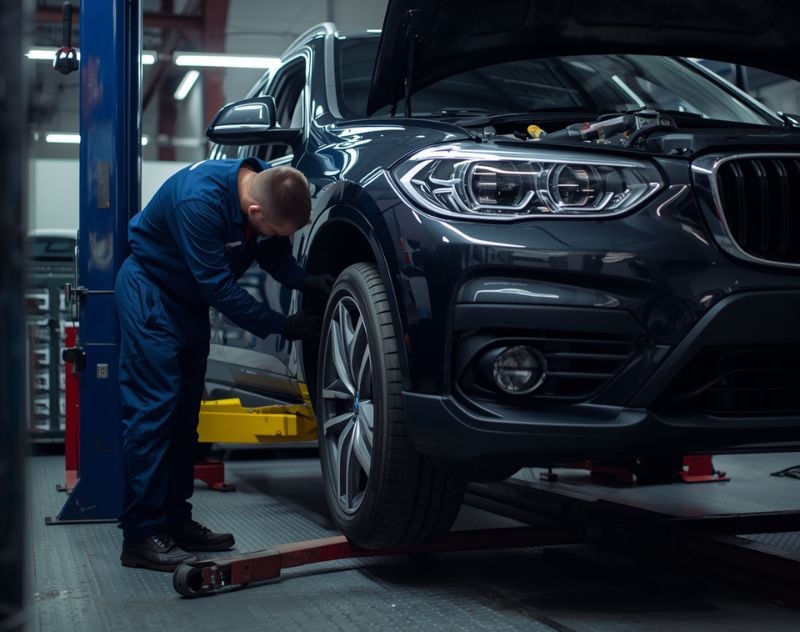
Buying a second-hand car can be a smart financial move, but only if you know what you are getting. A proper Used Car Inspection helps you identify hidden problems before they turn into expensive repairs. Many buyers rely on appearance or a short test drive, which is rarely enough. This guide provides a clear, practical checklist to help you assess any used vehicle with confidence.
Why a Used Car Inspection Is Essential
A Used Car Inspection gives you a realistic picture of the vehicle’s condition. It reduces uncertainty and helps you avoid vehicles with mechanical or structural issues. Sellers may not always disclose faults, especially in private sales.
It also plays a key role in Vehicle Pre Purchase decisions. Instead of guessing, you rely on verified information. This makes your purchase more secure and easier to justify.
Complete Used Car Inspection Checklist
1. Exterior Condition Check
Start with a full walkaround of the vehicle. Look closely at the paint, panels, and alignment.
Signs to Watch
Uneven paint may indicate past repairs. Misaligned panels can suggest accident damage. Rust around wheel arches or under doors is a long-term concern.
Check the windshield and windows for cracks or chips. Even small damage can grow over time.
2. Tyres and Wheels Inspection
Tyres reveal a lot about how the car has been maintained.
What to Look For
Uneven tyre wear often points to alignment or suspension issues. Worn-out tyres may need immediate replacement. Inspect alloy wheels for cracks or bends.
During a Used Car Inspection, tyre condition is often underestimated, yet it directly impacts safety.
3. Engine Bay Examination
Open the bonnet and inspect the engine area carefully.
Key Checks
Look for oil leaks, corrosion, or loose components. Engine oil should not be too dark or gritty. Check coolant levels and ensure there are no visible leaks.
A clean engine bay is good, but excessive cleaning may hide problems. This step is critical in any vehicle pre-purchase process.
4. Interior and Electrical Systems
The interior tells you how the car was used and maintained.
Features to Test
Check air conditioning, lights, infotainment, and power windows. Ensure all switches function properly.
Look for warning lights on the dashboard. These should not be ignored. A musty smell may indicate water damage or leaks.
5. Brake System Check
Brakes are a key safety component and must be inspected thoroughly.
Warning Signs
Listen for squeaking or grinding sounds. The brake pedal should feel firm, not soft. Vibrations during braking may indicate worn discs.
A detailed Used Car Inspection always includes a review of brake performance.
6. Suspension and Steering
Suspension affects comfort and handling.
How to Check
Press down on each corner of the car. Excessive bouncing suggests worn suspension. During a test drive, notice if the car pulls to one side.
Steering should feel smooth and responsive. Any stiffness or noise needs attention.
Common Hidden Problems to Avoid
Engine Issues
Internal wear may not be visible, but can lead to costly repairs.
Transmission Faults
Delayed gear shifts or jerks are warning signs.
Electrical Failures
Faulty wiring or sensors can affect multiple systems.
Structural Damage
Previous accidents may weaken the vehicle frame.
Practical Tips for Buyers
Take Your Time
Do not rush the buying process. Careful evaluation reduces risk.
Compare Multiple Options
Looking at different cars helps you understand fair pricing.
Stay Objective
Avoid emotional decisions. Focus on condition and value.
Prioritize Safety Components
Brakes, tyres, and steering must be in good condition.
A structured Used Car Inspection keeps your decision practical and well-informed.
Conclusion
A Used Car Inspection is a key step in avoiding hidden problems when buying a second-hand vehicle. It gives you clarity, reduces risk, and helps you make confident decisions. From checking the exterior to verifying documents, every step matters.
When combined with proper Vehicle Pre Purchase checks, inspection results guide you toward a reliable and safe vehicle.