
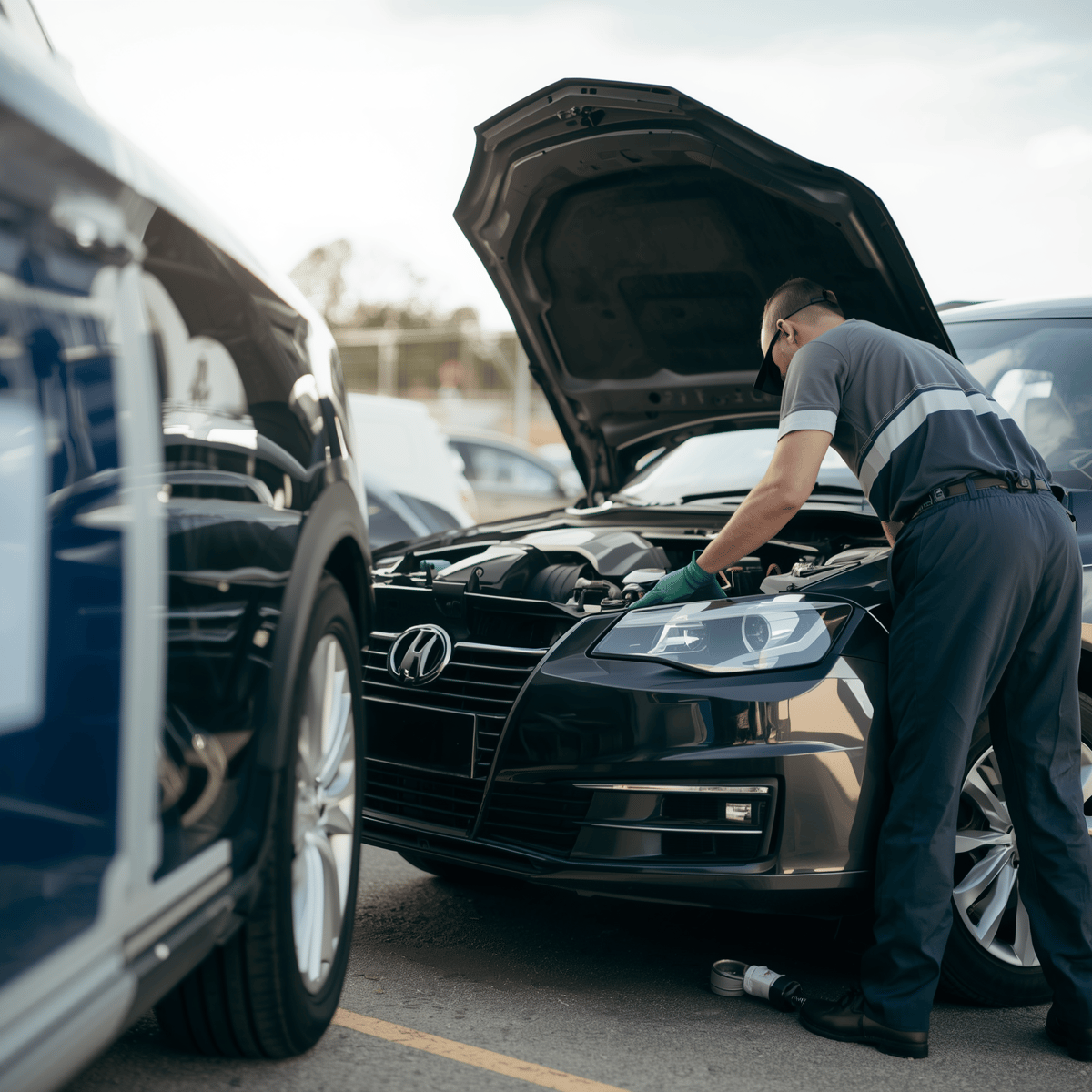
Buying a used car can be a smart financial decision, but only if you know what you are purchasing. A vehicle may appear to be in excellent condition while hiding expensive mechanical or structural issues. That is why a vehicle check before buying is an essential part of the buying process.
A proper inspection helps you understand the true condition of the car before making a financial commitment. Whether you are buying from a private seller or a dealership, taking the time to inspect the vehicle can save you from unexpected repair costs later.
Why Is a Vehicle Check Before Buying Important?
A vehicle check before buying helps identify problems that may not be obvious during a short test drive. Some issues develop over time, while others are intentionally hidden before the vehicle is listed for sale.
A professional inspection can help you:
- Detect hidden mechanical faults.
- Identify previous accident damage.
- Check the vehicle's safety.
- Estimate upcoming repair costs.
- Make a more informed buying decision.
Spending a small amount on an inspection is often much less expensive than paying for major repairs after purchase.
What Should Be Included in a Vehicle Check Before Buying?
A complete inspection should cover every major component of the vehicle.
Engine Inspection
The engine is one of the most expensive parts to repair. Check for oil leaks, unusual noises, excessive smoke, warning lights, and signs of poor maintenance.
Brake System
Inspect the condition of brake pads, discs, brake fluid, and overall braking performance. Reliable brakes are essential for safe driving.
Suspension and Steering
A thorough inspection should identify worn suspension components, damaged steering parts, and alignment issues that may affect vehicle handling.
Tyres and Wheels
Check tyre tread depth, uneven wear, sidewall damage, and wheel condition. Uneven tyre wear often indicates alignment or suspension problems.
Electrical Components
Test headlights, indicators, air conditioning, power windows, battery health, and dashboard warning lights. Modern vehicles rely heavily on electrical systems.
Exterior and Interior
Inspect the paintwork for colour differences, dents, scratches, rust, and signs of previous repairs. Inside the vehicle, check seat condition, seat belts, controls, and dashboard functions.
Common Warning Signs to Watch For
Even without professional experience, buyers can notice several warning signs during a vehicle check before buying.
Look for:
- Fluid leaks under the vehicle.
- Excessive exhaust smoke.
- Engine warning lights.
- Vibrations during driving.
- Strange noises while accelerating or braking.
- Uneven tyre wear.
- Poor panel alignment.
- Rust underneath the vehicle.
If you notice any of these issues, consider arranging a professional inspection before moving forward.
Should You Hire a Professional Inspector?
Yes. While your own inspection is valuable, experienced vehicle inspectors have the tools and knowledge to detect hidden problems that many buyers miss.
Professional inspections often include detailed reports covering the engine, transmission, brakes, suspension, electrical systems, and structural condition. This information helps you understand whether the asking price reflects the vehicle's actual condition.
Tips for Buying a Used Car Safely
Before finalising your purchase, remember these simple tips:
- Inspect the vehicle in daylight.
- Review the service history.
- Verify ownership documents.
- Test drive the vehicle.
- Compare similar vehicles before deciding.
- Arrange a professional vehicle check before buying.
These steps reduce the risk of purchasing a vehicle with expensive hidden problems.
Conclusion
A vehicle check before buying is one of the smartest steps you can take when purchasing a used car. It provides valuable information about the vehicle's condition, helps identify hidden issues, and supports better buying decisions. Taking the time to inspect the vehicle before purchase can save money, improve safety, and give you greater confidence throughout the buying process.