
Acne scars can be stubborn, affecting both skin texture and confidence. While there are many treatments available, micro needling with a Derma Pen has emerged as a highly effective solution. This minimally invasive procedure stimulates collagen production, helping to smooth out scars and improve overall skin tone.
In this comprehensive guide, we’ll explore how the Derma Pen works, its benefits for acne scars, what to expect during treatment, and expert aftercare tips for the best results.
How Does a Derma Pen Work for Acne Scars?
Understanding Micro needling Technology
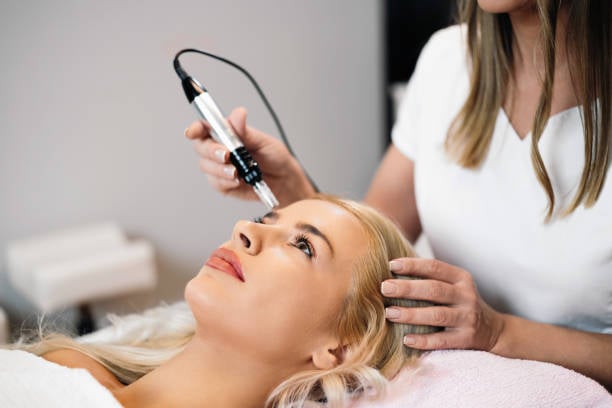
The Derma Pen is a handheld device equipped with fine needles that create controlled micro-injuries in the skin. These tiny punctures trigger the body’s natural healing process, boosting collagen and elastin production. Over time, this helps fill in depressed acne scars and improves skin texture.
Why It’s Effective for Acne Scars
Unlike surface-level treatments, the Derma Pen penetrates deeper into the skin, breaking down scar tissue and promoting cellular turnover. This makes it particularly effective for:
- Atrophic scars (icepick, boxcar, and rolling scars)
- Hyperpigmentation left behind by acne
- Uneven skin texture caused by scarring
Comparing Derma Pen to Other Treatments
While lasers and chemical peels also treat acne scars, micro needling with a Derma Pen is less abrasive and has minimal downtime. It’s also suitable for most skin types, including sensitive skin.
Benefits of Using a Derma Pen for Acne Scars
Stimulates Natural Collagen Production
The micro-channels created by the Derma Pen encourage the skin to rebuild itself, leading to firmer, smoother skin over time.
Reduces Scar Depth and Visibility
Repeated sessions can significantly diminish the appearance of deep acne scars, making them less noticeable.
Improves Skin Absorption of Serums
Post-treatment, the skin better absorbs healing serums like hyaluronic acid and vitamin C, enhancing results.
Safe for Most Skin Types
Unlike some laser treatments, the Derma Pen is less likely to cause hyperpigmentation in darker skin tones.
What to Expect During a Derma Pen Treatment
Pre-Treatment Preparation
- Avoid sun exposure and retinoids for a few days before the session.
- A numbing cream is applied to minimize discomfort.
The Treatment Process
- The practitioner glides the Derma Pen over the scarred areas in precise motions.
- The procedure typically takes 30-60 minutes, depending on the area treated.
Post-Treatment Care
- Redness and mild swelling are normal for 24-48 hours.
- Use gentle skincare and sunscreen to protect healing skin.
How Many Sessions Are Needed for Best Results?
Most people see noticeable improvements after 3-6 sessions, spaced 4-6 weeks apart. Deeper scars may require additional treatments.
Derma Pen Aftercare Tips for Optimal Healing
Avoid Harsh Products
Skip exfoliants and active ingredients (like retinol) for at least a week.
Keep Skin Hydrated
Use hyaluronic acid and fragrance-free moisturizers to support recovery.
Protect from Sun Exposure
Wear SPF 30+ daily to prevent post-inflammatory hyperpigmentation.
FAQs About Derma Pen for Acne Scars
Q: Is the Derma Pen painful?
A: Most people experience mild discomfort, but numbing cream is used to minimize pain.
Q: How soon will I see results?
A: Initial improvements appear in 2-4 weeks, with full results visible after multiple sessions.
Q: Can I use a Derma Pen at home?
A: Professional treatments are safer and more effective, but at-home devices (with shorter needles) can provide mild benefits.
Q: Are there any side effects?
A: Temporary redness, swelling, and slight peeling are common but subside quickly.
Final Thoughts
The Derma Pen is a powerful tool in the fight against acne scars, offering a safe and effective way to rejuvenate the skin. By stimulating collagen and enhancing skin texture, it provides long-term improvements with minimal downtime.