
In the world of advanced skincare, non-surgical treatments have become a popular choice for individuals looking to improve their skin’s texture, reduce signs of aging, and achieve a radiant complexion. Among the top contenders in the realm of skin rejuvenation are Derma Pen treatments and traditional microneedling procedures. Although they may seem similar at first glance, there are key differences between the two that can significantly impact your skincare journey.
What Is the Derma Pen and How Does It Work?
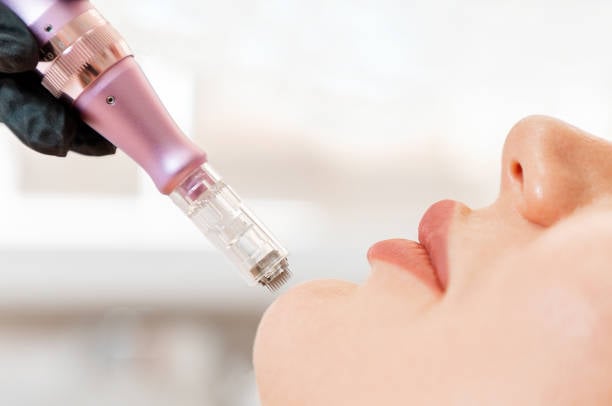
The Derma Pen is a revolutionary, pen-shaped device designed to rejuvenate the skin using automated microneedling technology. Unlike older manual rollers, it operates with a precision tip that contains multiple tiny needles that create controlled micro-injuries in the skin. These microchannels stimulate the body’s natural wound-healing response, boosting collagen and elastin production. This process results in firmer, smoother, and more even-toned skin.
What makes the Derma Pen stand out is its ability to adjust needle depth and speed, making it suitable for treating delicate areas such as under the eyes or around the lips with greater accuracy and minimal discomfort. This precision allows for a more personalized approach compared to traditional microneedling tools.
How Microneedling Works in General
Microneedling, in its broader definition, refers to any treatment that uses tiny needles to puncture the skin. This includes both manual dermarollers and motorized devices like the Derma Pen. The technique encourages skin regeneration and helps reduce the appearance of fine lines, acne scars, stretch marks, and large pores.
Traditional microneedling with dermarollers often uses fixed needle lengths and can be less controlled in application, making it slightly more aggressive on sensitive skin. Despite this, it remains a trusted method, especially for those new to skin treatments or seeking simpler at-home care.
Key Differences Between Derma Pen and Microneedling
Device Design and Precision
The primary difference lies in the device's structure. The Derma Pen is motorized and has adjustable needle depths, allowing professionals to customize treatments based on the skin's needs. In contrast, manual microneedling tools like dermarollers have fixed needle lengths and rely on manual pressure, which can result in uneven puncture depths.
Level of Control
With the Derma Pen, practitioners can control the speed and depth of the needles electronically. This control makes the treatment more precise and comfortable, especially in sensitive or hard-to-reach areas. Manual tools may be more difficult to maneuver and can cause more trauma if not used correctly.
Treatment Outcomes
Due to its precision, the Derma Pen typically delivers faster and more noticeable results. It’s especially effective in reducing deep acne scars and improving skin tone and texture. Traditional microneedling, while still effective, may require more sessions to achieve the same results, particularly for stubborn skin concerns.
Benefits of Derma Pen for Different Skin Conditions
Acne Scars and Pigmentation
One of the standout uses of the Derma Pen is its ability to break down scar tissue and promote skin remodeling. People with post-acne marks or hyperpigmentation can see a significant reduction in discoloration and texture irregularities over time.
Fine Lines and Wrinkles
The boost in collagen from Derma Pen sessions smooths out fine lines and softens deeper wrinkles. This makes it a go-to anti-aging solution for individuals looking to maintain youthful skin without invasive procedures.
Skin Tightening and Glow
In addition to treating specific issues, the Derma Pen refreshes the overall complexion. Many clients report tighter, brighter skin with improved elasticity after just a few sessions.
Who Is a Good Candidate for Each Treatment?
Ideal Candidates for Derma Pen
If you’re seeking precise, professional treatment tailored to your skin type and concerns, the Derma Pen is often the better choice. It’s especially recommended for individuals with moderate to severe skin conditions, deeper acne scars, or sensitive areas that require controlled care.
When Microneedling Might Be Enough
For those with minimal skin issues or who want to start with a gentler approach, traditional microneedling may suffice. It’s also a good option for people who want to maintain skin health between professional sessions.
Recovery Time and Aftercare Considerations
Both treatments come with mild side effects such as redness, swelling, or slight sensitivity, typically lasting one to three days. However, since the Derma Pen allows for more targeted application, it may result in less inflammation and quicker healing compared to dermarollers.
Aftercare includes using gentle, hydrating products and applying sunscreen to protect newly treated skin. Patients are often advised to avoid makeup or direct sun exposure for at least 24 hours.
Combining Derma Pen with Other Treatments
Many professionals recommend pairing the Derma Pen with serums like hyaluronic acid, growth factors, or vitamin C to enhance results. The microchannels created during treatment increase product absorption, making the skin more receptive to active ingredients.
When used strategically, it can also complement treatments like chemical peels or PRP (platelet-rich plasma), creating a multi-layered skincare plan that tackles various concerns at once.
Safety and Professional Guidance
It’s essential to undergo either procedure under the supervision of a certified professional. While at-home microneedling kits are available, improper use can lead to infections, irritation, or even scarring. The Derma Pen, being a more advanced tool, should always be handled by a trained expert to ensure safety and efficacy.
✨ Frequently Asked Questions About Derma Pen vs Microneedling ✨
🌟 What makes the Derma Pen more effective than a dermaroller?
The Derma Pen uses a motorized system with adjustable needle depths and speeds, offering more consistent and precise results. This makes it ideal for targeting complex skin concerns like deep scars or fine lines.
🌟 Can I do Derma Pen treatments at home?
While at-home microneedling kits exist, the Derma Pen should only be used by trained professionals due to its power and depth capabilities. Incorrect usage can cause more harm than benefit.
🌟 How long until I see results with the Derma Pen?
Most people notice improvement in skin texture and radiance after the first session, with continued results over 4–6 weeks. A series of treatments may be recommended for optimal outcomes.
🌟 Is Derma Pen suitable for all skin types?
Yes, the Derma Pen can be customized for all skin tones and types. However, a professional assessment is crucial to avoid complications, especially for those with active acne or skin sensitivity.
Final Thoughts: Choosing the Right Solution for You
Whether you opt for the high-precision benefits of the Derma Pen or the simplicity of traditional microneedling, both treatments can significantly enhance your skin’s health and appearance. Your choice should depend on your skin goals, sensitivity, and desire for targeted results. Professional consultation remains the key to making the best decision for your skincare journey. Investing in proven treatments today can set you on a path to glowing, youthful skin for the long term.