
Hair loss is a common concern affecting millions worldwide, often impacting self-esteem and confidence. While various solutions exist, from topical treatments to medications, many individuals seek a more permanent and natural-looking restoration. Modern hair transplant techniques have revolutionized the approach to hair loss, offering effective and aesthetically pleasing results that were once unimaginable. These advancements focus on meticulous graft handling and precise placement to ensure that new hair growth blends seamlessly with existing hair, restoring not just a hairline but also a sense of self.
The Precision of FUE Hair Transplant in Saudi Arabia
Saudi Arabia has rapidly become a prominent destination for cutting-edge medical and aesthetic procedures, with a growing number of clinics adopting the latest technologies in hair restoration. Among these, the Follicular Unit Extraction (FUE) method stands out as a highly sought-after technique for its minimally invasive nature and natural outcomes. The availability of FUE Hair Transplant in Riyadh, Jeddah and Saudi Arabia underscores a significant commitment to providing advanced solutions for hair loss. This modern approach offers individuals across the Kingdom access to sophisticated procedures that promise dense, natural-looking hair, performed by skilled practitioners in state-of-the-art facilities, reflecting a dedication to both aesthetic excellence and patient well-being.
The Core of FUE: What is It and How Does It Work?
FUE, or Follicular Unit Extraction, is a sophisticated hair transplant technique that involves individually extracting hair follicles from a donor area (typically the back or sides of the head, where hair is resistant to balding) and transplanting them to the recipient area (where hair loss has occurred). Unlike older methods that involved removing a strip of scalp, FUE eliminates the need for linear incisions, leading to a less invasive procedure and faster healing.
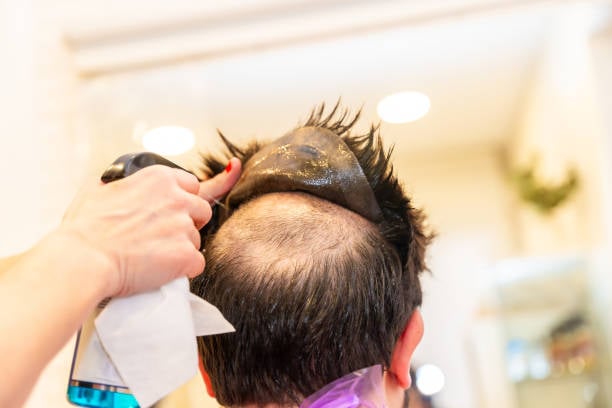
- Individual Graft Extraction: Using a micro-punch tool (typically less than 1mm in diameter), the surgeon carefully extracts individual follicular units. Each follicular unit may contain one to four hairs, along with their sebaceous glands, nerves, and arrector pili muscles, ensuring that the transplanted hair is viable.
- Minimal Scarring: Because the extraction creates tiny, circular incisions rather than a linear cut, the donor area heals with virtually undetectable pinpoint scars, allowing patients to wear their hair very short if desired.
- Precision Placement: Once extracted, these follicular units are meticulously sorted and prepared. The surgeon then creates tiny incisions in the recipient area, following the natural angle, direction, and density of the patient's existing hair, ensuring that the transplanted hair grows in a natural pattern.
- Natural Results: This precise placement, combined with the use of individual follicular units, leads to incredibly natural-looking results that are virtually indistinguishable from native hair.
The FUE method represents a significant advancement in hair restoration, offering a more comfortable experience and superior aesthetic outcomes.
The Journey to Recovery: What to Expect After FUE Hair Transplant
Understanding the recovery timeline is crucial for anyone considering an FUE hair transplant. While the procedure is minimally invasive, a proper recovery phase is essential for optimal graft survival and successful results.
- Immediate Post-Procedure (Day 1-3): Immediately after the procedure, you will have tiny scabs in both the donor and recipient areas. Some redness and mild swelling are common, particularly around the forehead and eyes, which can be managed with prescribed medications and cold compresses. It's crucial to avoid touching or rubbing the transplanted grafts during this period to ensure they settle securely.
- First Week (Day 4-7): The initial swelling usually subsides. You will be advised on how to gently wash your scalp to remove scabs and promote healing. Itching is a common sensation as the scalp heals. The tiny scabs in the donor area will also begin to heal rapidly, and by the end of the first week, they should be much less noticeable.
- Weeks 2-4 (Shedding Phase): This is a normal and expected part of the process, often referred to as "shock loss." Many of the transplanted hairs will shed during this period. This is not a sign of failure; rather, it indicates that the hair follicles have entered a resting phase before new, permanent hair growth begins.
- Months 1-3 (Dormant Phase): After the shedding phase, the transplanted follicles enter a dormant period. There will be little visible hair growth, and your scalp may look similar to its pre-transplant state. Patience is key during this phase as the follicles are preparing for new growth.
- Months 4-6 (Early Growth): Around the fourth month, you will start to notice new hair growth emerging. Initially, these hairs may appear fine and thin, often described as "vellus hairs." They will gradually thicken and mature over time.
- Months 7-12 (Significant Growth & Maturation): This period brings significant improvements in density and coverage. The new hairs will continue to thicken, gain texture, and blend more seamlessly with your existing hair. Your hairline will begin to take its final shape.
- 12-18 Months (Final Results): By 12 to 18 months post-procedure, you should see the full and final results of your FUE hair transplant. The transplanted hair will have fully matured, providing maximum density and a natural appearance that is ready for normal styling.
Throughout this recovery journey, consistent communication with your specialist and adherence to aftercare instructions are vital.
Maximizing Your FUE Results: Essential Aftercare
Proper aftercare is just as important as the procedure itself in ensuring the success and longevity of your FUE hair transplant. Following your specialist's instructions meticulously can significantly impact the outcome.
- Gentle Scalp Care: For the first few days, avoid direct water pressure on the transplanted grafts. You'll be given a special saline solution to spray on the recipient area and instructions for a gentle washing technique to prevent dislodging the delicate grafts and keep the scalp clean.
- Protecting Grafts: Avoid any rubbing, scratching, or direct pressure on the transplanted area. Sleep with your head elevated for the first few nights to minimize swelling and prevent accidental contact with bedding.
- Activity Restrictions: Strenuous exercise, heavy lifting, and activities that cause excessive sweating should be avoided for at least two to four weeks. Sweating can introduce bacteria and potentially harm the healing grafts.
- Sun Protection: Protect your scalp from direct sunlight for several weeks. UV exposure can damage the newly transplanted follicles. Wearing a loose-fitting hat (after the initial delicate period, usually a week) or using an umbrella is recommended.
- Diet and Lifestyle: Maintaining a healthy diet rich in vitamins and minerals, staying well-hydrated, and avoiding smoking and alcohol are crucial. These factors contribute to overall healing and graft survival.
- Medication Adherence: Take any prescribed medications, such as antibiotics or anti-inflammatories, exactly as directed to prevent infection and manage discomfort.
- Follow-Up Appointments: Attend all scheduled follow-up appointments with your specialist. These check-ups are essential for monitoring your progress, addressing any concerns, and receiving further guidance on your recovery.
Diligence in aftercare is an investment in the long-term success and natural appearance of your transplanted hair.
The Advantages of Choosing FUE Hair Transplant
FUE hair transplant has become the preferred method for many due to its distinct advantages over older techniques.
- Minimally Invasive: The absence of a linear incision means no scalpels or stitches, leading to a much less invasive procedure.
- No Linear Scarring: This is a significant benefit for patients who wish to wear their hair short, as the tiny FUE scars are virtually undetectable when healed.
- Faster Healing Time: Both the donor and recipient areas typically heal more quickly compared to strip harvesting, allowing for a faster return to normal activities.
- Reduced Discomfort: Patients generally experience less post-operative pain and discomfort.
- Natural-Looking Results: The precise extraction and individual placement of follicular units allow for highly natural and aesthetically pleasing results, mimicking natural hair growth patterns.
- Versatility: FUE can be used to transplant hair to other areas of the body, such as eyebrows, beard, and even to camouflage scars.
- Higher Graft Survival Rate: When performed by a skilled surgeon, FUE can boast a high graft survival rate, leading to denser and more successful outcomes.
These benefits collectively contribute to FUE's reputation as a gold standard in modern hair restoration.
Who is an Ideal Candidate for FUE?
While FUE hair transplant is highly versatile, it's not universally suitable for everyone. Identifying the ideal candidate involves assessing several factors.
- Sufficient Donor Hair: The most crucial factor is having an adequate supply of healthy, stable hair follicles in the donor area (usually the back and sides of the scalp). These hairs must be resistant to balding.
- Stable Hair Loss: Candidates should have stable hair loss, meaning their hair loss has slowed down or stopped. FUE is not recommended for individuals experiencing rapid or widespread hair shedding.
- Realistic Expectations: Understanding that hair transplant creates density and covers bald areas, but does not bring back a full head of hair in all cases, is important. Results are natural but depend on the existing donor supply.
- Good General Health: Candidates should be in good overall health, without underlying medical conditions that could complicate the surgery or healing process.
- Age: While there's no strict age limit, candidates typically benefit most when their hair loss pattern has been established, usually in their late 20s or older.
- Hair Characteristics: Hair characteristics like texture, color, and curl can influence the visual density and naturalness of the result, which a specialist will assess.
A thorough consultation with an experienced hair transplant specialist is essential to determine if FUE is the right solution for your specific hair loss pattern and goals.
The Science of Hair Growth After Transplant
The journey of transplanted hair after FUE follows a predictable biological cycle, which is important for managing expectations.
- Survival and Revascularization: Immediately after transplantation, the grafts rely on diffusion for nutrients. Over the first few days, new blood vessels from the recipient site grow into the grafts, establishing a new blood supply – a critical step for survival.
- Telogen Phase (Shedding): Once the blood supply is established, the transplanted hairs typically enter a "shock loss" phase, shedding within 2-4 weeks. This is a natural reaction to the trauma of transplantation and indicates the follicles are resting.
- Anagen Phase (Growth): After the shedding, the follicles enter the anagen (growth) phase. New hair typically starts to emerge around 3-4 months post-surgery. These initial hairs might be fine and light.
- Maturation: Over the next several months, the new hairs continue to grow, thicken, and mature, gaining density and texture. They gradually blend with the existing hair.
- Permanent Results: Once the hair follicles are established and growing, they are permanent. They will continue to grow naturally for a lifetime, assuming they were harvested from a genetically stable donor area.
Understanding these phases helps patients appreciate the gradual nature of the results and fosters patience throughout the process.
Expert Opinions on FUE in Saudi Arabia
Leading hair transplant experts in Saudi Arabia emphasize the transformative potential of FUE, particularly for its ability to deliver natural-looking and permanent results. They highlight the importance of:
- Surgeon's Expertise: The skill and experience of the surgeon are paramount in FUE. Precise extraction to minimize damage to grafts and artistic placement to ensure a natural hairline and density are critical for success.
- Advanced Tools and Techniques: Utilizing the latest micro-punch devices and implantation tools ensures minimal trauma to the scalp and optimal graft survival.
- Patient Selection: Proper patient selection is key to achieving satisfactory outcomes. Experts advise thorough consultations to assess donor hair quality and quantity, as well as managing patient expectations realistically.
- Comprehensive Aftercare: Adherence to post-operative instructions is stressed as vital for healing and graft viability. Clinics in Saudi Arabia are known for providing detailed aftercare protocols and ongoing support.
- Combination Therapies: For some individuals, combining FUE with non-surgical treatments like PRP (Platelet-Rich Plasma) therapy or specific medications can further enhance results and support existing hair.
These insights from professionals underscore the commitment to excellence and patient satisfaction in the region's hair restoration sector.
The Future of Hair Restoration: Innovation Continues
The field of hair restoration is continuously evolving, driven by research and technological advancements. The future promises even more refined FUE techniques, potentially involving robotics for ultra-precise graft extraction and implantation, further minimizing human error and maximizing efficiency. Advances in regenerative medicine, such as improved PRP therapies and stem cell research, may also play a more significant role in enhancing graft survival and stimulating existing hair growth. As these innovations become more widely adopted, the options for safe, effective, and natural-looking hair restoration will continue to expand, offering hope to even more individuals experiencing hair loss worldwide.
Frequently Asked Questions
How long does the FUE hair transplant recovery time typically last before I see initial growth?
The initial healing phase after an FUE hair transplant, where redness and scabbing subside, typically lasts about 7 to 10 days. However, the period before you see initial new hair growth is longer. After about 2-4 weeks, the transplanted hairs will usually shed, which is a normal part of the process. New hair growth typically begins around 3 to 4 months post-procedure. These hairs may be fine at first, gradually thickening over the following months.
What are the most crucial post-operative care tips I need to follow for a successful FUE Hair Transplant?
The most crucial post-operative care tips for a successful FUE Hair Transplant include being extremely gentle with your scalp, especially the transplanted area, for the first few days to avoid dislodging grafts. You should strictly follow your specialist's instructions for gentle washing, typically using a specialized spray and mild shampoo. Avoid direct sun exposure, strenuous physical activity, excessive sweating, and wearing tight headwear for several weeks. It's also vital to take any prescribed medications to prevent infection and reduce swelling, and to attend all follow-up appointments.
Will my FUE Hair Transplant results look completely natural, and how long until they reach their full appearance?
Yes, when performed by a skilled and experienced surgeon, FUE Hair Transplant results are designed to look incredibly natural. The individual extraction and meticulous, artistic placement of each follicular unit, mimicking your natural hair growth direction and density, ensure that the transplanted hair blends seamlessly with your existing hair. While initial growth appears around 3-4 months, the transplanted hair will continue to thicken and mature. You can expect to see the full, final results and the complete natural appearance of your new hair by 12 to 18 months post-procedure.
What activities should I absolutely avoid during the initial FUE Hair Transplant recovery period to ensure graft survival?
During the initial FUE Hair Transplant recovery period, typically the first 2-4 weeks, you must absolutely avoid activities that could dislodge the delicate transplanted grafts or introduce infection. This includes strenuous physical exercise, heavy lifting, or any activity that causes excessive sweating. You should also avoid direct sunlight exposure on your scalp, swimming, and wearing tight hats or helmets. Refrain from touching, rubbing, or scratching the transplanted areas to allow the grafts to securely settle and heal properly.
For more information and to explore your options for FUE Hair Transplant, you can visit Royal Clinic Saudia.