
The nose is a central feature of the face, profoundly influencing overall facial harmony and balance. For many, dissatisfaction with their nose's size, shape, or proportion can significantly impact self-confidence and body image. Beyond aesthetics, nasal structure can also affect breathing, leading to functional issues that hinder daily life. The decision to consider rhinoplasty, often referred to as a "nose job," is deeply personal, driven by a desire for improved appearance, enhanced breathing, or both. It’s about creating a nose that complements your unique facial features and functions optimally.
What is Rhinoplasty and How Can it Help?
Sculpting Form and Function
Rhinoplasty is a highly specialized surgical procedure that reshapes the nose, addressing both its aesthetic appearance and functional aspects. Whether it's reducing a prominent hump, refining the tip, straightening a crooked bridge, narrowing wide nostrils, or correcting breathing difficulties caused by structural issues like a deviated septum, Rhinoplasty in Riyadh offers a path to achieving a more balanced and harmonious facial profile. This intricate surgery requires a deep understanding of nasal anatomy, artistic vision, and precise surgical skill.
Exploring Rhinoplasty Techniques
There are two primary surgical approaches to rhinoplasty, each with its own advantages:
- Open Rhinoplasty: In this technique, a small incision is made across the columella (the narrow strip of tissue between the nostrils). This external incision allows the surgeon to lift the skin and soft tissues, providing a clear and direct view of the underlying bone and cartilage structures. This comprehensive visibility is particularly beneficial for complex cases requiring significant reshaping or reconstruction. While it leaves a tiny external scar, it is typically well-hidden and fades over time.
- Closed Rhinoplasty: This approach involves making all incisions inside the nostrils, meaning there are no external incisions and thus no visible scars. The surgeon works through these internal incisions to reshape the nasal structures. Closed rhinoplasty is often preferred for more minor adjustments and when the underlying nasal framework does not require extensive manipulation. It generally boasts a shorter recovery period due to less tissue disruption.
- Revision Rhinoplasty: This specialized procedure is performed to correct or improve the results of a previous rhinoplasty. It can be more complex due to altered anatomy and scar tissue from the initial surgery, requiring a highly experienced surgeon.
- Septorhinoplasty: This procedure combines cosmetic rhinoplasty with septoplasty, a surgical procedure to correct a deviated septum. It addresses both aesthetic concerns and breathing difficulties simultaneously.
The Broad Spectrum of Benefits: More Than Just a Pretty Nose
Achieving Facial Harmony
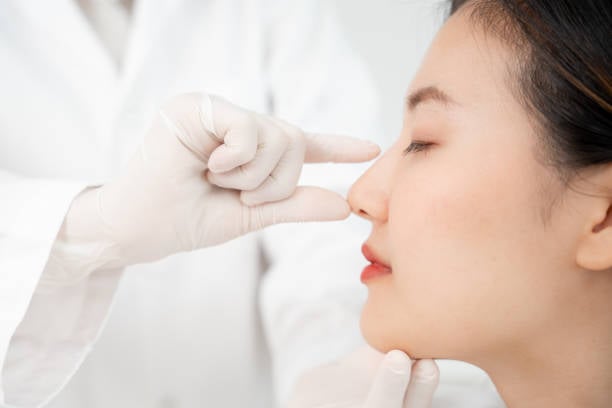
A well-proportioned nose can dramatically enhance overall facial symmetry and balance. Rhinoplasty allows for the precise reshaping of the nose to bring it into better proportion with other facial features like the eyes, chin, and forehead. This can lead to a more aesthetically pleasing and harmonious appearance, often creating a subtle yet impactful improvement that feels natural and integrated.
Improving Nasal Breathing
Beyond cosmetic enhancements, a significant benefit of rhinoplasty is the improvement of functional breathing issues. Many individuals suffer from chronic nasal obstruction due to structural abnormalities such as a deviated septum, enlarged turbinates, or narrow nasal passages. By correcting these underlying problems, rhinoplasty can dramatically improve airflow, leading to easier breathing, reduced snoring, and better sleep quality. This functional improvement can have a profound positive impact on overall health and well-being.
Boosting Self-Confidence
Living with a nose that causes self-consciousness can be emotionally challenging. Patients who undergo successful rhinoplasty often report a significant boost in self-esteem and confidence. Feeling comfortable and happy with their appearance can translate into improvements in social interactions, professional life, and overall quality of life. The psychological uplift derived from finally achieving a desired look can be truly transformative.
Correcting Deformities
Rhinoplasty is also invaluable for correcting nasal deformities resulting from injury, trauma, or congenital conditions. Whether it's a broken nose that healed improperly, a birth defect affecting nasal structure, or previous surgical outcomes that require refinement, the procedure can restore both the aesthetic appearance and functional integrity of the nose. This reconstructive aspect of rhinoplasty can be life-changing for those who have lived with significant nasal irregularities.
The Journey of Transformation: Preparation and Recovery
Essential Steps Before Surgery
Embarking on the Rhinoplasty in Riyadh journey requires careful preparation and thorough consultation.
- Detailed Consultation: Your journey will begin with a comprehensive consultation with a board-certified plastic surgeon or ENT surgeon specializing in rhinoplasty. They will meticulously examine your nasal structure, discuss your aesthetic goals, and assess your overall health. Digital imaging may be used to provide a visual representation of potential outcomes, helping align expectations.
- Medical Evaluation: You will undergo a series of medical tests and evaluations to ensure you are a suitable candidate for surgery. This includes blood tests, a review of your medical history, and discussions about any medications or supplements you are currently taking.
- Lifestyle Adjustments: You may be advised to stop smoking several weeks before surgery, as smoking can impair healing and increase complication risks. Avoiding blood-thinning medications and certain supplements is also crucial to minimize bleeding during and after the procedure.
The Surgical Experience
Rhinoplasty is typically performed under general anesthesia, ensuring you are comfortable and asleep throughout the procedure.
- Incision Placement: Depending on the chosen technique (open or closed), incisions are made either inside the nostrils or across the columella.
- Reshaping the Nose: The surgeon then carefully reshapes the bone and cartilage to achieve the desired aesthetic and functional improvements. This may involve removing tissue, adding cartilage grafts (often taken from the septum, ear, or rib), or repositioning structures.
- Closure: Once the desired shape is achieved, the skin and tissues are redraped, and the incisions are closed with fine sutures. A splint (internal or external) and/or packing may be applied to support the new nasal shape and reduce swelling during the initial healing phase. The entire procedure usually takes between 1.5 to 4 hours, depending on its complexity.
Navigating the Recovery Process
Recovery from rhinoplasty is a gradual process, and patience is key to achieving optimal results.
- Immediate Post-Operative Period: You can expect some swelling, bruising around the eyes and nose, and mild discomfort in the days following surgery. Pain medication will be prescribed to manage any pain. A splint, cast, or packing will typically remain in place for about one week.
- Initial Healing (First Few Weeks): Once the splint is removed, significant swelling will be visible, but it will gradually subside. Bruising usually resolves within 2-3 weeks. You should avoid strenuous activities, heavy lifting, and activities that could impact your nose for several weeks. Sleeping with your head elevated is recommended to help reduce swelling.
- Long-Term Healing (Months to a Year): While much of the initial swelling subsides relatively quickly, residual swelling can persist for several months, particularly in the nasal tip. The final results of rhinoplasty can take up to a year, or even longer for some, to fully materialize as all the swelling completely resolves and the tissues settle into their new shape.
- Follow-up Care: Regular follow-up appointments with your surgeon are essential to monitor your healing progress and address any concerns. Your surgeon will provide specific instructions on how to care for your nose during recovery, including cleaning techniques and activities to avoid.
Patient Stories: Real Journeys, Real Transformations
Layla's Journey: Rediscovering Confidence
Layla, a 28-year-old artist from Riyadh, had always been self-conscious about a prominent hump on her nose that she felt disrupted her facial symmetry. "It was the first thing I saw when I looked in the mirror," she recounts. "I felt it distracted from my eyes and smile." After extensive research, Layla opted for Rhinoplasty in Riyadh. Her surgeon meticulously sculpted her nasal bridge, creating a smoother profile. "The initial swelling was challenging, but seeing the subtle changes each day was incredibly motivating," Layla shares. "Now, my nose feels like it finally fits my face. I have so much more confidence in my art and in myself."
Ahmed's Story: Breathing Freely Again
Ahmed, a 40-year-old engineer, suffered from chronic nasal congestion and loud snoring due to a deviated septum, severely impacting his sleep and overall energy. "I was constantly tired, and my breathing felt restricted, especially at night," he explains. He sought Rhinoplasty in Riyadh, specifically a septorhinoplasty, to correct the deviated septum and refine his nasal appearance. "The functional improvement has been life-changing," Ahmed states. "I can breathe deeply and sleep soundly. The cosmetic enhancement was a wonderful bonus; my nose looks more balanced, but the ability to breathe easily is truly invaluable."
Nora's Transformation: A Natural Evolution
Nora, a 32-year-old entrepreneur, desired a more refined nasal tip and slightly narrower nostrils to achieve a softer, more feminine look. She was keen on a natural-looking result that would complement her existing features without drastically changing her identity. After a thorough consultation, she underwent a closed rhinoplasty. "I wanted a subtle change, something that would enhance my features rather than transform them entirely," Nora says. "My surgeon understood my vision perfectly." Months after her procedure, Nora is delighted with her natural-looking results. "People tell me I look refreshed, but they can't quite pinpoint why," she smiles. "That's exactly what I wanted – an enhancement that feels authentically me."
Frequently Asked Questions
✨ How long does it take to see the final results of rhinoplasty?
While initial swelling subsides significantly within a few weeks, the final results of rhinoplasty can take a full year or even longer to fully manifest. This is because residual swelling, particularly in the nasal tip, can take many months to completely resolve and for the tissues to settle into their new contour.
✨ Will rhinoplasty affect my breathing?
Rhinoplasty can certainly affect breathing. If you have pre-existing breathing difficulties due to structural issues like a deviated septum, the surgery can often improve airflow and make breathing easier. However, in some cases, aggressive cosmetic changes can potentially impair breathing, which is why it's crucial to choose a surgeon who prioritizes both aesthetic and functional outcomes.
✨ What kind of pain can I expect after rhinoplasty?
Most patients report moderate discomfort rather than severe pain after rhinoplasty. This can be effectively managed with prescribed pain medication. The nose may feel stuffy and congested, similar to a severe cold, due to swelling and internal splints or packing. Discomfort typically subsides significantly within the first few days to a week.
✨ Is revision rhinoplasty common, and how does it differ?
Revision rhinoplasty is performed to correct or refine the results of a previous nose surgery and is not uncommon. It differs from primary rhinoplasty in its complexity, as the surgeon must work with altered anatomy, scar tissue, and potentially depleted cartilage. It requires a highly experienced and skilled surgeon who specializes in revision cases.