
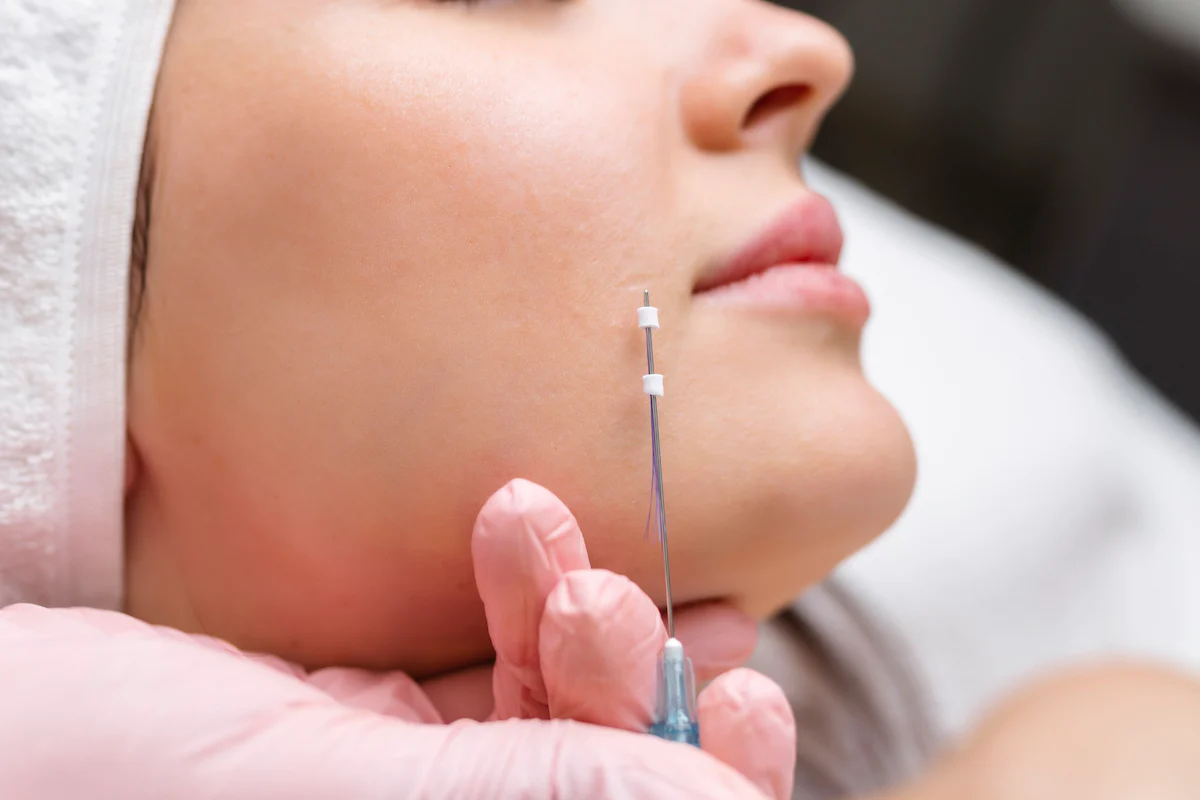
As minimally invasive facial rejuvenation grows in popularity, thread lifts are increasingly sought by individuals aiming for a lifted, youthful appearance without surgery. Many patients considering Thread Lift Treatment in Riyadh have questions regarding safety, effectiveness, recovery, and long-term results. Understanding the answers to these common queries helps patients feel confident and prepared for the procedure, ensuring optimal outcomes and satisfaction.
What Is a Thread Lift and How Does It Work:
A thread lift involves inserting fine, dissolvable threads beneath the skin to lift sagging tissue while stimulating collagen production. The threads can be smooth, barbed, or cogged depending on the desired effect. Once inserted, they anchor the skin, creating an immediate lifting effect while the body’s natural healing response generates new collagen over time. This dual mechanism results in firmer, more youthful skin with minimal downtime compared to traditional facelifts.
Who Is an Ideal Candidate:
Ideal candidates are typically individuals with mild to moderate skin laxity who seek subtle lifting without undergoing surgery. Those with good skin elasticity and realistic expectations achieve the best results. Candidates with severe sagging, significant excess fat, or underlying medical conditions may need alternative treatments. During consultation, practitioners evaluate skin type, aging concerns, and facial anatomy to determine whether a thread lift is appropriate.
Are Thread Lifts Painful:
Thread lift procedures are generally well-tolerated, as local anesthesia or numbing agents are applied to reduce discomfort. Patients may feel slight pressure or pulling during thread insertion, but pain is typically minimal. Post-procedure soreness, tenderness, or mild swelling may occur but usually resolves within a few days. Most patients describe the experience as far less invasive and painful compared to surgical facelifts.
How Long Do Results Last:
The longevity of thread lift results depends on the type of threads used, skin quality, and lifestyle factors. PDO threads usually last 6–12 months, PLLA threads may last up to 18 months, and PCL threads can last even longer. While threads dissolve naturally over time, the collagen produced during healing continues to provide skin support, maintaining a lifted appearance beyond the initial procedure.
What Are the Risks and Side Effects:
Thread lifts are considered low-risk, but some temporary side effects can occur, including:
- Mild bruising or swelling at insertion points
- Slight redness or tenderness
- Minor dimpling or unevenness immediately after treatment
- Rare complications may include infection, thread migration, or asymmetry. Choosing a skilled and experienced practitioner ensures proper technique, reducing risks and achieving natural-looking results.
How Long Is the Recovery Period:
Recovery is typically brief compared to surgical facelifts. Most patients can resume normal activities within 1–3 days, while strenuous exercise or facial manipulation should be avoided for 1–2 weeks. Mild swelling or bruising may persist for a few days. Following post-procedure care instructions, such as avoiding excessive facial movements and protecting the skin, helps ensure optimal healing and longevity of results.
Can Thread Lifts Be Combined with Other Treatments:
Yes, thread lifts can be combined with other non-surgical treatments to enhance results. Common complementary procedures include:
- Dermal fillers to restore lost volume
- Botox for dynamic wrinkle reduction
- PRP therapy to boost collagen and tissue regeneration
- Skin tightening treatments such as radiofrequency or ultrasound
- Combination treatments provide comprehensive facial rejuvenation, addressing both lifting and skin quality for more harmonious results.
Are the Results Natural-Looking:
Thread lifts are designed to provide subtle, natural improvements rather than dramatic changes. Properly placed threads lift and contour the skin without creating a “pulled” appearance. The stimulation of collagen over time further enhances skin firmness and texture, producing a refreshed, youthful look that maintains facial expression and harmony.
What Should Patients Do Before the Procedure:
Proper preparation helps ensure safe and effective treatment. Patients are generally advised to:
- Avoid blood-thinning medications and certain supplements a few days prior
- Stay well-hydrated and maintain healthy skin
- Arrange a consultation to discuss goals and medical history
- Have realistic expectations about outcomes
- Preparing adequately reduces risks, promotes smooth recovery, and helps achieve the best possible results from Thread Lift Treatment in Riyadh.
How to Maintain and Extend Results:
Long-term results can be maintained by taking care of skin health and scheduling touch-up treatments if needed. Recommendations include:
- Using sun protection to prevent UV damage
- Maintaining a healthy lifestyle with proper diet and hydration
- Following skincare routines that support collagen production
- Considering periodic follow-up thread lift sessions to sustain lift and rejuvenation
- Consistent maintenance ensures that the benefits of the procedure remain visible for an extended period, enhancing overall satisfaction.
Final Thoughts
Thread lifts offer a minimally invasive solution for individuals seeking subtle facial rejuvenation, providing both immediate lifting and long-term collagen stimulation. By understanding common patient questions—covering pain, recovery, results, and combination options—patients can approach Thread Lift Treatment in Riyadh with confidence and realistic expectations. Proper preparation, skilled practitioners, and post-procedure care ensure natural-looking, long-lasting results that enhance facial contours and skin quality without the downtime or risks associated with traditional surgery.