
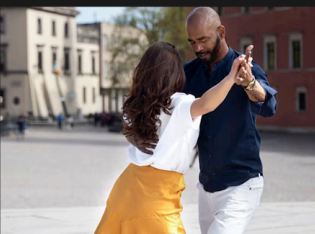
Sensual bachata offers a dynamic and expressive approach to dance, blending rhythm, body movement, and partner connection. Beyond the artistry, it delivers notable physical, mental, and social health benefits. Participants of all ages experience improvements that extend beyond the dance floor, affecting overall well-being.
For those attending advanced sensual bachata classes in Chicago, the physical engagement goes beyond basic steps. These classes challenge balance, coordination, and stamina while fostering mental focus and emotional expression. The combination of aerobic movement and controlled body motion enhances cardiovascular health, posture, and muscle tone, making it a holistic activity.
Cardiovascular and Physical Fitness Benefits
Dancing is an effective form of aerobic exercise, and sensual bachata offers an enjoyable path to fitness. Regular participation strengthens the heart, lungs, and overall endurance. Key benefits include:
- Heart health: Continuous movement elevates heart rate and circulation.
- Stamina: Repetitive footwork and turns gradually improve endurance.
- Weight management: High-energy routines burn calories efficiently.
- Strength building: Core, legs, glutes, and arms engage consistently during practice.
- Coordination and balance: Turns, spins, and partner work enhance motor skills.
The rhythmic nature of sensual bachata promotes full-body conditioning, offering both aerobic and muscle-strengthening benefits without the monotony of traditional workouts.
Enhancing Posture and Core Strength
Proper posture is crucial in sensual bachata, promoting elegance while preventing injury. The dance requires activation of the core and controlled body movements. Benefits include:
- Spinal alignment: Maintaining upright posture strengthens the back and reduces tension.
- Core engagement: Abdominal and lower back muscles activate constantly for balance and fluidity.
- Shoulder and hip control: Encourages graceful, controlled body motion.
- Balance and stability: Turns, spins, and partner transitions refine proprioception and coordination.
These improvements in posture translate into better daily habits, reducing back pain and enhancing confidence.
Mental Health and Cognitive Benefits
Sensual bachata classes stimulate mental well-being through focus, memory, and stress relief. The dance requires attention to rhythm, sequencing, and partner interaction, offering cognitive and emotional benefits:
- Stress reduction: Movement combined with music releases endorphins, lifting mood and reducing anxiety.
- Mental agility: Memorizing steps and sequences challenges memory and improves focus.
- Confidence and self-expression: Mastery of steps and body movement enhances self-esteem and social confidence.
- Mind-body connection: Synchronizing movements with music and a partner strengthens awareness and mindfulness.
Engaging the brain through rhythm and movement supports both mental clarity and emotional balance, creating a holistic wellness routine.
Social Health Benefits
Classes provide a social environment that fosters connection and teamwork. Dancing with partners encourages communication, trust, and empathy, while group settings create opportunities for building lasting relationships:
- Partner interaction: Develops non-verbal communication and lead-follow awareness.
- Community engagement: Group classes foster camaraderie and supportive networks.
- Improved interpersonal skills: Dance encourages cooperation, patience, and respect.
- Boosted mood: Social interaction combined with movement enhances happiness and satisfaction.
These social benefits complement the physical and mental advantages, making sensual bachata a well-rounded wellness activity.
Flexibility and Body Awareness
Sensual bachata emphasizes body movement, isolations, and flowing transitions. Students often notice increased flexibility and better body awareness:
- Hip and torso mobility: Improves range of motion and fluidity of movement.
- Muscle elasticity: Regular stretching and dynamic movements enhance muscle tone.
- Postural adjustments: Awareness of body alignment reduces strain and improves elegance.
- Controlled transitions: Smooth weight shifts and turns increase proprioception.
Enhanced flexibility reduces the risk of injuries and contributes to a graceful dance style that translates into daily movement efficiency.
Structured Progression for Health Benefits
Classes typically follow a progression that maximizes physical, mental, and social health:
- Warm-up: Loosens muscles, activates core, and prepares the body for movement.
- Basic steps practice: Reinforces rhythm, coordination, and foundational footwork.
- Body movement drills: Focus on torso, hip, and shoulder isolation to increase fluidity.
- Partner exercises: Enhance connection, timing, and cooperative movement.
- Turns and spins: Improve balance, muscle control, and confidence.
- Musical integration: Dancing to songs reinforces rhythm, timing, and expression.
- Cool-down and stretching: Reduces muscle tension and improves recovery.
This structured approach ensures students gradually enhance fitness, posture, rhythm, and social skills.
Common Mistakes and How to Avoid Them
Even experienced participants can benefit by avoiding common pitfalls:
- Skipping warm-ups or cool-downs: Increases risk of injury and limits stamina.
- Neglecting posture: Slouching reduces body control and elegance.
- Rushing steps: Overlooking repetition hinders rhythm development.
- Ignoring partner cues: Leads to misalignment and disruption in flow.
- Overexertion: Pacing oneself prevents fatigue and allows skill retention.
Being mindful of these issues ensures maximum health benefits and steady improvement.
Tips to Maximize Health Benefits
- Attend classes consistently to build stamina and coordination
- Pair dance practice with strength and flexibility routines
- Focus on breathing and core engagement for better control
- Rotate partners to challenge adaptability and social skills
- Practice rhythm exercises outside class for improved timing
Incorporating these practices strengthens physical conditioning, enhances rhythm, and boosts mental clarity.
FAQs
1. How do sensual bachata classes improve cardiovascular health?
The continuous footwork, spins, and turns increase heart rate and circulation, providing an aerobic workout that strengthens the heart and lungs while enhancing overall endurance.
2. Can beginners see fitness results quickly?
Yes. Even early classes engage multiple muscle groups and elevate heart rate, improving stamina, muscle tone, and balance with consistent practice over several weeks.
3. How does dance improve posture?
Classes emphasize spinal alignment, core engagement, and shoulder placement. Regular practice strengthens back and abdominal muscles, creating natural elegance and reducing postural strain.
4. Do sensual bachata classes reduce stress?
Yes. Movement combined with music releases endorphins and promotes relaxation, helping participants feel energized, happy, and mentally refreshed.
5. Are these classes suitable for all fitness levels?
Yes. Instructors adjust intensity and complexity to match participants’ abilities, allowing beginners and experienced dancers to progress safely.
6. How does partner dancing enhance coordination?
Dancing with a partner improves timing, spatial awareness, and body control, enhancing overall coordination and the ability to adapt to different movement patterns.
7. Can sensual bachata improve flexibility?
Yes. Hip, torso, and shoulder movements combined with dynamic stretches gradually increase range of motion and muscle elasticity.
8. Does dancing help with weight management?
Absolutely. Sensual bachata engages multiple muscle groups in a sustained aerobic activity, burning calories efficiently and supporting healthy weight maintenance.
9. How does musicality affect physical fitness?
Moving to rhythm improves timing, flow, and endurance, while enhancing neuromuscular coordination for fluid and controlled movements.
10. How frequently should someone attend classes for maximum health benefits?
Attending two to three classes per week, supplemented with home practice or cross-training, ensures noticeable improvements in cardiovascular health, posture, flexibility, and mental well-being.