
Introduction
The cannabis concentrate industry has grown as consumers become more interested in extraction methods, terpene profiles, product consistency, and laboratory testing. Modern concentrates come in different textures and forms, each offering a distinct chemical and physical profile. For consumers researching this market, understanding how extracts are produced and evaluated is an important part of making informed decisions. Product descriptions alone are not enough. Factors such as ingredient transparency, testing records, manufacturing standards, and legal compliance deserve careful attention.
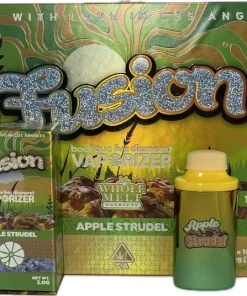
Whole Melts is a brand presented around the craft of cannabis extraction and the importance of preserving the plant's natural characteristics. Its stated approach combines traditional extraction knowledge with modern laboratory techniques, with attention to terpene preservation and product consistency. The brand's identity also highlights shatter slabs and high-terpene concentrate profiles. Understanding the ideas behind Whole Melts provides an opportunity to explore broader topics in the concentrate industry, including extraction quality, product authenticity, responsible use, and consumer awareness. These subjects matter to anyone researching cannabis concentrates in today's changing market.
Understanding the Whole Melts Brand and Its Vision
Whole Melts presents its identity around the relationship between extraction science and the natural characteristics of cannabis. Rather than focusing only on THC percentages, its stated philosophy gives attention to terpene profiles, consistency, and the overall chemical composition of extracts. Terpenes are naturally occurring aromatic compounds found in many plants, including cannabis. They contribute to distinctive scents and flavors, although their presence does not establish that a product is safe or provide proof of specific health effects. Understanding these compounds helps consumers learn why different cannabis extracts can have different chemical profiles.
The brand also emphasizes combining traditional industry knowledge with modern production methods. This reflects a wider development in the cannabis concentrate market, where manufacturers increasingly discuss extraction conditions, quality control, and laboratory analysis. Whole Melts describes its vision as maintaining attention to product consistency and transparency. These are important subjects in an industry where product labels and packaging may not always provide enough information. Consumers should look beyond branding and consider independently verifiable documentation when evaluating any cannabis concentrate. Clear information is more useful than marketing language when making responsible decisions.
The Science Behind Cannabis Concentrates and Terpene Profiles
Cannabis concentrates are products made by separating selected compounds from cannabis plant material. Different extraction methods can produce different textures, appearances, and chemical compositions. Shatter is one recognized concentrate form, often associated with a glass-like appearance and a firm texture. Other concentrates may have softer, waxier, or more crystalline structures. These differences can depend on several factors, including the starting material, processing conditions, and the compounds present in the final extract. Understanding these basic differences helps consumers recognize that concentrate appearance alone cannot determine quality or chemical safety.
Terpenes are another important subject when discussing modern cannabis extracts. These aromatic compounds contribute to the recognizable smells associated with different cannabis varieties. For example, some terpene profiles are associated with citrus-like, earthy, floral, or sweet aromas. Whole Melts highlights terpene preservation as part of its stated product philosophy. However, consumers should understand that a strong aroma or appealing flavor does not prove purity, safety, or medical benefit. Reliable laboratory results provide more useful information about a product's measured chemical composition. Learning about cannabinoids and terpenes can help people better understand product labels without relying on exaggerated claims.
Quality Control, Laboratory Testing, and Product Transparency
Quality control is an important concern throughout the cannabis concentrate industry. The starting plant material, manufacturing environment, processing standards, and final product testing can all affect product consistency. Whole Melts describes a quality approach that includes carefully sourced plant material, controlled extraction conditions, and an extended purification process. These are manufacturer-stated practices and should be supported by suitable records when consumers evaluate specific products. Responsible quality management requires more than attractive packaging or claims about advanced technology. It depends on clear procedures and reliable evidence.
Laboratory testing is particularly important because cannabis concentrates can contain unwanted substances if production controls are inadequate. Depending on local regulations, testing may examine cannabinoid content, residual solvents, pesticides, heavy metals, and microbial contamination. A certificate of analysis, commonly called a COA, can provide useful details about the tested sample. Consumers should check whether the report identifies the product and batch correctly, comes from a qualified laboratory, and includes relevant testing information. Whole Melts emphasizes laboratory analysis as part of its stated quality philosophy. However, consumers should always verify the actual documentation for a specific product rather than assuming that every item has identical test results.
Exploring Shatter Slabs, Product Identity, and Authenticity
Shatter slabs are a recognizable category within the cannabis concentrate market. Their glass-like structure and firm appearance make them different from softer concentrate varieties. Product descriptions may discuss texture, color, consistency, and chemical composition, but none of these characteristics can independently confirm purity. Visual appearance is especially limited because contaminants and unwanted compounds may not be visible. This is why product identification and laboratory documentation are more meaningful than appearance alone. Consumers researching the Whole Melts collection should understand the difference between a brand's stated product characteristics and independently verified product information.
Authenticity is another concern in the wider cannabis market. Counterfeit packaging, misleading product descriptions, and unverified online listings can make it difficult to determine whether an item genuinely comes from its claimed manufacturer. Whole Melts identifies brand authenticity and transparency as important parts of its business philosophy. Consumers should independently verify company information, applicable licenses, product documentation, and legal requirements before trusting a seller or website. Packaging alone should never be treated as proof of authenticity. Careful research and reliable documentation are important safeguards, particularly in markets where cannabis regulations and product standards differ between locations.
Responsible Consumer Education and Cannabis Safety
Consumer education should remain central to discussions about cannabis concentrates. Concentrated products can contain high levels of cannabinoids, including THC, which may cause impairment and unwanted effects. These effects can include anxiety, confusion, dizziness, and problems with attention or coordination. Concentrate products should not be assumed to be safer because they have been processed or tested. People should understand the risks associated with cannabis, avoid driving or operating machinery while impaired, and keep all cannabis products away from children and pets. Products should also be stored securely and according to applicable safety guidance.
Legal requirements are equally important. Cannabis laws differ between countries, states, and local jurisdictions, including rules about possession, use, manufacturing, and distribution. Consumers should understand the laws that apply where they live and avoid relying on information from sellers as a substitute for official regulations. Whole Melts describes community education and transparency as important parts of its brand vision. These principles are relevant to the wider industry because informed consumers need accurate information rather than unsupported health, safety, or performance promises. Responsible communication helps create a better understanding of cannabis concentrates and the standards that should guide their evaluation.
Conclusion
Understanding the cannabis concentrate market requires more than looking at product names, packaging, or advertised cannabinoid percentages. Extraction methods, terpene profiles, laboratory testing, manufacturing transparency, and legal compliance all play important roles in evaluating products. Shatter slabs and other concentrate formats have different physical and chemical characteristics, making it important to understand what product descriptions actually mean. Reliable documentation and independent testing are essential when assessing claims about quality and composition.
Whole Melts presents a brand identity built around extraction knowledge, terpene preservation, product consistency, and transparency. Its stated approach reflects several important topics within the modern concentrate industry. However, consumers should always look for verifiable batch-specific testing and understand the legal and health considerations associated with cannabis products. By focusing on education, responsible awareness, and accurate product information, consumers can develop a clearer understanding of the Whole Melts collection and the wider world of cannabis concentrates.