
Introduction
A successful family entertainment center starts with smart planning. Guests today expect more than a room filled with games and attractions. They want safe spaces, creative experiences, comfortable facilities, memorable themes, and activities that bring families together. This is why family entertainment center design should balance visual appeal, entertainment value, operational needs, and guest comfort from the beginning. A well-planned facility can create a strong identity while making it easier for visitors to move through the space and enjoy different attractions.
For companies developing indoor theme parks, cultural tourism projects, and themed commercial spaces, thoughtful planning can make a major difference. ESAC Art, also known as Elephant Sculpture Art Co., Ltd., provides one-stop services covering planning, design, construction, delivery, and operations. With experience across thousands of domestic and international projects, the company combines interior design, graphic design, illustration, landscape design, tourism planning, and sculpture art to create complete themed environments. This integrated approach helps turn an entertainment concept into a practical and engaging destination.
Start With a Clear Entertainment Concept
Every strong family entertainment center needs a clear concept before detailed design begins. The theme should reflect the intended audience, location, available space, expected visitor flow, and business goals. A concept could be based on adventure, fantasy, education, exploration, storytelling, science, nature, or another creative direction. When these ideas are established early, designers can create attractions, interiors, graphics, sculptures, and architectural features that feel connected rather than appearing as separate elements.
A clear concept also helps create an emotional connection with visitors. Children may respond to colorful environments and interactive attractions, while parents often value comfort, safety, visibility, cleanliness, and convenient facilities. Effective family entertainment center design considers these needs together. ESAC Art's experience in themed environments and environmental art can support projects where storytelling and physical space work together. From large attractions to smaller decorative elements, each part of the environment can contribute to a consistent guest experience.
Plan Guest Flow and Space Efficiently
Guest movement should be considered as an important part of the design process. Visitors should be able to understand where to enter, where to purchase tickets, where attractions are located, and how to reach essential facilities without confusion. Good circulation planning can reduce crowded areas and help staff manage busy periods. It can also make the entertainment center feel more spacious and comfortable even when the facility welcomes many guests.
Different activity zones should have enough separation while remaining easy to access. Play areas, interactive attractions, party rooms, food and beverage spaces, rest areas, reception zones, and service facilities can be arranged according to expected visitor behavior. Family entertainment center design should also consider sightlines so parents can supervise children where appropriate. ESAC Art's multidisciplinary design capabilities allow spatial planning, interior concepts, graphics, landscape elements, and themed art to be considered as parts of one larger environment.
Make Safety Part of the Design
Safety should be built into an entertainment center from the earliest planning stage rather than treated as an afterthought. Flooring, walkways, stairs, barriers, furniture, attraction layouts, lighting, emergency access, and material selection all influence the overall safety of a facility. Designers should also consider how children and adults use the space differently. Clear circulation routes and sensible zoning can make the environment easier to manage while supporting a positive visitor experience.
Operational planning is equally important. Staff need practical access to service areas, maintenance points, storage spaces, and equipment. A visually impressive facility still needs to function efficiently every day. For this reason, professional family entertainment center design should connect creative design with construction knowledge and operational requirements. ESAC Art's one-stop service model brings planning, design, construction, delivery, and operations together, helping project teams consider practical requirements throughout development.
Create Interactive and Memorable Experiences
Modern family entertainment centers can benefit from experiences that encourage participation rather than passive viewing. Interactive play zones, themed environments, creative installations, immersive storytelling, and educational attractions can give visitors more reasons to explore. The goal is not simply to fill available space with equipment. Instead, each attraction should contribute to a larger experience and encourage guests to discover something new as they move through the venue.
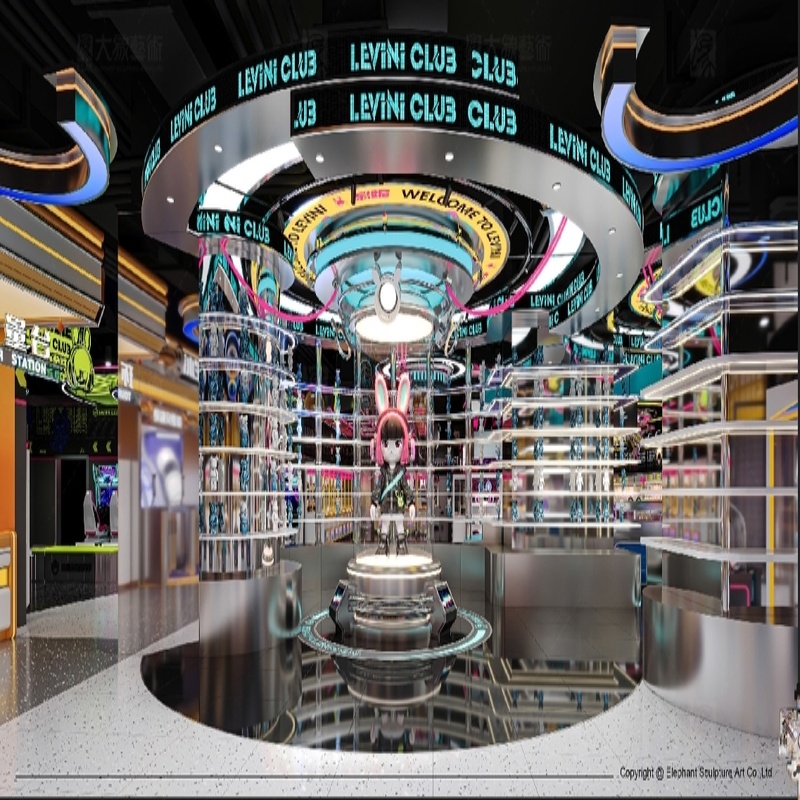
The visual environment can make these experiences even stronger. Themed sculptures, murals, custom graphics, architectural features, lighting concepts, and carefully selected decorative elements can establish a recognizable identity. ESAC Art has developed projects across theme parks, indoor amusement spaces, cultural tourism destinations, and themed commercial environments. Its experience with sculpture art and environmental art can help transform ordinary spaces into distinctive settings that support photography, storytelling, exploration, and repeat visits.
Design for Families and Long-Term Operations
A family entertainment center serves different age groups at the same time, so the environment should provide a balanced experience. Younger children may need dedicated play spaces, while older children may prefer more challenging attractions. Parents and other adults also need comfortable places to rest, watch activities, eat, or spend time together. A thoughtful design connects these different needs instead of focusing on only one visitor group.
Long-term operation should also influence design decisions. Durable materials, accessible maintenance areas, efficient layouts, flexible activity zones, and practical service spaces can help support the facility after opening. A successful project should remain useful as visitor expectations and entertainment trends change. ESAC Art's experience serving more than 2,000 professional clients and completing nearly 5,000 projects demonstrates the value of combining creative thinking with project delivery capabilities. Its international experience across markets in Europe, the Middle East, Southeast Asia, North America, and other regions also provides a broad perspective on themed commercial and cultural tourism projects.
Build a Complete Guest Experience
The strongest family entertainment center design does more than create attractive interiors. It builds a complete journey from the moment visitors arrive until they leave. Entrance design, signage, reception, attractions, themed zones, food areas, rest spaces, retail opportunities, and exit routes should work together. Consistent visual language can make the entire venue feel like one connected destination instead of a collection of unrelated rooms.
For developers and operators, this complete approach can make planning more efficient and create a stronger foundation for future growth. ESAC Art's one-stop platform covers planning, design, construction, delivery, and operations, making it possible to coordinate different stages of a project through an integrated approach. With a professional team covering interior design, graphic design, illustration, landscape design, tourism planning, and sculpture art, ESAC Art can help create themed environments that combine creative identity with practical functionality.
Conclusion
Smart family entertainment center design begins with a clear concept and continues through space planning, safety, interactive experiences, guest comfort, and long-term operations. Every design choice can influence how families move through a venue, interact with attractions, and remember their visit. When creative storytelling is combined with practical planning, an entertainment center can become a complete destination rather than simply an indoor activity space.
ESAC Art brings together planning, design, construction, delivery, and operations for cultural tourism and themed commercial projects. Its experience in environmental art, indoor theme parks, amusement spaces, cultural tourism, and themed environments provides a foundation for developing distinctive projects. By combining creative design with operational thinking, professional teams can create family entertainment destinations that are engaging, functional, and prepared for long-term use.