
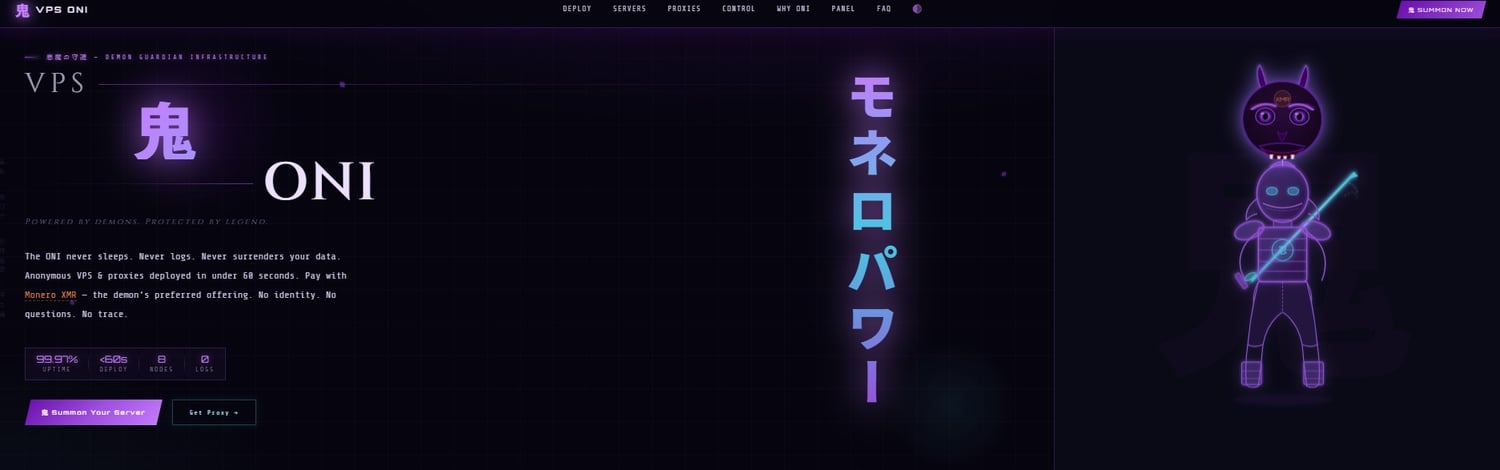
An anonymous VPS (Virtual Private Server) is a hosting solution designed for users who want greater privacy when running websites, applications, development environments, or other online services. A VPS provides dedicated virtualized resources on a physical server, while an “anonymous” VPS generally refers to a service that emphasizes minimizing the amount of personally identifying information associated with the hosting account and protecting user privacy.
As online privacy becomes increasingly important, businesses, developers, researchers, and individual users are paying more attention to how their hosting providers handle customer information. Choosing an anonymous VPS can be part of a broader privacy strategy, although it is important to understand that no VPS is completely anonymous.
What Is an Anonymous VPS?
A VPS divides a physical server into multiple isolated virtual environments. Each VPS normally receives its own operating system, allocated CPU, RAM, storage, and network resources. Users can install software and configure the server according to their requirements.
An anonymous VPS adds a privacy-focused approach to this traditional hosting model. Depending on the provider, this may involve limited registration information, privacy-conscious payment options, minimal data collection, and policies designed to reduce unnecessary exposure of customer information.
However, anonymous does not mean invisible. A hosting provider may still be required to collect certain information for legal, security, billing, fraud-prevention, or regulatory purposes. Users should therefore examine a provider's privacy policy and terms before assuming that a service offers complete anonymity.
Why Choose an Anonymous VPS?
There are several legitimate reasons someone might prefer a privacy-oriented VPS. Privacy-conscious website owners may want to separate their personal identity from a public-facing project. Developers may use private infrastructure for testing applications without exposing their home network. Businesses may want greater control over their infrastructure and data.
An anonymous VPS can also provide more control than ordinary shared hosting. With shared hosting, many customers use the same server environment and have limited control over configuration. A VPS typically provides administrator-level access, allowing users to install software, configure firewalls, manage databases, and customize the operating system.
For privacy-focused projects, this level of control can be particularly useful.
Key Features to Look For
When comparing an anonymous VPS provider, privacy should be only one part of the decision. Reliability, security, performance, and support are equally important.
1. Privacy-Friendly Registration
A privacy-oriented provider should clearly explain what customer information it collects and why. Look for transparent privacy policies rather than relying solely on marketing claims such as “100% anonymous.”
It is also useful to understand how long account records, payment information, technical logs, and support communications are retained.
2. Secure Infrastructure
Privacy means little if the server itself is poorly protected. Look for providers offering modern virtualization, network security, DDoS protection, regular infrastructure maintenance, and secure account-management systems.
Users should also secure their own VPS after deployment. A strong password, SSH key authentication, firewall configuration, software updates, and restricted administrative access are important fundamentals.
3. Flexible Operating Systems
A good VPS provider may offer Linux distributions such as Ubuntu, Debian, AlmaLinux, or other supported operating systems. The right choice depends on the software you plan to run.
Linux VPS environments are particularly popular among developers because they provide extensive customization and access to a large ecosystem of open-source tools.
4. Reliable Network Performance
Server location and network quality can have a major impact on performance. If your audience is concentrated in a particular region, choosing a VPS data center relatively close to those users can reduce latency.
Bandwidth limits, network speed, uptime history, and available IP configurations should also be considered.
5. Transparent Policies
A trustworthy provider should clearly explain its acceptable-use policy, privacy practices, refund rules, data-retention policies, and procedures for handling abuse complaints or legal requests.
This is especially important when evaluating an anonymous VPS because privacy claims can vary significantly between providers.
Anonymous VPS vs. Traditional VPS
The primary technical difference between a conventional VPS and an anonymous VPS is not necessarily the virtual server itself. Both may use similar virtualization technologies and provide comparable CPU, RAM, storage, and administrative access.
The distinction is usually centered around privacy and account information.
A traditional provider may require extensive customer information and use conventional payment and verification procedures. A privacy-focused provider may attempt to minimize unnecessary personal information and offer more privacy-conscious account practices.
Nevertheless, the exact difference depends on the provider. “Anonymous VPS” is not a standardized technical category, so customers should evaluate the actual policies rather than relying on the label.
Is an Anonymous VPS Really Anonymous?
This is one of the most important questions to ask.
The answer is generally no—not completely.
A VPS operates on an Internet-connected infrastructure. Network providers, data centers, payment processors, domain registrars, and other services may generate records associated with an account or server. Depending on the jurisdiction and circumstances, providers may also have legal obligations to retain or disclose certain information.
In addition, server administrators can unintentionally reveal identifying information through application logs, email headers, domain-registration records, misconfigured software, or other technical systems.
Therefore, an anonymous VPS should be viewed as a privacy-enhancing hosting option, not as a guarantee of absolute anonymity.
Common Uses for an Anonymous VPS
There are many legitimate applications for privacy-focused VPS hosting.
Developers can use VPS environments for application development, testing, automation, and staging. Website owners can host blogs, portfolios, forums, and business applications. Researchers can deploy controlled environments for legitimate technical experiments.
A VPS can also be used to run private databases, monitoring systems, development tools, VPN services where permitted, and other applications that benefit from dedicated virtual resources.
The important consideration is compliance with the provider's acceptable-use rules and applicable laws.
Security Still Matters
One common mistake is assuming that an anonymous VPS automatically provides strong security. It does not.
After obtaining a VPS, users should take responsibility for securing the server. Start by updating the operating system and removing unnecessary services. Use SSH keys where appropriate, disable unnecessary login methods, configure a firewall, and install security updates promptly.
Regular backups are equally important. Even a highly private server can suffer from hardware failures, accidental deletion, software bugs, or security incidents.
Monitoring system activity and reviewing authentication logs can also help identify unusual behavior.
How to Select the Right Provider
Before purchasing an anonymous VPS, compare providers based on several factors:
- Privacy and data-retention policies
- Registration and verification requirements
- Payment options
- Data-center locations
- CPU, RAM, and SSD/NVMe storage
- Bandwidth allowances
- IPv4 and IPv6 availability
- Backup options
- DDoS protection
- Customer support
- Server management options
- Refund and cancellation policies
- Legal jurisdiction
- Acceptable-use requirements
Do not choose a provider solely because it advertises itself as anonymous. A company with transparent policies and reliable infrastructure may be a better choice than one making exaggerated privacy promises.
Final Thoughts
An anonymous VPS can be a useful option for people who value privacy and want greater control over their online infrastructure. It combines the flexibility of VPS hosting with a stronger emphasis on minimizing unnecessary personal exposure.
However, users should understand the limits of anonymity. A VPS is not a magic tool that makes someone completely untraceable, and privacy depends on many factors beyond the hosting provider.
The best approach is to choose a reputable provider with transparent privacy practices, secure infrastructure, dependable performance, and clear policies. Then, combine that service with responsible server administration, strong authentication, regular updates, appropriate encryption, and good data-security practices.