
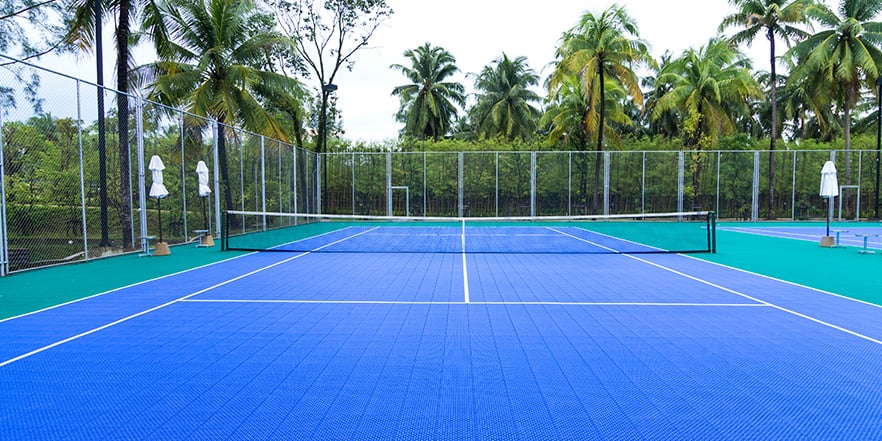
There’s something deeply satisfying about the echo of a tennis ball smacking against a racket, especially when you're out in the open, under a big sky. If you're a player—or even just a dreamer who imagines building their own slice of Wimbledon at home—then you’ve probably given some thought to what actually goes into creating a real, playable, durable tennis court materials. It’s not just about finding a flat surface and painting a few lines.
Nah, there's more to it.
And if you’re considering the idea—whether you're a private homeowner, school administrator, or part of a sports club—this isn’t a project to wing on a whim. Let's just say that laying down a tennis court is a bit more complicated than tossing some turf over the backyard.
The Romance and the Reality
There’s a kind of romance tied to tennis—probably because it’s equal parts elegance and endurance. That combination extends into the planning and construction of a court too.
You need more than just space. You need orientation (north-south is best, so players don’t get sun-blasted), drainage, fencing, lighting, and if you live somewhere with extreme weather, you’ve got to plan around that too.
And then there’s the surface.
Oh, the surface. This is where the real decisions begin.
Decoding the Surface Game
There’s no “best” surface for everyone. The right choice depends on who’s going to be playing, how often, what kind of maintenance you're up for, and—let’s be real—how much you’re willing to spend.
Some folks go classic with clay. It’s easier on the joints, slower in pace, and great for players who love long rallies. But it also needs regular rolling, brushing, watering—you name it. If you skip a few days of upkeep, you’ll know.
Then there’s asphalt or concrete, which are popular due to durability and low maintenance. These surfaces offer a consistent bounce and are typically more budget-friendly upfront.
Hard courts, especially acrylic-coated ones, tend to be the go-to for clubs and schools. They hold up well, can be customized for speed, and they look sleek too.
On the other end, synthetic grass and cushioned courts are gaining traction. They mimic natural surfaces but require less TLC. Ideal if you want the playing comfort without the full-time job of maintenance.
Each surface option comes with a list of pros and cons, which makes selecting the right outdoor tennis court one of the most crucial steps in the whole process.
Not Just About the Surface
While the top layer gets all the attention, what’s beneath it matters just as much—maybe even more.
It’s the sub-base that gives your court its strength and longevity. If that part’s done wrong, it’s like building a house on jelly. Cracks, dips, and drainage issues won’t take long to show up.
Gravel, crushed stone, or engineered bases layered just right can ensure your court doesn’t become a swamp after a heavy rain—or worse, develop structural issues down the road. If you’re thinking long-term, don’t skimp here.
And don’t forget about fencing. You want to spend more time rallying and less time chasing balls into the neighbor’s yard. Lighting’s also a worthy upgrade if evening games are on your agenda.
Maintenance: The Silent Factor No One Likes to Talk About
No one dreams of sweeping leaves or checking for cracks. But here’s the truth: maintenance plays a huge role in how long your court stays playable—and looking good.
Clay courts? You’ll be doing daily upkeep. Hard courts? Not so much, but they still need cleaning and occasional resurfacing.
If you’re building this court at home and don't have a maintenance crew on call, think practically. Go with a material you’re comfortable caring for.
A common mistake people make? Underestimating how nature fights back. Moss, leaves, standing water—these things can take a toll. Stay ahead of them, and your court will thank you.
More Than Just a Place to Play
When done right, an outdoor tennis court becomes more than just a place to hit balls—it turns into a little sanctuary.
Whether it’s for weekend matches with friends, practice sessions with your kid, or a personal fitness escape, the court ends up being a setting for stories, frustrations, victories, and lots of sweat.
It can even boost the value of your property and give your space a kind of presence. There's just something about a neatly kept court that says, “We take our leisure seriously.”
But it starts with good planning, the right location, and choosing materials that balance durability with playability.
Budgeting, Honestly
You might be surprised how much the costs vary. A basic court might run you $25,000 to $50,000, but the bells and whistles—lighting, fencing, premium materials—can push that well past $100,000.
And you know what? That’s okay.
Just go in eyes wide open. If you’re working with a pro, ask the hard questions. If you’re doing it yourself, triple-check everything. And if it feels overwhelming? Don’t rush it.
The best courts aren’t just built—they’re envisioned, debated over, and lovingly obsessed about. It’s a process. And like any good match, it rewards patience and persistence.
Wrapping It Up (No, Not in Netting)
Building a tennis court isn’t just a project. It’s a commitment to the game and to the moments that’ll happen there—whether it's friendly competition, silent practice sessions, or just a beautiful view from the patio.
Start with the right tennis court materials, make practical decisions about the surface and drainage, and never underestimate the power of good lighting and reliable fencing. These details? They’re what separate a backyard dream from a true, playable court.