
Electric bikes have quickly become one of the most popular transportation solutions for city dwellers, commuters, and recreational cyclists. By combining traditional cycling with electric assistance, electric bikes offer a unique blend of convenience, efficiency, and sustainability. Rising traffic congestion, higher fuel costs, and growing environmental awareness have fueled the global interest in electric bikes, making them a preferred option for people seeking practical and eco-friendly mobility.
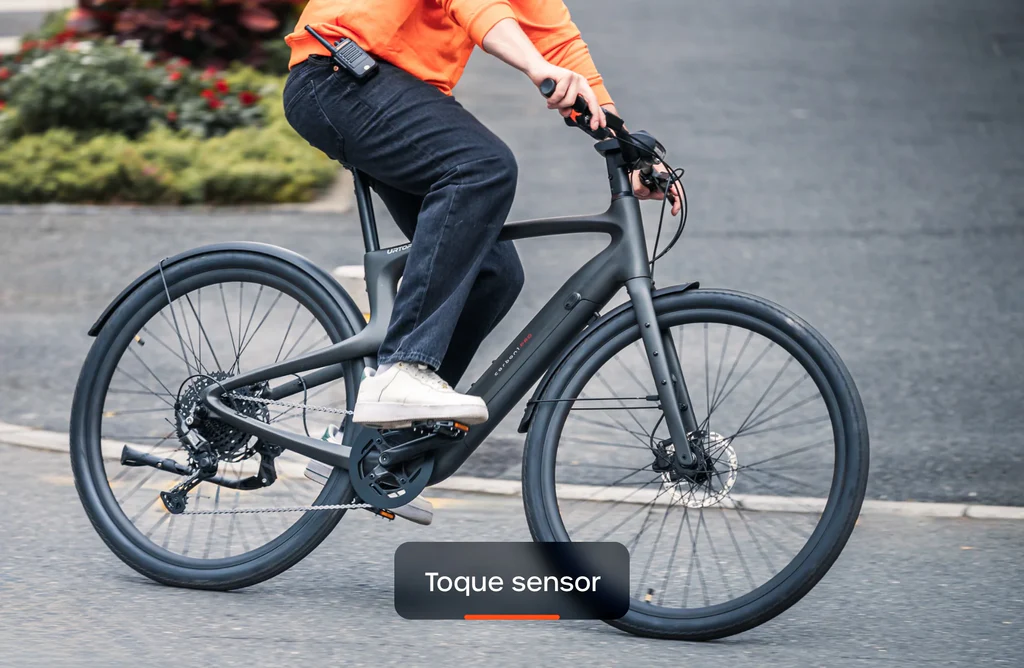
Unlike standard bicycles, electric bikes allow riders to travel longer distances and climb steep hills with ease, thanks to integrated motors and rechargeable batteries. This added convenience has expanded their appeal beyond fitness enthusiasts to professionals, students, and even older adults who want active yet effortless transportation.
Understanding the technology behind electric bikes
electric bikes function by integrating an electric motor, battery, and control system into a traditional bike frame. The motor assists pedaling, providing additional power when needed. Riders can adjust the level of assistance depending on their preference, terrain, or distance. Some models also feature a throttle, offering motorized acceleration without pedaling.
Modern electric bikes typically use lightweight lithium-ion batteries, which provide longer life, faster charging, and higher efficiency compared to older battery technologies. Battery capacity directly influences travel range, which generally varies from 30 to 80 miles per charge depending on terrain and riding style. The seamless coordination between motor and pedals ensures a smooth and natural cycling experience, even for first-time riders.
Comfort and convenience in daily rides
Comfort is a key factor contributing to the growing popularity of electric bikes. Riders can maintain consistent speed with less fatigue, making longer commutes or weekend rides more enjoyable. Adjustable assistance levels allow riders to personalize their experience, combining physical activity with effortless support.
Electric bikes also offer convenience in urban settings. They are easier to carry or park compared to motorcycles or cars, and many models can be folded or stored in tight spaces. This portability is particularly beneficial for apartment dwellers or those who frequently combine cycling with public transport.
Cost-effectiveness and long-term value
Investing in an electric bike can provide significant long-term savings. Unlike cars, require no fuel, lower maintenance, and minimal repair costs. Riders also avoid parking fees and insurance expenses, reducing overall commuting costs. High-quality electric bikes are durable, ensuring reliable performance for several years with proper care. For many, this combination of affordability and efficiency makes electric bikes an attractive alternative to traditional vehicles.
Environmental benefits of electric bikes
Electric bikes contribute positively to the environment by reducing reliance on cars and minimizing carbon emissions. Zero direct emissions from electric bikes help improve air quality in densely populated cities. When paired with renewable electricity sources, these bicycles become an even greener mode of transport. The lightweight materials used in modern electric bikes, such as aluminum and carbon fiber, further reduce the ecological impact of production.
As more commuters adopt electric bikes, cities can gradually reduce traffic congestion, noise pollution, and overall carbon footprint. This makes electric bikes not only a practical choice for individuals but also a strategic tool for promoting sustainable urban development.
Health advantages associated with electric bikes
Although electric bikes provide motor assistance, they still encourage physical activity. Riders engage in pedaling, which supports cardiovascular health, muscle strength, and endurance. The motor assistance allows longer rides without causing excessive fatigue, making electric bikes suitable for a wide range of fitness levels.
Mental health benefits are also significant. Regular outdoor cycling can reduce stress, enhance mood, and improve overall well-being. For many, replacing a stressful car commute with a relaxing electric bike ride contributes to a healthier and more balanced lifestyle.
Types of electric bikes for different needs
Electric bikes are available in a variety of designs to suit different riding requirements. City e bikes focus on comfort and efficiency for daily commuting and errands. Mountain electric bikes are engineered with strong frames and suspension systems to handle off-road trails. Folding electric bikes offer compact portability for urban dwellers and travelers. Cargo electric bikes are designed to carry groceries, equipment, or even children, providing a car-free solution for family and business needs. This versatility ensures that electric bikes meet the diverse demands of modern riders.
Technological innovation in electric bikes
The electric bike industry continues to evolve rapidly, with innovations enhancing performance, safety, and user experience. Smart displays and app connectivity provide real-time information about speed, battery life, and distance traveled. Improvements in battery technology deliver longer ranges and shorter charging times, while lighter frame materials improve handling and efficiency. These advancements make electric bikes increasingly accessible, practical, and enjoyable for riders across all age groups.
Future trends in electric bike adoption
Electric bikes are poised to play a central role in urban transportation in the coming years. As cities invest in cycling infrastructure, including bike lanes and parking solutions, electric bikes will become even more convenient and mainstream. Technological improvements, government incentives, and growing environmental awareness are expected to accelerate their adoption worldwide. Riders can expect more lightweight designs, longer battery ranges, and smart features that seamlessly integrate with daily life.
Conclusion
Electric bikes represent a powerful combination of convenience, sustainability, and efficiency. They offer practical solutions for urban commuting, recreational riding, and environmentally conscious transportation. With benefits ranging from improved health and reduced expenses to positive environmental impact, electric bikes are reshaping modern mobility. As technology advances and cities embrace greener alternatives, electric bikes are set to become an essential part of everyday travel, making them a smart investment for the future.