
An ergonomic office chair has become a fundamental part of modern workplaces, offering the perfect blend of comfort, support, and functionality. As professionals spend increasing hours at desks—whether in corporate offices or home setups—the importance of proper seating cannot be overstated. An ergonomic office chair is specifically designed to support the natural posture of the body, reduce physical strain, and improve overall well-being. Unlike traditional chairs, these chairs focus on aligning the spine, promoting comfort, and preventing long-term musculoskeletal issues.
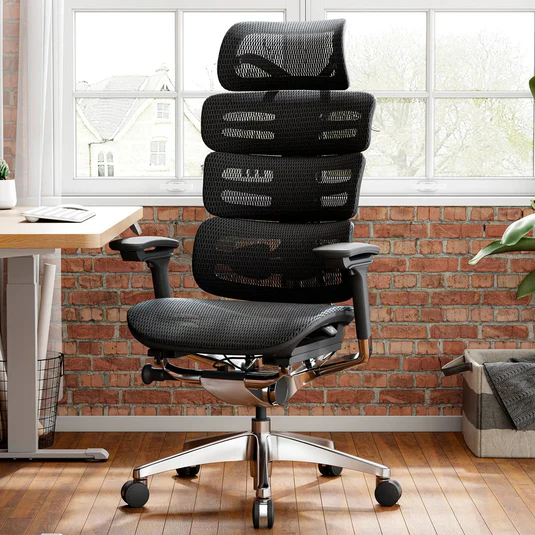
The modern workforce recognizes that investing in high-quality seating is not just about luxury but about maintaining health and productivity. From adjustable features to advanced design elements, ergonomic office chairs provide a tailored seating experience that adapts to individual needs. This growing awareness has made ergonomic chairs a preferred choice for anyone seeking a comfortable and efficient work environment.
Ergonomic Office Chair Benefits in Daily Work
Ergonomic office chairs offer numerous benefits that directly impact daily work life. One of the primary advantages is enhanced posture support. With adjustable lumbar support, seat height, armrests, and backrest angles, these chairs allow users to maintain a neutral spine alignment throughout the day. Proper posture helps prevent back pain, neck strain, and fatigue that often result from long hours of sitting.
Comfort is closely linked to productivity, and an ergonomic office chair addresses this effectively. By minimizing physical discomfort, users can focus more efficiently on their tasks, whether completing reports, designing projects, or participating in virtual meetings. The reduction of strain and tension improves concentration, which ultimately enhances overall work performance.
Ergonomic chairs also promote better circulation, which is often overlooked in office environments. Standard chairs can restrict blood flow, leading to fatigue and discomfort, whereas ergonomic designs distribute weight evenly and reduce pressure on key areas. This encourages healthy movement and helps sustain energy levels throughout the workday.
In addition, ergonomic office chairs often incorporate breathable materials and high-quality padding to enhance comfort. Mesh backrests, for instance, allow airflow and prevent heat buildup, while cushioned seats provide long-lasting support. This combination ensures that individuals remain comfortable even during extended periods of sitting.
Ergonomic Office Chair Features and Design
The unique design of an ergonomic office chair is what sets it apart from conventional seating. Adjustability is a critical feature, allowing users to modify seat height, backrest tilt, armrest position, and sometimes even headrest angle to fit their body perfectly. This level of customization ensures that the chair can accommodate a wide variety of body types and desk configurations.
Lumbar support is a defining element of an ergonomic office chair. Maintaining the natural curvature of the spine reduces the risk of chronic back problems and enhances overall comfort. Many chairs also offer additional features such as adjustable seat depth and contoured cushions to provide extra support for the hips and thighs, promoting healthy posture and circulation.
Swivel mechanisms and smooth-rolling casters contribute to mobility and convenience, allowing users to reach different areas of their workspace without unnecessary twisting or stretching. These features, combined with sturdy construction and durable materials, make ergonomic office chairs a long-term investment in workplace health and comfort.
Aesthetic appeal is another consideration in modern ergonomic office chair design. Chairs are available in various colors, finishes, and styles, enabling them to complement both professional office setups and home workspaces. This combination of functionality and visual appeal has contributed to the widespread adoption of ergonomic office chairs in diverse work environments.
Ergonomic Office Chair Impact on Workplace Productivity
The influence of an ergonomic office chair extends beyond comfort; it directly affects workplace productivity. When employees or remote workers are seated in supportive and well-designed chairs, they experience less fatigue, tension, and distraction. This leads to more focused work, higher efficiency, and better overall performance.
Organizations increasingly recognize the benefits of ergonomic office chairs for employee satisfaction and retention. Providing high-quality seating reduces the likelihood of posture-related discomfort, absenteeism, and long-term health issues. A healthier, more comfortable workforce is naturally more engaged and productive, highlighting the value of ergonomic investment in professional settings.
For remote workers, an ergonomic office chair is equally essential. Creating a dedicated, supportive workspace at home enhances efficiency and maintains proper posture. A comfortable seating arrangement encourages consistent work habits and promotes both mental and physical well-being, demonstrating the practical benefits of investing in ergonomic solutions.
In addition to physical comfort, the psychological benefits of an ergonomic office chair contribute to productivity. Sitting in a supportive, aesthetically pleasing chair creates a sense of ease and confidence, reducing stress and enhancing overall work experience. This mental comfort complements the physical advantages, making ergonomic seating a critical element of modern work life.
Ergonomic Office Chair as a Long-Term Investment
Investing in an ergonomic office chair is a decision that provides long-term value for both health and productivity. High-quality ergonomic chairs are designed to last, offering durability and sustained support over many years. While the initial cost may be higher than standard office chairs, the benefits far outweigh the expense, especially in terms of reduced physical strain and increased efficiency.
A significant advantage of an ergonomic office chair is the prevention of posture-related health issues. Chronic back pain, neck tension, and musculoskeletal problems can be minimized with proper support, reducing the need for medical interventions and promoting overall well-being.
Maintenance is simple, ensuring that ergonomic chairs retain their comfort, functionality, and appearance over time. Many models are built with eco-friendly materials, aligning with the increasing demand for sustainable and responsible furniture choices.
Ergonomic office chairs are also highly adaptable, making them suitable for various work environments. Whether used in corporate offices, home offices, or co-working spaces, these chairs continue to provide optimal support and comfort. Their versatility ensures that they remain relevant as work setups evolve, making them an indispensable part of a productive workspace.
Conclusion
Ergonomic office chairs have revolutionized the modern work environment by offering a perfect balance of comfort, functionality, and support. They enhance posture, reduce strain, improve circulation, and contribute to higher productivity, making them essential for anyone who spends long hours seated. From office professionals to remote workers, the benefits of ergonomic seating are clear and far-reaching.