
A desk treadmill has become a popular fitness solution for people who want to stay active while working, studying, reading, or completing other everyday tasks. Unlike a traditional treadmill designed mainly for running, a desk treadmill is usually compact, lightweight, and designed for walking at a comfortable pace. It can fit beneath a standing desk or be used with a compatible workstation, allowing users to add more movement to their daily routine without setting aside a large amount of time for exercise.
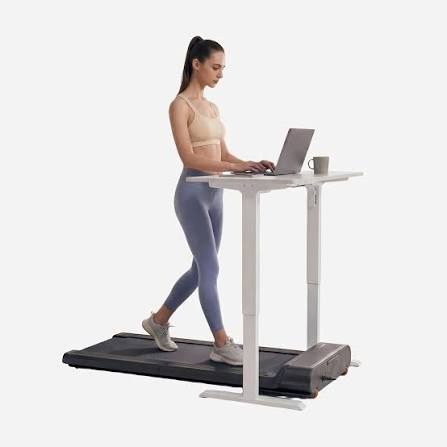
Modern lifestyles often involve long hours of sitting in front of a computer. Remote workers, students, freelancers, and office professionals may spend much of the day at a desk with limited opportunities for physical activity. A walking pad treadmill or compact desk treadmill provides an alternative by allowing gentle walking during suitable work activities. Instead of replacing a dedicated workout, it can complement a person's regular fitness routine by increasing everyday movement.
The growing interest in under desk treadmill models has also encouraged manufacturers to develop quieter, slimmer, and more space-efficient machines. Many models can be stored under furniture when not in use, making them particularly useful for apartments, bedrooms, home offices, and small workspaces.
Desk Treadmill Features for Modern Workspaces
A desk treadmill is generally designed around convenience and portability. Traditional treadmills often include large frames, elevated handrails, extensive control panels, and running-focused features. A compact treadmill for walking usually has a lower profile and a smaller footprint, making it easier to place underneath a standing desk.
One of the most important features of an under desk treadmill is its walking surface. Since the primary purpose is usually light walking rather than high-speed running, the belt is designed for controlled movement at lower speeds. Users can choose a comfortable pace depending on their work requirements, fitness level, and available space.
Noise is another important consideration. A quiet desk treadmill can be especially useful in offices, shared rooms, and home workspaces. Excessive motor or belt noise can interfere with meetings, calls, studying, or concentration. Modern walking treadmills often focus on quieter operation so users can incorporate movement without creating significant background noise.
Portability can also make a difference. A lightweight portable desk treadmill can be moved between rooms or stored when the workspace needs to be converted back into a normal living area. Some models include wheels or handles that make repositioning easier.
The size of the treadmill should match the available workspace. A compact walking pad may be ideal for a small home office, while a wider model may provide more walking space and comfort. Before purchasing, users should consider the treadmill's dimensions as well as the space around it.
Desk Treadmill Benefits for Work and Fitness
One of the biggest advantages of a desk treadmill is that it can make movement easier to incorporate into a busy schedule. Many people struggle to dedicate a separate period of the day to exercise because of work, study, family responsibilities, or other commitments. Walking while performing suitable low-focus tasks can provide an additional opportunity for physical activity.
A walking treadmill for office use can be particularly useful for activities such as reading emails, reviewing documents, attending audio meetings, or performing routine computer work. However, tasks that require precise mouse control, intense concentration, or frequent movement between locations may be less suitable for walking at the same time.
Regular walking can also make a workstation feel more dynamic. Instead of remaining seated for extended periods, a person can alternate between sitting, standing, and walking throughout the day. This approach can help create a more movement-friendly work environment.
For people working from home, a desk treadmill for home office can be an appealing option because it combines two common spaces: the workstation and the exercise area. A compact walking pad can remain underneath a standing desk during work hours and then be moved or stored afterward.
Another advantage is convenience. A traditional gym workout requires preparation and often travel, while a desk treadmill can be available directly in the home or office. This convenience may make it easier for users to build more movement into their everyday routines.
Choosing a Desk Treadmill for Comfortable Walking
Selecting the right desk treadmill requires attention to several practical factors. The machine should match the user's available space, preferred walking speed, noise requirements, and workstation arrangement. A treadmill that looks attractive but does not fit properly beneath a desk may become difficult to use consistently.
The maximum speed is particularly relevant. People purchasing an under desk walking pad generally need a comfortable walking range rather than high running speeds. A suitable speed depends on the user's activity and the type of work being performed. Slower walking may be preferable during typing or detailed computer tasks, while a slightly faster pace may work better during activities that require less concentration.
The walking belt should also provide sufficient room for natural movement. A very narrow or short walking surface may feel restrictive, especially for taller users or people with longer strides. A comfortable belt can make extended walking sessions feel more natural.
Weight capacity is another consideration. Every compact treadmill for walking has a specified maximum user weight, and selecting a model with an appropriate capacity can support stable and reliable operation. The construction of the frame, motor, belt, and deck can also influence durability.
A standing desk should be compatible with the treadmill as well. The desk needs to provide enough height and legroom so that the user can maintain a comfortable posture while walking. An adjustable standing desk can be especially useful because it allows the workstation height to be changed according to the user's position.
Storage is also worth considering. People living in smaller spaces may prefer a foldable desk treadmill or slim walking pad that can be stored underneath a sofa, bed, or other suitable furniture when not in use. This can make the equipment more practical for apartments and multifunctional rooms.
Conclusion
A desk treadmill can be a convenient way to introduce more walking into a modern work or study routine. Its compact design, walking-focused performance, and compatibility with standing desks make it suitable for home offices, workplaces, apartments, and other limited spaces. Rather than replacing traditional exercise completely, a desk treadmill can complement an active lifestyle by creating additional opportunities for movement throughout the day.
When choosing a model, users should consider walking surface size, motor performance, noise level, portability, weight capacity, speed range, and compatibility with their desk. A well-selected under desk treadmill can provide a practical balance between productivity and physical activity.