
A pneumatic bursting strength tester is an advanced testing instrument designed to measure the ability of different materials to withstand increasing pressure before rupture or structural failure occurs. This type of equipment is widely used in manufacturing facilities, research laboratories, and quality control departments where material durability and consistent performance are essential. Paper, cardboard, textiles, flexible packaging, leather, and similar materials can be evaluated using reliable bursting strength testing equipment.
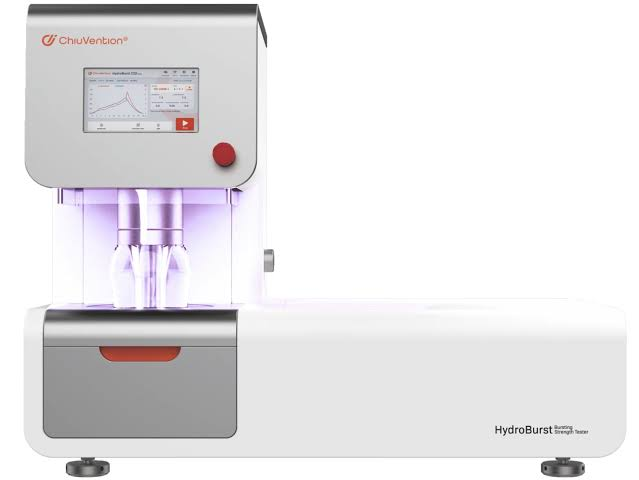
The importance of material testing has grown significantly as industries focus on producing stronger, safer, and more dependable products. A material may appear suitable during a visual inspection but still contain hidden weaknesses that affect its performance under pressure. A pneumatic bursting strength tester provides measurable information that allows manufacturers to evaluate these characteristics before materials are used in large-scale production.
Pneumatic testing technology uses controlled air pressure to create a consistent testing environment. The pressure is applied gradually to a properly secured sample until the material reaches its maximum resistance level. The recorded value provides useful information about the bursting strength and pressure resistance of the sample. This approach can help manufacturers understand the performance limits of different materials and maintain more consistent quality standards.
A reliable bursting strength tester can support both routine quality inspections and product development. By comparing results from different material batches, manufacturers can identify variations and make informed decisions about raw materials, production processes, and finished product quality.
Pressure Testing and Accurate Performance Results
The performance of a pneumatic bursting strength tester depends on its ability to apply pressure accurately and consistently. During a burst strength test, the sample is held securely in place while controlled pressure is introduced. As the pressure increases, the material expands and experiences stress until it reaches the point where it can no longer maintain its structure. The maximum pressure achieved during the test is used as an indicator of material strength.
Accurate testing results are important because they provide a reliable basis for quality control decisions. Modern pneumatic testing equipment can offer precise pressure control and clear measurement readings. This helps laboratories achieve repeatable results and compare the performance of multiple samples under similar conditions.
Several factors may influence bursting strength. Material thickness, composition, flexibility, surface quality, moisture content, and manufacturing consistency can all affect the result. For this reason, careful sample preparation is essential. Samples should represent the actual material used in production and should be tested using consistent procedures.
A pneumatic burst test machine can be especially useful when evaluating flexible materials that experience pressure from more than one direction. Unlike testing methods that apply force primarily through pulling, bursting strength testing evaluates the response of a material across a defined surface area. This provides valuable information about overall structural durability.
For manufacturers, accurate burst strength data can help identify materials that meet performance expectations and separate them from materials that may require improvement. Regular testing can also reveal gradual changes in production quality, allowing businesses to address potential issues before they result in product failures.
Industrial Applications and Quality Control
The pneumatic bursting strength tester has applications across several industries because many products and materials must withstand pressure during manufacturing, handling, transportation, or everyday use. In the paper and packaging sector, bursting strength testing helps manufacturers evaluate whether materials have sufficient durability for demanding applications.
Paperboard and packaging materials may experience compression and physical stress throughout the supply chain. A paper bursting strength tester can provide useful information about the ability of these materials to resist pressure. Consistent testing supports better material selection and helps manufacturers maintain dependable packaging quality.
The textile industry also benefits from pneumatic burst testing. Fabrics, particularly flexible and stretchable materials, may experience forces from multiple directions during normal use. A fabric bursting strength tester can evaluate the durability of these materials and provide data that supports quality assurance and product development.
Leather and other flexible materials can also be examined using suitable pressure testing equipment. The test results can help manufacturers compare material grades and monitor consistency between production batches. Since natural and manufactured materials may vary in their physical properties, objective testing data can provide greater confidence than visual inspection alone.
Quality control teams use burst strength testing as part of a broader material evaluation process. Testing materials before they are incorporated into finished products can reduce waste and lower the risk of expensive quality problems. A pneumatic testing system provides objective data that can support faster and more informed decisions throughout the manufacturing process.
Regular testing also contributes to continuous improvement. When manufacturers collect and review test data over time, they can identify patterns that may indicate changes in raw materials or production conditions. This allows companies to improve process control and maintain a stable level of product quality.
Modern Pneumatic Technology and Testing Efficiency
Modern pneumatic bursting strength testers are designed to combine accuracy with efficient operation. Pneumatic systems can provide controlled pressure application, helping operators perform tests under consistent conditions. Advanced models may include digital displays and automated measurement features that make it easier to monitor results.
The reliability of testing equipment depends on proper maintenance and calibration. Pressure sensors and related components should be inspected regularly to ensure that measurements remain accurate. A well-maintained material strength testing machine can provide dependable results for an extended period and support effective quality management.
Testing efficiency is also important for manufacturers that process large volumes of samples. Equipment that provides clear controls and repeatable operation can help quality teams complete testing procedures more efficiently. Digital data collection can further improve the process by making it easier to record and review material performance.
Environmental conditions can influence certain materials during testing. Temperature and humidity may affect the strength and flexibility of paper, textiles, polymers, and similar products. Maintaining suitable testing conditions helps improve result consistency and allows manufacturers to gain a clearer understanding of actual material performance.
Investing in a dependable pneumatic burst strength testing machine can provide long-term value for businesses focused on quality and reliability. The equipment can help identify material weaknesses early, reduce unnecessary production losses, and support the development of stronger products.
As manufacturing standards continue to evolve, the need for precise and efficient testing equipment is likely to increase. Pneumatic technology offers manufacturers a practical solution for evaluating pressure resistance while supporting consistent quality control practices.
Conclusion
A pneumatic bursting strength tester is a valuable testing instrument for measuring the durability, pressure resistance, and overall structural performance of flexible materials. By applying controlled pneumatic pressure until a sample reaches its maximum resistance level, the equipment provides manufacturers with important data for quality assurance and product development.
Industries such as paper, packaging, textiles, leather, and flexible material manufacturing can benefit from regular bursting strength testing. Accurate results allow businesses to monitor material consistency, identify potential weaknesses, and make better decisions about production quality.