
A rollator walker is a popular mobility aid designed to provide support, stability, and comfort for people who need assistance while walking. It is commonly used by seniors and individuals who experience difficulty with balance, reduced strength, or limited mobility. Unlike a traditional walking frame that often needs to be lifted during movement, a rollator usually has wheels that allow it to move smoothly across different surfaces.
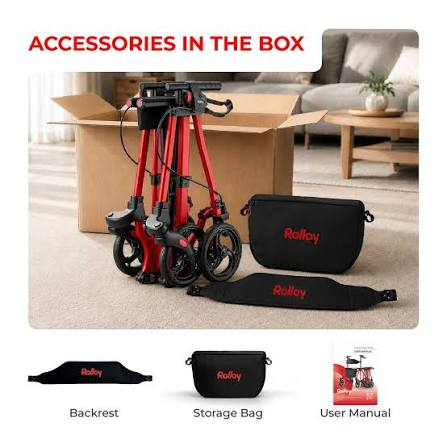
Modern mobility equipment has become increasingly practical and comfortable. A rollator walker can include useful features such as ergonomic handles, easy-to-use brakes, storage bags, baskets, and comfortable seats. These features make the walking aid suitable for everyday activities both inside and outside the home.
For many people, maintaining independence is an important part of daily life. Simple activities such as walking through the home, visiting family, shopping, attending appointments, or enjoying outdoor spaces can become more difficult when mobility changes. A reliable rolling walker can provide additional support and help users feel more confident while moving.
Different types of walkers are available to meet different needs. Some users prefer a lightweight rollator because it is easier to transport, while others may need a stronger and more durable mobility walker. Folding designs are also popular because they can be stored conveniently and transported in a vehicle.
Choosing the right walking support can make a meaningful difference in everyday comfort. A properly selected rollator can provide smoother movement while helping the user remain active and involved in regular routines.
Comfortable Walking Experience
One of the most important advantages of a rollator walker is the comfort it can provide during movement. Traditional walkers can require users to repeatedly lift the frame and place it forward before taking another step. A walker with wheels allows smoother movement because the frame rolls forward as the user walks.
Many modern rollators feature four wheels that provide a stable and balanced design. The user holds the handles while walking behind the frame and can control the movement with hand-operated brakes. This design makes the mobility aid easier to manage during regular activities.
Comfortable handles are an important part of the walking experience. Many rollators include adjustable handlebars that can be positioned according to the user's height. Proper handle adjustment can support better posture and make the walker more comfortable during longer periods of use.
A rollator walker may also include a padded seat. This feature is especially useful for people who become tired while walking longer distances. The user can stop, secure the brakes, and take a short rest before continuing. Having a convenient place to sit can make shopping trips, outdoor walks, and visits to public locations more comfortable.
Storage is another useful feature found on many mobility walkers. A basket, bag, or pouch can provide space for personal belongings and small everyday items. This can be helpful because users often need both hands available to comfortably control their walker.
The combination of wheels, brakes, handles, and optional seating makes a rollator more than a simple walking aid. It can become a practical companion that supports mobility throughout different parts of the day.
Freedom for Daily Activities
A rollator walker can help many people enjoy greater freedom and independence. Limited mobility sometimes causes individuals to reduce their physical activity because they are concerned about balance, fatigue, or walking long distances. A reliable mobility walker can provide additional confidence and make daily movement feel more manageable.
Using a rolling walker may allow someone to continue participating in activities they enjoy. Walking through a local market, visiting friends, spending time outdoors, and attending social events can become easier when reliable walking support is available.
The ability to rest is another reason many people choose a walker with a seat. Long walks can sometimes be tiring, especially when there are limited places to sit nearby. A rollator with a built-in seat provides a convenient option for short breaks.
A folding rollator walker can also support an active lifestyle because it is easier to transport. Many foldable designs can be placed inside a car, making it possible to take the mobility aid to different locations. This can give users greater flexibility when traveling or visiting family members.
Outdoor mobility is another important consideration. Some rollators are designed with larger wheels that can provide smoother movement on sidewalks and outdoor paths. A durable outdoor walker can make parks and other public spaces easier to enjoy.
For many seniors, independence is closely connected with confidence. When people feel more secure while walking, they may be more willing to participate in everyday routines. A properly fitted rollator walker can provide physical support while also helping users feel more comfortable moving through familiar and unfamiliar environments.
Modern rollators can also be useful inside the home. Compact designs can move through hallways and living spaces while providing support during everyday movement. The right size and design can make a mobility aid practical for regular indoor use.
Choosing the Right Rollator
Selecting a suitable rollator walker is important because every user has different mobility needs and preferences. The ideal design should provide comfortable support while matching the person's lifestyle and the places where the walker will be used.
The weight of the mobility walker is often an important factor. A lightweight rollator can be easier to move, lift, and transport. This may be helpful for people who frequently travel by car or need to store the walker in different locations. A stronger frame may be preferred by users who require additional support and stability.
Wheel size can influence the performance of a rollator. Smaller wheels may be suitable for smooth indoor surfaces, while larger wheels can be useful for outdoor paths and uneven areas. People who regularly spend time outside may prefer a model designed for outdoor mobility.
The braking system should also be easy to understand and use. Hand brakes allow users to control movement and keep the walker stable when necessary. If the rollator includes a seat, the brakes are particularly important for securing the mobility aid before resting.
Handle height should be comfortable for the user. Adjustable handles can help create a more natural walking position. A rollator that is not properly adjusted may feel uncomfortable and more difficult to control.
Storage space can also improve everyday convenience. People who carry personal belongings, shopping items, or important daily essentials may benefit from a rollator with a basket or storage bag. This allows the user to keep necessary items nearby while maintaining control of the walker.
The environment where the rollator will be used should always be considered. A compact walker may be suitable for narrow indoor spaces, while a larger and more durable model may be better for frequent outdoor use. Selecting the right design can improve comfort and make the mobility aid easier to use every day.
Conclusion
A rollator walker can be a valuable mobility solution for people who want additional support while remaining active and independent. With smooth-rolling wheels, comfortable handles, reliable brakes, storage options, and available seating, modern rollators offer practical features for everyday life.
Different designs are available for indoor use, outdoor activities, travel, and daily routines. Lightweight rollators, folding walkers, four-wheel walkers, and rollators with seats can all provide different benefits depending on the user's needs.