
A straight, healthy smile can make a meaningful difference in both appearance and everyday oral health. Braces are one of the most established orthodontic treatments for correcting teeth that are crowded, crooked, widely spaced, or improperly aligned. By applying controlled pressure over time, braces gradually guide the teeth into improved positions and can also help address certain bite concerns.
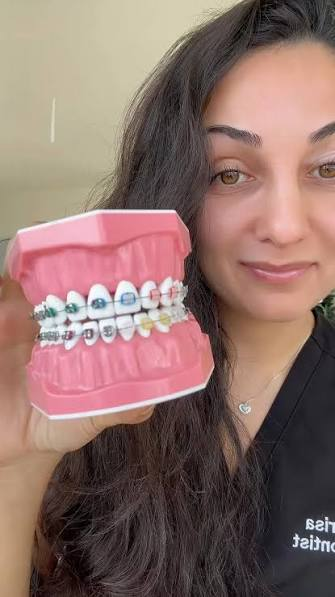
Modern orthodontics has developed beyond the traditional image of noticeable metal brackets and wires. Today, patients may have access to traditional metal braces, ceramic braces, clear braces, and other orthodontic solutions depending on their individual dental needs. Although treatment methods may differ, the main purpose remains the same: improving tooth alignment and supporting a more balanced bite.
Choosing orthodontic treatment begins with a professional dental evaluation. An orthodontist can examine the teeth, gums, jaw structure, and bite before recommending an appropriate treatment plan. This personalized approach is important because every patient's smile and orthodontic requirements are different.
Braces for Better Tooth Alignment
Braces work by applying gentle and controlled forces to the teeth. Traditional braces use brackets attached to the teeth and an orthodontic wire that connects them. Over time, the orthodontist makes adjustments that help guide the teeth toward their planned positions. Small elastic bands may also be used depending on the treatment requirements.
Braces can be used for several common orthodontic concerns. Crowded teeth may occur when there is insufficient space within the dental arch, causing teeth to overlap or rotate. Orthodontic treatment can gradually create a more organized alignment. Braces can also help address gaps between teeth, where excessive spaces appear between individual teeth.
Bite alignment is another important part of orthodontic treatment. An uneven bite may involve an overbite, underbite, crossbite, or open bite. Depending on the specific condition, braces may be incorporated into a broader orthodontic treatment plan to improve the relationship between the upper and lower teeth.
Proper tooth alignment can also make daily oral hygiene easier. When teeth are severely crowded or difficult to reach, brushing and flossing may require additional effort. Straighter teeth can make it easier to clean around the teeth and along the gumline. Good oral hygiene remains essential throughout orthodontic treatment because braces create additional areas where food particles and plaque can collect.
The length of treatment varies from patient to patient. Factors such as age, tooth movement, bite complexity, treatment goals, and consistency with orthodontic instructions can influence the overall treatment period. An orthodontist can provide a more personalized estimate after examining the patient's teeth.
Braces Options and Comfortable Treatment
Traditional metal braces remain a common orthodontic option because they can be used for a wide range of alignment concerns. Modern metal braces are generally smaller and more refined than older designs, making them more comfortable and less noticeable than many people expect.
Ceramic braces offer another option for patients who prefer a less noticeable appearance. These braces use tooth-colored or clear brackets that can blend more naturally with the teeth. Ceramic braces can be particularly appealing to teenagers and adults who are concerned about the appearance of traditional metal braces during treatment.
Clear orthodontic options have also become increasingly popular. Depending on the patient's condition, an orthodontist may recommend clear aligners instead of fixed braces. Invisalign is one example of a clear aligner system designed to gradually move teeth using a series of customized removable aligners. However, clear aligners are not suitable for every orthodontic problem, so professional assessment is important.
Regardless of the type of braces selected, maintaining good oral care is an important part of treatment. Patients should brush carefully around brackets and wires and clean between teeth according to their orthodontist's recommendations. Regular dental checkups can also help monitor the health of the teeth and gums during orthodontic treatment.
Patients may experience some pressure or mild discomfort after braces are initially placed or adjusted. This sensation generally relates to the controlled movement of the teeth. Following the orthodontist's instructions and maintaining regular appointments can help keep treatment progressing as planned.
Braces for Children, Teenagers, and Adults
Orthodontic treatment can be appropriate for people at different stages of life. Children may receive an orthodontic evaluation when their permanent teeth begin developing and emerging. An early assessment can help identify potential alignment or bite concerns and allow the orthodontist to monitor dental development.
Teenagers are among the most common patients for braces because many permanent teeth have erupted by this stage. Orthodontic treatment during the teenage years can address crowded teeth, gaps, crooked teeth, and various bite problems while the jaw and facial structures continue developing.
Adults can also benefit from braces for crooked teeth and other orthodontic concerns. Some adults never received orthodontic treatment earlier in life, while others notice that their teeth have shifted after previous treatment. Modern orthodontic options provide adults with several treatment choices, including ceramic braces and clear aligners.
Adult orthodontic treatment may require additional consideration when patients have existing dental work, gum concerns, missing teeth, or other oral health conditions. For this reason, an orthodontic consultation is an important first step before beginning treatment.
The goal of braces is not simply to make teeth look straighter. Orthodontic treatment can also focus on improving the relationship between the upper and lower teeth. A balanced bite may support comfortable chewing and normal dental function. The exact benefits depend on the individual's condition and treatment plan.
Braces Care and Long-Term Smile Results
Taking care of braces throughout treatment is essential for protecting the teeth and supporting successful orthodontic progress. Patients should maintain consistent brushing and flossing and follow their orthodontist's recommendations regarding foods and oral hygiene.
Certain hard or sticky foods may damage brackets or orthodontic wires, so patients may be advised to make adjustments to their eating habits during treatment. Regular orthodontic appointments allow the dental professional to monitor tooth movement and make necessary adjustments.
Once braces are removed, the treatment process does not necessarily end. Teeth can naturally move over time, so orthodontic retainers are commonly used to help maintain the new alignment. Wearing retainers according to professional instructions can support long-term stability and protect the results achieved through orthodontic treatment.
The overall cost of braces depends on several factors, including the type of braces, treatment complexity, estimated treatment duration, location, and individual dental requirements. Patients can discuss treatment fees, payment plans, appointment schedules, and expected results with their orthodontist before starting treatment.
Conclusion
Braces remain a reliable and widely used solution for improving the alignment of teeth and addressing various orthodontic concerns. From crowded and crooked teeth to gaps and certain bite problems, braces can gradually guide the teeth toward a more balanced position through controlled orthodontic movement.
Modern options such as metal braces, ceramic braces, and clear orthodontic treatments give patients greater flexibility when considering their treatment. The most suitable option depends on the patient's dental condition, treatment goals, lifestyle, and professional orthodontic assessment.