
An electric longboard combines the familiar shape and stability of a traditional longboard with modern electric-powered technology. Designed with a longer deck, larger wheels, rechargeable battery, and electric motor, it provides a comfortable and convenient riding experience for commuting, recreation, and short-distance transportation. As electric personal mobility continues to grow, electric longboards have become an attractive option for people who want more range and stability than a standard skateboard can provide.
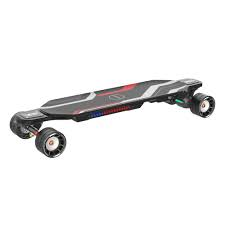
Unlike a traditional longboard that depends entirely on the rider's physical effort, an electric longboard uses a motor to provide forward movement. A wireless remote usually controls acceleration and braking, allowing riders to maintain a consistent speed without repeatedly pushing against the ground. This makes the board particularly appealing for people traveling through neighborhoods, campuses, bike paths, and suitable urban roads.
The long deck design also gives an electric longboard a different riding feel compared with a shorter electric skateboard. The additional deck length can provide more room for the rider's feet and contribute to a stable platform. Combined with larger wheels and an electric drivetrain, this makes an electric longboard suitable for both beginners and experienced riders.
Electric Longboard Design and Riding Performance
The design of an electric longboard is one of its most important characteristics. A longer deck generally provides additional standing space, which can make the riding position feel more comfortable during longer journeys. Many models are designed with flexible or slightly curved decks that help absorb small vibrations from the road while maintaining control.
The electric longboard motor is responsible for delivering power to the wheels. Modern boards commonly use hub motors or belt-driven motors. Hub motors are built directly into the wheel area and often create a clean, low-maintenance appearance. Belt-driven systems use a belt and pulley mechanism to transfer motor power to the wheels and can offer strong acceleration and responsive performance.
Battery technology is equally important. An electric longboard battery determines much of the board's usable range and influences charging time and overall weight. Riders who plan to use their board for daily commuting may prefer a larger battery capacity so they can travel longer distances between charges. However, real-world range can vary according to rider weight, speed, road conditions, hills, temperature, and acceleration habits.
The wheels also have a significant effect on the riding experience. Larger electric longboard wheels can provide better performance over cracks, small stones, and uneven pavement compared with smaller wheels. Softer wheels can improve comfort by reducing road vibration, while harder wheels may provide a more responsive feel on smooth surfaces.
A good electric longboard should also provide dependable braking. Regenerative braking is available on many modern electric boards, allowing the motor system to help slow the board while recovering a small amount of energy. The exact braking performance depends on the motor, controller, battery, and overall board design.
For beginners, acceleration control is especially important. A wireless remote with adjustable speed modes can make it easier to start slowly and gradually become comfortable with the board. Learning to accelerate, brake, turn, and maintain balance at lower speeds can create a much better foundation for future riding.
Electric Longboard Range, Comfort, and Daily Use
One of the biggest advantages of an electric longboard is its potential for comfortable short-distance transportation. The long deck provides a stable standing platform, while the motor reduces the physical effort required to travel. This can make an electric longboard useful for commuting to nearby locations, moving around large campuses, visiting local areas, or enjoying recreational rides.
Range is an important consideration for anyone planning to use an electric longboard regularly. A board with a higher-capacity battery can generally support longer rides, but advertised range should always be considered an estimate rather than a guaranteed distance. Riding at high speeds, traveling uphill, carrying additional weight, and frequently accelerating can reduce battery life during a ride.
Portability is another factor to consider. Although an electric longboard can be easier to ride than a conventional longboard over longer distances, the battery and motor add weight. A lightweight electric longboard may be easier to carry into a building or vehicle, while a heavier long-range model may offer greater battery capacity and performance.
Comfort also depends on trucks and deck construction. Trucks connect the wheels to the deck and influence turning, stability, and overall handling. A well-designed truck system can provide controlled carving while maintaining stability. Riders who enjoy smooth turns and relaxed cruising may appreciate an electric longboard designed specifically for comfortable carving.
Long-distance electric longboard riding can also be enjoyable when the board has appropriate wheels, a comfortable deck, and reliable battery performance. The longer deck gives riders more room to adjust their stance, which can be particularly helpful during extended rides.
Weather and road conditions should also be considered. Some electric longboards provide a degree of water resistance, but riders should always follow the manufacturer's specifications. Wet roads can reduce traction and braking performance, while standing water can potentially damage electronic components. Proper storage and maintenance can help protect the board and extend its usable life.
Choosing an Electric Longboard for Your Riding Style
Choosing the right electric longboard depends on how and where it will be used. A beginner who mainly wants relaxed neighborhood rides may prefer a stable board with moderate speed, simple controls, and comfortable wheels. A daily commuter may place greater importance on battery range, charging time, durability, portability, and dependable braking.
Experienced riders may be more interested in motor power, acceleration, top speed, wheel configuration, and riding modes. For rougher roads, larger wheels and stronger suspension or flexible deck designs can make the ride more comfortable. For smooth pavement, a more responsive setup may provide an enjoyable and controlled experience.
Build quality should never be overlooked. The deck, trucks, wheels, motors, battery enclosure, and electronic components all contribute to the overall reliability of an electric longboard. A well-built board can provide better stability and durability over repeated use.
Battery safety is also important. Riders should use the original or manufacturer-approved charger and follow the recommended charging instructions. The battery should be protected from extreme temperatures and physical damage. Proper charging and storage habits can help maintain battery performance over time.
Safety equipment should be part of responsible electric longboard riding. A properly fitted helmet is strongly recommended, especially for beginners and anyone riding at higher speeds. Riders should also become familiar with local rules because regulations regarding electric skateboards and electric longboards can differ between locations.
Learning the board gradually is another important part of the experience. New riders should begin in a controlled, open area where they can practice acceleration, braking, turning, and stopping without unnecessary traffic. As confidence increases, riders can gradually explore longer routes and different surfaces.
Conclusion: Is an Electric Longboard Right for You?
An electric longboard offers a practical combination of stability, comfort, technology, and electric-powered performance. Its longer deck, larger wheels, rechargeable battery, and motor system make it different from both traditional longboards and compact electric skateboards. For commuting, recreational cruising, and short-distance travel, it can provide an enjoyable and convenient riding experience.
The ideal electric longboard depends on individual requirements. Battery range, motor type, wheel size, deck construction, weight, braking performance, portability, and durability should all be considered before choosing a model. A beginner may benefit from stability and simple controls, while an experienced rider may prioritize power, range, and advanced performance.