
In today’s competitive textile industry, maintaining consistent quality and performance is a top priority for manufacturers, designers, and brands. Accurate textile measurement plays a crucial role in achieving this goal, as it provides essential information about a fabric’s properties, dimensions, and functionality. By using precise measurement techniques and instruments, textile companies can ensure that their products meet industry standards, satisfy consumer expectations, and reduce material waste.
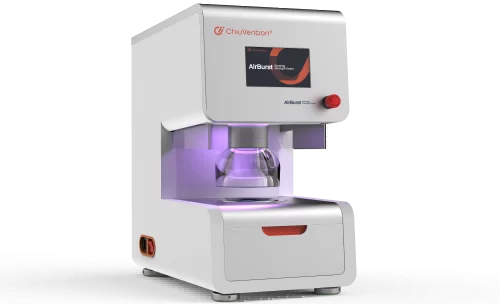
Textile measurement encompasses the evaluation of various fabric characteristics such as thickness, weight, thread count, elasticity, and dimensional stability. These measurements are essential across multiple stages of textile production, from raw fibers to finished garments. Incorporating textile measurement into production processes allows manufacturers to monitor quality, optimize material usage, and identify potential defects early. As the textile industry continues to expand globally, the importance of accurate and consistent textile measurement cannot be overstated.
Textile Measurement Role in Fabric Quality Assessment
Textile measurement serves as the foundation of quality assurance in the textile industry. One of the most critical aspects of measurement is determining fabric thickness. Thickness affects how a material drapes, how it wears over time, and how it performs under pressure. Accurate thickness measurement ensures that fabrics meet the intended design specifications and function as expected in various applications, whether in clothing, home textiles, or industrial uses.
Fabric weight, often measured in grams per square meter (GSM), is another essential parameter. The weight of a fabric impacts comfort, durability, and usability. Lightweight fabrics are often preferred for summer wear or delicate items, while heavier fabrics provide durability for upholstery, workwear, and outerwear. Through precise textile measurement, manufacturers can select the appropriate materials for specific applications and maintain uniformity across production batches.
Thread density and yarn count are also evaluated through textile measurement. High thread density can indicate a stronger, smoother, and more durable fabric, which is particularly important for premium apparel and high-quality home textiles. Measuring these properties ensures consistency in texture and appearance, preventing variations that may compromise fabric quality.
Other factors assessed through textile measurement include elasticity, stretchability, and dimensional stability. These properties are critical for performance fabrics such as sportswear, protective clothing, and technical textiles. Measurement of elasticity ensures that garments maintain their shape and functionality during use, while dimensional stability testing confirms that fabrics retain their intended size and fit after washing or exposure to environmental factors.
Modern textile measurement relies on advanced instruments that provide accurate and repeatable results. Digital measuring systems, automated thickness gauges, and tensile testing machines allow manufacturers to gather precise data efficiently, reducing human error and increasing reliability.
Compliance with global standards such as ISO, ASTM, and EN is facilitated through such accurate textile measurement, providing assurance to both manufacturers and consumers.
Textile Measurement Importance in Innovation and Sustainable Practices
Textile measurement is not only essential for quality control but also plays a pivotal role in innovation and research. As manufacturers experiment with new fibers, fabric blends, and finishes, accurate
measurement helps evaluate performance characteristics, including durability, breathability, moisture management, and thermal regulation. These insights are crucial for creating specialized fabrics used in medical textiles, protective clothing, and sportswear, where functionality is as important as appearance.
Sustainability is a growing focus in the textile industry, and precise textile measurement supports environmentally responsible production. Organic fibers, recycled materials, and eco-friendly fabrics must be tested rigorously to ensure they perform comparably to conventional materials. Measurement of weight, thickness, and tensile strength ensures that sustainable fabrics meet both functional and quality requirements while minimizing resource wastage.
Advanced textile measurement systems often include digital analysis, data storage, and reporting capabilities. This enables manufacturers to track trends, compare production batches, and optimize processes efficiently. For example, if a fabric fails to meet thickness or weight specifications, adjustments can be made before full-scale production, reducing waste and enhancing product consistency. This data-driven approach encourages both operational efficiency and product innovation.
Laboratories and independent testing facilities heavily rely on textile measurement to provide standardized evaluation of fabric properties. Third-party validation adds credibility to textiles, builds trust among clients and consumers, and ensures compliance with international standards. In the global marketplace, the ability to demonstrate tested and verified fabric quality is essential for competitive advantage.
Investing in high-quality textile measurement equipment and techniques is a strategic move for manufacturers. The initial cost is offset by long-term benefits, including improved product reliability, fewer production errors, optimized material use, and increased customer satisfaction. Companies that prioritize precise measurement and testing are better positioned to innovate, maintain consistent quality, and compete effectively on a global scale.
Conclusion
textile measurement is a fundamental aspect of fabric production, quality assurance, and product development. By accurately evaluating thickness, weight, thread density, elasticity, and other critical properties, manufacturers can ensure that fabrics meet design specifications, performance standards, and consumer expectations.
As the textile industry evolves, the role of accurate textile measurement will only become more significant. It supports innovation, sustainability, and compliance while enabling manufacturers to produce high-quality, reliable fabrics. Ultimately, textile measurement forms the cornerstone of consistent fabric performance, operational efficiency, and long-term success in the competitive global textile market.