
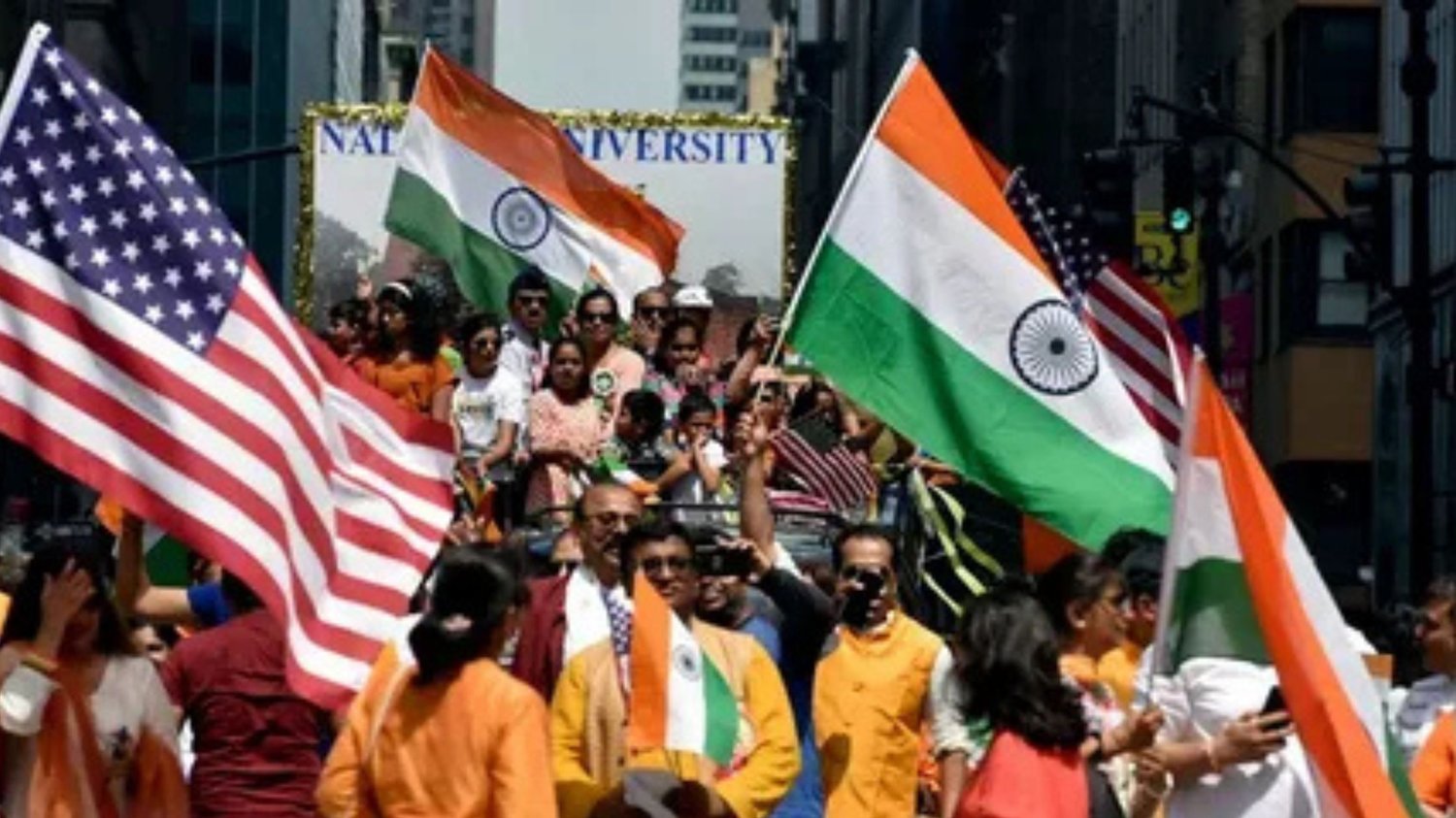
The narrative of the Indian diaspora in the USA has long been framed as a monolithic success story-one of "model minorities" excelling in medicine, engineering, and Silicon Valley boardrooms. However, as we step into 2026, this demographic is undergoing a profound and complex transformation.
With the community now estimated at over 5.2 million individuals-a staggering 174% increase since the turn of the millennium-the conversation is shifting from simple economic integration to a nuanced exploration of political agency, social vulnerability, and the friction of a "hybrid identity." For a community that contributes over $150 billion annually to the American economy, the fresh perspective isn't just about their wealth; it's about their growing willingness to confront the systemic hurdles that once remained unspoken.
The Economic Paradox: Wealth Amidst Growing Vulnerability
While recent Pew Research Center data highlights that Indian-headed households command a median annual income of $151,200-nearly 50% higher than the broader Asian American average-this financial brilliance masks a burgeoning crisis in immigration stability. The year 2025 saw a record 3,258 Indian nationals deported, the highest figure in over a decade.
This contrast illustrates a community at a crossroads: one half is reaching the pinnacle of corporate power (exemplified by the 4.4% of senior US government positions held by Indian Americans), while the other half navigates a "perfect storm" of visa freezes and heightened digital scrutiny. For many, the American Dream is becoming a high-stakes gamble, where even minor administrative shifts can upend decades of hard-won stability.
The New Political Frontier and Civic Engagement
Historically characterized by political passivity, the Indian diaspora in the USA is finally finding its collective voice. The 2024 and 2025 election cycles marked a watershed moment, with a record number of Indian-origin candidates running for office at every level, from local school boards to the halls of Congress. This shift is not merely about representation but about protection. As legislative threats like the proposed elimination of the H-1B program emerge, the community is moving beyond "WhatsApp activism" to structured lobbying. This new political maturity is essential as the diaspora grapples with internal ideological divisions, balancing traditional leanings with a pragmatic need to influence trade tariffs and immigration pathways that directly impact their families back home.
Cultural Continuity in a Changing Landscape
Despite the pressures of assimilation, the cultural heartbeat of the community remains vibrant, often centered on landmarks that serve as spiritual and historical anchors.
For the diaspora in the capital region, the Mahatma Gandhi Memorial Plaza in Washington, D.C., stands as a powerful testament to this enduring connection. Dedicated in 2000, the plaza features a bronze statue of the Mahatma in his iconic "Salt March" pose-a gift from the Indian Council for Cultural Relations.
It serves not just as a tourist site, but as a space for quiet reflection and community gatherings, reminding the Indian American community that the values of Satyagraha and resilience are as relevant in the suburbs of Virginia as they were on the roads of Dandi. Such spaces bridge the 8,000-mile gap, reinforcing a sense of belonging that is both Indian and American.
The Student Crisis: A Threat to the Knowledge Pipeline
Perhaps the most urgent concern for the diaspora today is the volatility of the educational exchange. In July 2025, Indian student visa arrivals crashed by a staggering 46%, a decline that threatens to drain the "financial spine" of many American STEM programs. This isn't just a loss for universities; it is a disruption of the "brain circulation" that has fueled innovation for decades.
As the US State Department implements rigorous new vetting protocols, including the mandatory public disclosure of social media history for H-1B and student applicants, the community faces a psychological barrier. The next generation of the Indian diaspora in the USA is now looking toward Europe or back at a "Viksit Bharat" as viable alternatives, signaling a potential shift in the global talent map.
Indian Panorama is Where the Indian Diaspora Connect
The story of Indians in America is no longer a single-track headline. It is a complex narrative of triumphs, deportations, political shifts, and cultural pride. At The Indian Panorama, we move beyond the superficial "model minority" tropes to bring you the factual, granular truth of the diaspora experience. From the quiet reflections at the Gandhi Memorial to the loud debates in New York’s political circles, we are committed to being the mirror that reflects your evolving reality. As the community redefines its place in the American sun, stay connected with us for the insights that empower your journey.