
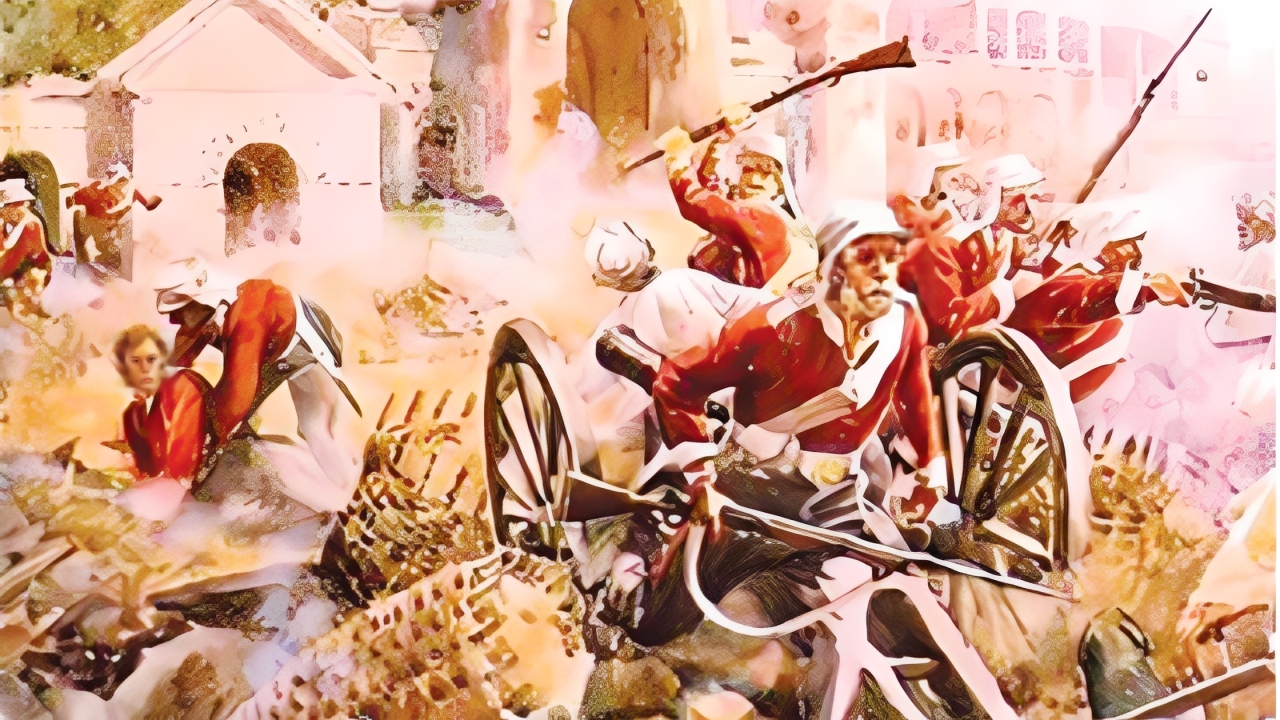
How many times have you ever wondered how the sacrifices of India’s freedom fighters resonate in our lives today?
The story of India’s freedom struggle is often taught as history, but its values and lessons remain deeply relevant. As we navigate a changing world, especially here in the diaspora, revisiting those struggles helps us understand the meaning of freedom, justice, and responsibility in our modern context. This blog explores these connections through fresh perspectives that speak to us all.
The Historical Backbone of India’s Freedom Struggle
India’s fight for independence from colonial rule was long, turbulent, and marked by extraordinary courage. From the nonviolent protests led by Mahatma Gandhi to the revolutionaries who risked it all, the movement shaped the foundation of modern India. The principles of civil rights, democratic governance, and social equity that emerged guide us still.
Today, millions of Indians and diaspora members draw inspiration from these stories. The India’s freedom struggle isn’t just a chapter in books; it’s a living legacy that impacts how we engage socially, politically, and culturally.
Parallels in Contemporary Social Movements
What lessons can we draw from our freedom struggle for today’s society? Many struggles, for equality, environmental conservation, and social justice, reflect the same spirit and methods that defined India’s fight for independence. Nonviolent resistance and citizen activism are making a strong comeback globally. Communities across the world are rallying for rights and reforms with peaceful determination, guided by a belief in justice without violence.
Watching these movements unfold, I often recall Gandhi’s words: “Be the change you wish to see.” This phrase captures the essence of meaningful activism. Whether it’s advocating for immigrant rights in the US, addressing climate change, or pushing for gender equality in workplaces, the echoes of our past offer practical guidance for action today. Our history teaches us that meaningful change often starts with a small but powerful act,a protest, a conversation, or a steadfast commitment to justice.
Moreover, many of today’s movements continue to emphasize inclusivity, compassion, and grassroots empowerment, values Gandhi championed through campaigns against untouchability and inequality. As various marginalized groups raise their voices worldwide, devising nonviolent strategies to confront systemic oppression, Gandhi’s legacy serves as a timeless blueprint.
Cultural Celebrations: Remembering History, Fostering Unity
In diaspora hubs, we commemorate India’s independence through festivals and gatherings that serve as reminders of our shared past. Places like Shalimar Banquets in Addison become venues where heritage meets celebration, uniting thousands in joyous homage to freedom and identity.
These events are more than parties, they’re educational opportunities for younger generations to learn the values of sacrifice and patriotism. It’s where stories of bravery meet modern community pride, motivating us to carry forward the light of our ancestors.
Freedom and Responsibility: What the Struggle Teaches Us Today
Freedom gained millions of voices, but it also brought responsibilities, ethical citizenship, respect for diversity, and active participation in democracy. Living abroad, these responsibilities expand to representing Indian values while embracing new cultural norms.
Balancing tradition with modernity requires us to reflect on freedom as a dynamic concept, not static. The freedom struggle reminds us to safeguard rights, challenge injustice, and foster harmony,principles crucial in today’s polarized environments.
Relevant government sites like India.gov.in offer extensive resources on India's freedom movement, providing facts and inspiration for those interested in deepening their understanding.
The Continuing Journey: Freedom in Daily Life and the Diaspora
Our freedom struggle’s impact extends beyond politics; it influences how we live, celebrate, and grow as a community. For Indian diaspora families, imparting these stories helps nurture resilience and cultural pride. Schools, cultural organizations, and media play pivotal roles in this transmission.
By drawing parallels between past and present, we see how freedom fuels progress, not just in public spaces but within homes and hearts. This perspective encourages us to honor history while actively shaping our futures.
Final Thoughts: Indian Panorama,Bringing History to Life
At Indian Panorama, we see the power of history to inspire and unite. Our role is to bring stories of courage, sacrifice, and progress alive for today’s readers. Just as the freedom fighters once used the power of words and peaceful protest, we use journalism to connect, inform, and empower our diaspora.
Our commitment is to keep the flame of India’s freedom struggle burning brightly, not only as a tribute but as a call to action for every generation, wherever they are. Join us in this ongoing journey, embracing history as a guide, strength, and shared heritage.