
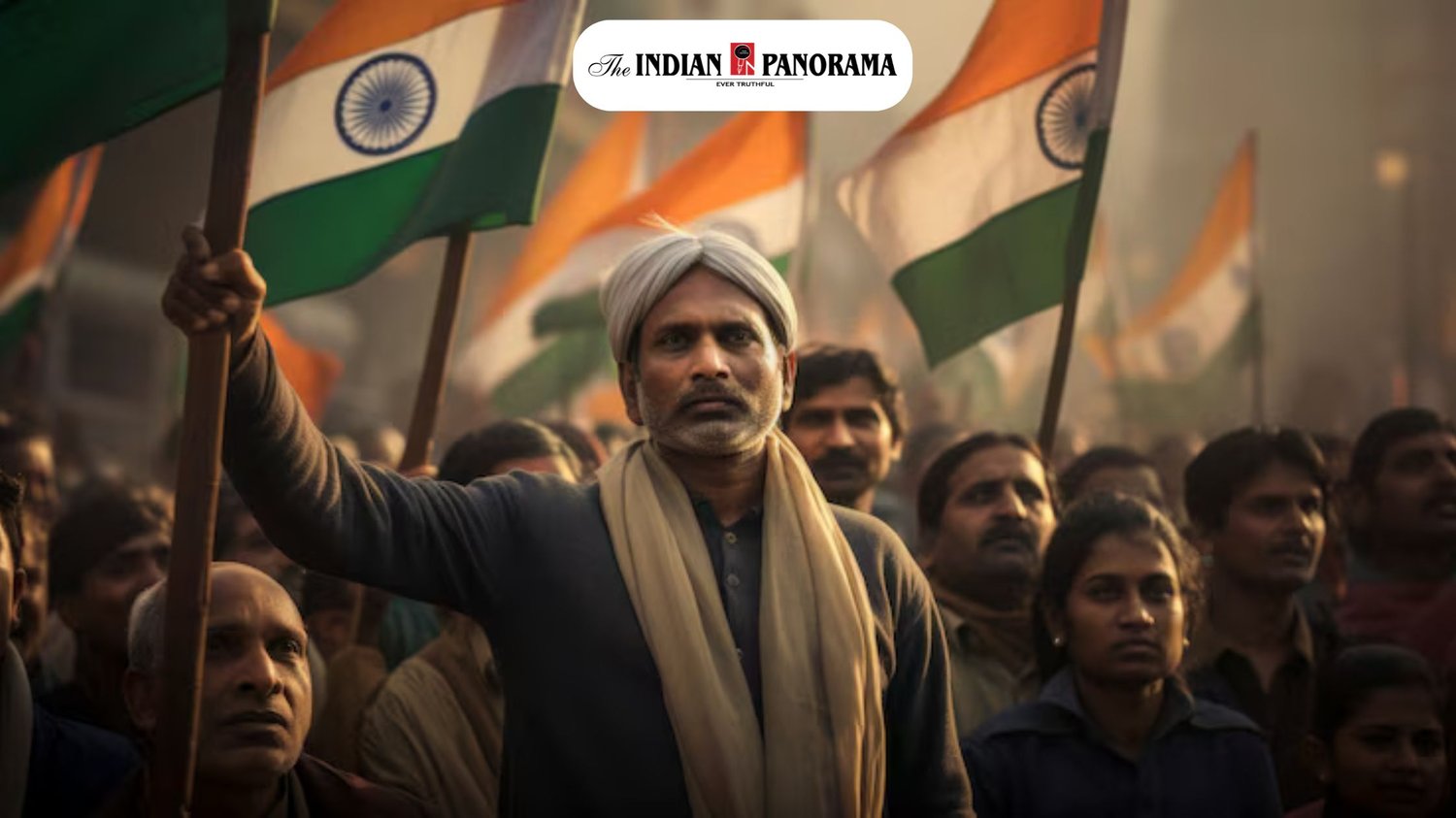
India’s freedom struggle remains one of the most defining chapters in modern history. Rooted in sacrifice, unity, and the relentless pursuit of justice, the Indian freedom movement not only liberated a nation but also inspired oppressed peoples everywhere.
As the decades roll on, the ideals of that movement continue to echo in contemporary India. Below are some recent developments that reflect how the spirit of the freedom struggle lives on, along with how the movement is being reinterpreted today.
1. Educational Reform & Historical Awareness
The Delhi government has recently unveiled a new curriculum named “Rashtraneeti”, to be introduced from grades 1 to 12. This aims to meaningfully include modules on India’s freedom struggle, detailing the roles of freedom fighters, civic responsibilities, and historical debates. It also includes content about RSS and the independence movement.
By placing the Indian freedom movement back into daily school discourse, the initiative hopes to ensure that younger generations understand both heroism and nuance in history.
2. Swadeshi & Economic Self-Reliance Resurgence
At the Surajkund Diwali Mela in Faridabad, Haryana’s Chief Minister emphasized that the Swadeshi movement, echoing the ethos of India’s freedom struggle, can drive modern prosperity. He encouraged support for local artisans and “Make in India” products as a tribute to the self-reliant ideals of the past.
This sentiment aligns closely with the economic dimension of the Indian freedom movement, where the boycott of foreign goods and fostering indigenous industry were critical tactics.
3. Debates over Legacy & Memory
This year also saw the centenary of the Rashtriya Swayamsevak Sangh (RSS). The government issued commemorative coins and stamps, prompting debate over how deeply the RSS was involved in the Indian-freedom movement. Historians and critics have questioned whether the narrative around its role is being overstated.
More broadly, how we memorialize and contest history remains very active in public life.
4. Political Rhetoric & National Discourse
Statements comparing contemporary policies and movements to events from the freedom struggle are becoming more frequent. For instance, the Bihar Governor recently claimed that Indians took up arms before the British left, a remark that triggered backlash from historians and political opponents who emphasized nonviolent resistance as central to the Indian-freedom movement.
Such controversies remind us that how we retell history is deeply political.
In the End, What Matters
While 1947 closed the colonial chapter, the ideas, conflicts, and symbols of the Indian freedom movement continue to shape India’s identity, politics, and civic debates.
For readers of The Indian Panorama, revisiting this legacy isn’t just academic. It helps ground our values, challenge current narratives, and contribute meaningfully to collective memory.