
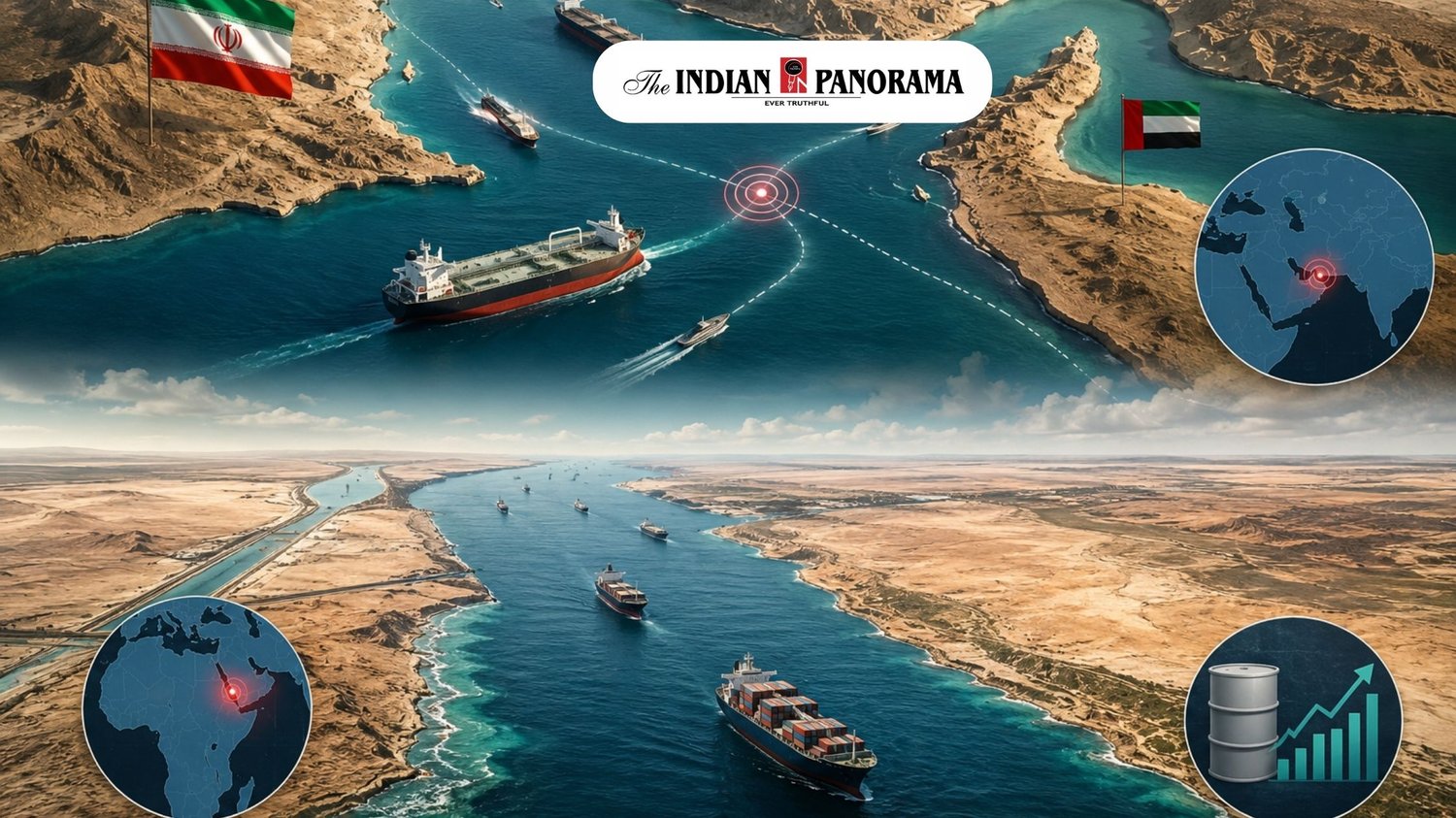
The Strait of Hormuz and Red Sea closures have combined to create the most disruptive shipping environment the global economy has faced since the pandemic, choking off two of the world's most critical maritime corridors and sending oil prices, insurance premiums, and freight costs sharply higher through 2026.
The crisis traces back to February 28, when the United States and Israel launched an air campaign against Iranian targets, prompting Iran's Revolutionary Guard Corps to effectively shut the Strait of Hormuz to shipping linked to the US and its allies. The strait normally carries roughly one-fifth of the world's oil and a quarter of its liquefied natural gas, and daily tanker transits collapsed from around 40 to near zero within days of the closure, according to Kiel Institute analysis.
How Has the Strait of Hormuz Crisis Evolved Through 2026?
A Pakistan-brokered ceasefire in early April briefly allowed partial reopening, but Iran restricted passage again within weeks, and a subsequent truce collapsed in July after renewed attacks on commercial vessels inside the US-coordinated escort corridor. By mid-August, weekly transits through the strait had fallen by roughly two-thirds compared to earlier in the crisis, with traffic running at around 10 vessels a day against a pre-crisis baseline closer to 90 to 130. Brent crude, which traded near 72 dollars a barrel before the closure, spiked as high as 118 to 120 dollars a barrel in March before easing, though it has remained volatile through the summer.
What Is Happening in the Red Sea Simultaneously?
Compounding the pressure, Yemen's Houthi movement announced a naval blockade of Saudi Arabian ports and shipping in the Bab al-Mandeb strait in July, effectively placing a second major chokepoint under threat at the same time as Hormuz. Before the blockade, Bab al-Mandeb carried around 5.4 million barrels per day of oil, and analysts warn that a sustained closure of both corridors together could put roughly 20 million barrels per day of global oil flows at direct logistical risk.
The compounding effect on shipping costs and insurance has been substantial, and several figures illustrate the scale of disruption facing exporters and importers alike:
- War-risk insurance premiums for vessels transiting Hormuz jumped from about 0.125 percent of hull value before the crisis to as high as 2.5 to 5 percent at peak, translating into single-transit costs of up to 5 million dollars for a large crude tanker.
- Additional voyage costs through the region, factoring in rerouting, insurance, financing, and port delays, can now exceed 4 million dollars per voyage for some vessels.
- Roughly 2,000 ships remained stranded in the Gulf at various points during the crisis, awaiting safe passage.
- Many carriers have shifted Asia-Europe services around the Cape of Good Hope, lengthening voyage times by one to two weeks.
What Does This Mean for Indian Trade and Diaspora Businesses?
For India, which imports the bulk of its crude oil from the Gulf, the twin closures carry direct consequences for fuel prices, shipping timelines, and the cost of goods moving between South Asia, the Middle East, and Europe. Indian exporters relying on Red Sea and Gulf routes for trade with Europe have faced longer transit times and higher freight charges for much of the year, a pressure that ripples through to diaspora-run import and logistics businesses in North America as well. With no clear diplomatic resolution in sight and both Iran and the Houthis signalling no immediate change in posture, shippers and policymakers are being advised to plan for elevated costs and extended transit times at least through the rest of the year.