
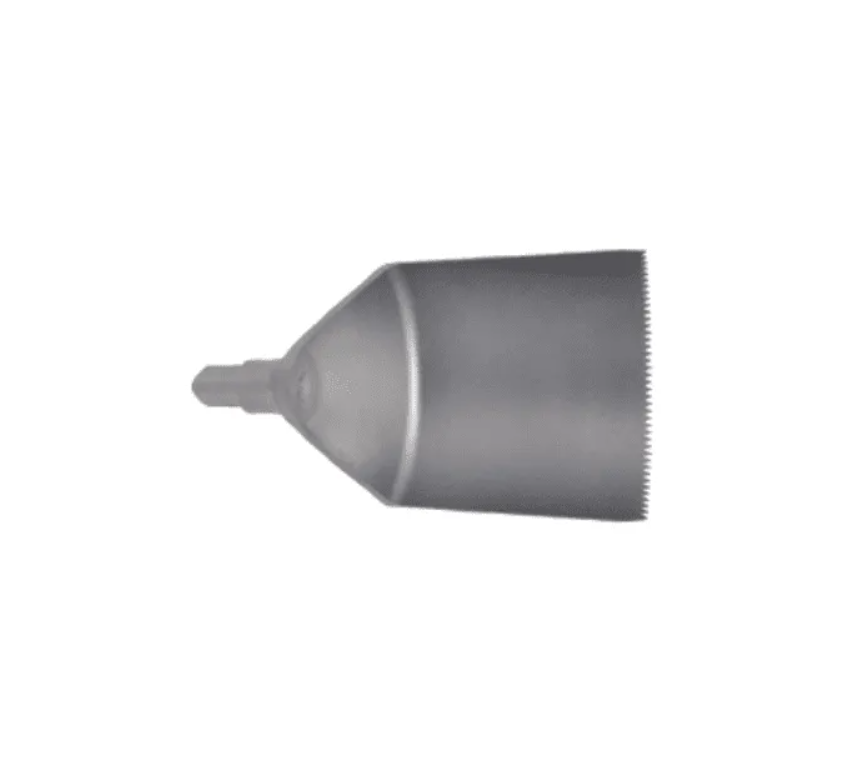
In veterinary orthopedics, the tools chosen for surgery can make a significant difference in both surgical precision and patient outcomes. Among these tools, blades used for Tibial Plateau Leveling Osteotomy (TPLO) procedures are essential for ensuring accurate bone cuts, reducing unnecessary tissue loss, and promoting optimal healing. The right orthopedic blade can help veterinary surgeons work efficiently while minimizing post-surgical complications for animal patients.
Understanding the Role of TPLO Saw Blades
TPLO surgery is a common procedure for treating cranial cruciate ligament injuries in dogs. It involves altering the angle of the tibial plateau to stabilize the knee joint without relying on the damaged ligament. To achieve the required bone rotation, precise cuts must be made to the tibia. This is where specialized TPLO saw blades come into play. These blades are designed specifically for use with TPLO battery saws, enabling clean and controlled cuts in small animal bones.
Available Sizes for Different Surgical Needs
TPLO saw blades are available in a range of sizes to accommodate different patient sizes and surgical requirements. Options typically include measurements from 10mm to 33mm. Having multiple sizes available ensures that a veterinary surgeon can choose the most appropriate blade for the specific patient, whether working with a small-breed dog or a larger canine.
Coupling Design for Compatibility
The design of TPLO saw blades ensures they fit securely into a triangular standard coupling. This coupling accommodates the full range of blade sizes, which means the saw system can be adapted quickly during surgery if a different size is required. The stable fit also reduces vibration during use, contributing to cleaner, more precise cuts.
Thin Blade Construction for Minimal Bone Loss
One of the key benefits of these blades is their thin construction. Thinner blades remove less bone material during cutting, which can help preserve structural integrity and promote faster healing. Minimal bone loss also supports better alignment and stability after the tibia is repositioned and secured. The reduced thickness does not compromise strength; these blades are engineered to withstand the demands of cutting dense bone while maintaining sharpness throughout the procedure.
Final Words
By using high-quality TPLO saw blades, veterinary surgeons can improve both the precision and efficiency of their operations. Accurate cuts support proper bone healing, reduce the risk of complications, and help animals return to normal activity more quickly. The right blade choice also minimizes surgical time, which benefits the patient by reducing anesthesia exposure.