
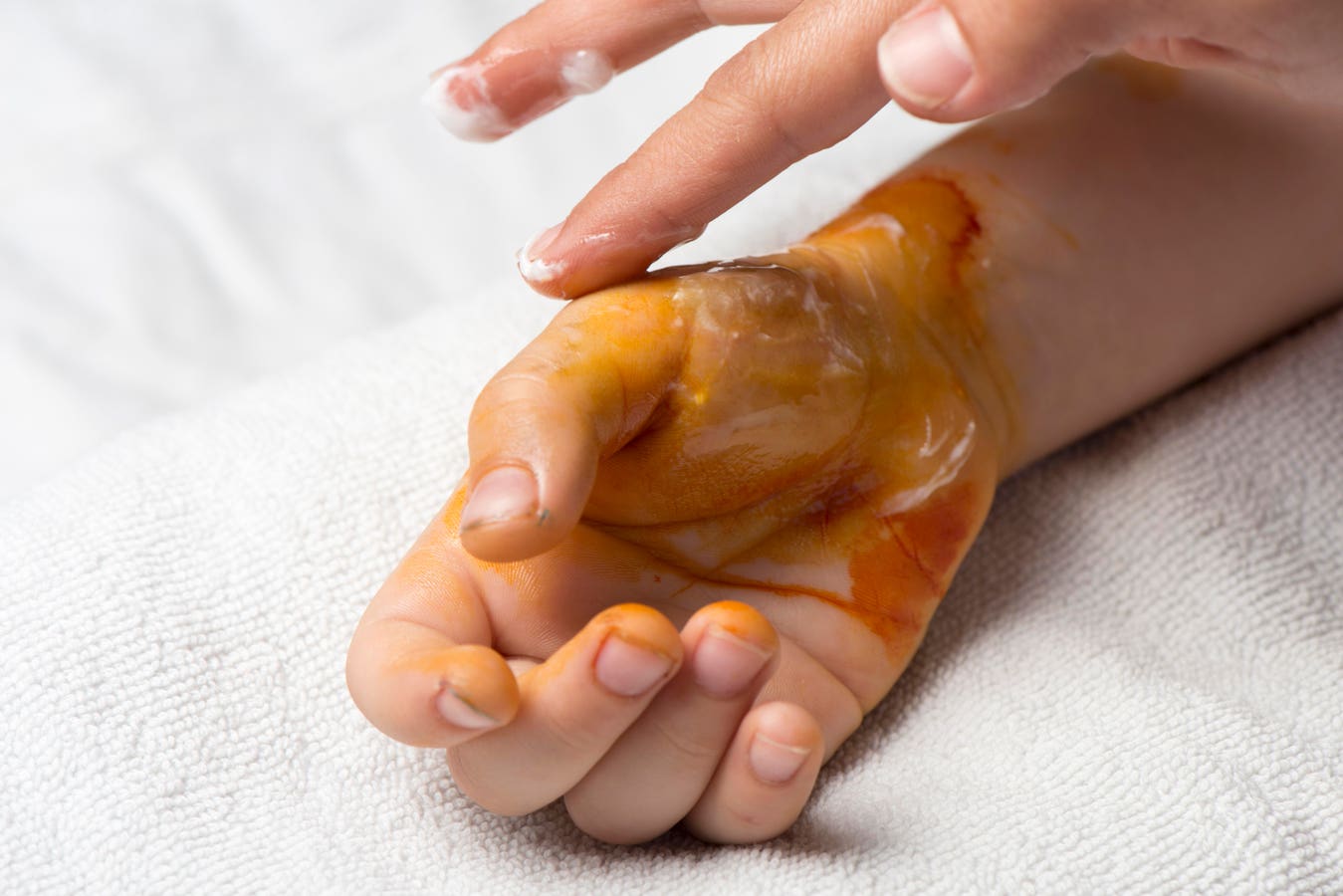
Minor burns are common household injuries that can happen while cooking, handling hot objects, or even from sun exposure. While most minor burns can be treated at home, knowing when to seek professional help is crucial. A Doctor at home Dubai can provide expert medical care without the need for a hospital visit, ensuring proper treatment and reducing the risk of complications.
Understanding Minor Burns
Burns are categorized based on their severity. Minor burns typically fall under first-degree and some second-degree burns, affecting only the outer layers of the skin.
Types of Minor Burns
First-Degree Burns
These burns affect only the epidermis (outer skin layer). Symptoms include redness, mild swelling, and pain. Sunburns are a common example.
Superficial Second-Degree Burns
These burns extend to the dermis (second layer of skin), causing blisters, severe redness, and more intense pain. Proper care is essential to prevent infection.
When to Call a Doctor at Home
While minor burns can often be managed with basic first aid, certain situations require professional medical attention. A doctor at home can assess the burn and provide appropriate treatment if:
- The burn is larger than 3 inches in diameter.
- Blisters are present and oozing.
- The burn affects sensitive areas like the face, hands, or joints.
- Signs of infection appear (increased pain, redness, swelling, or pus).
Immediate Steps for Treating Minor Burns
Before a doctor at home arrives, follow these steps to minimize damage and promote healing:
Cool the Burn
Hold the burned area under cool (not cold) running water for 10-15 minutes. Avoid ice, as it can further damage the skin.
Protect the Burn
Gently pat the area dry with a clean cloth and cover it with a sterile, non-stick bandage. Avoid using cotton balls or fluffy materials that may stick to the wound.
Avoid Certain Practices
Do not apply butter, oils, or toothpaste to the burn, as these can trap heat and increase infection risk.
How a Doctor at Home Can Help
A doctor at home provides professional medical care in the comfort of your home, ensuring proper burn treatment without unnecessary travel.
Professional Assessment
The doctor will examine the burn to determine its severity and check for signs of infection or deeper tissue damage.
Proper Wound Care
They will clean the burn thoroughly, apply medicated ointments, and dress it with appropriate bandages to promote healing.
Pain Management
If needed, the doctor may recommend over-the-counter pain relievers or prescribe medication to manage discomfort.
Follow-Up Care
For deeper second-degree burns, the doctor at home may schedule follow-up visits to monitor healing and change dressings as needed.
Preventing Minor Burns at Home
While accidents happen, taking precautions can reduce the risk of burns.
Kitchen Safety
- Use oven mitts when handling hot dishes.
- Turn pot handles inward to avoid spills.
Childproofing
- Keep hot liquids away from table edges.
- Install stove guards to prevent children from touching hot surfaces.
Sun Protection
- Apply broad-spectrum sunscreen when outdoors.
- Wear protective clothing to avoid sunburns.
When to Seek Emergency Care
Although most minor burns can be treated at home or by a doctor at home, some situations require immediate hospital care:
- Third-degree burns (charred or white skin, no pain due to nerve damage).
- Burns caused by chemicals or electricity.
- Difficulty breathing after a burn injury.
Final Thoughts
Minor burns are painful but often manageable with proper care. While first aid can help initially, consulting a Doctor at home service ensures professional treatment and reduces complications. Their expertise provides peace of mind, especially when dealing with burns in sensitive areas or signs of infection. By following safety measures, many burns can be prevented, keeping you and your family safe.
If you or a loved one experiences a minor burn, consider reaching out to a doctor at home for prompt and effective medical care. Proper treatment today can prevent bigger problems tomorrow.