
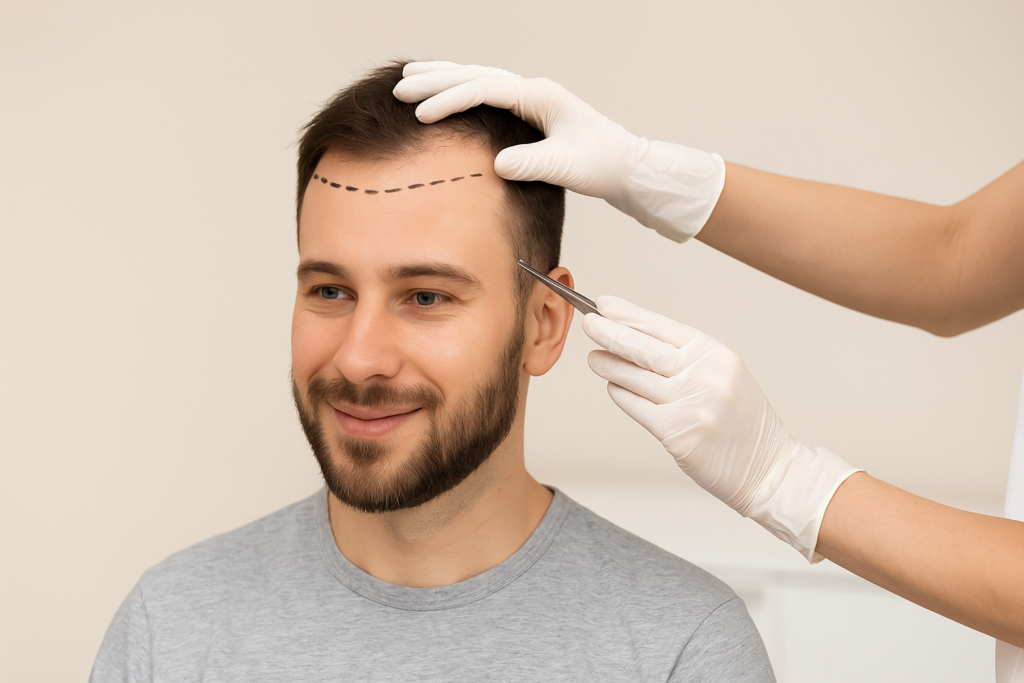
A Hair Transplant in Riyadh is a life-changing procedure for individuals experiencing hair loss or thinning. While the surgery itself is critical, understanding what to expect during the first year post-transplant is essential for managing expectations and achieving optimal results. Hair growth is a gradual process, and knowledge of the stages can help patients stay patient and confident throughout the recovery period.
Immediately After the Procedure (Days 1–7)
The first week after a hair transplant is crucial for the survival of the transplanted follicles:
- Scalp Sensitivity: Mild swelling, redness, and tenderness are common in the recipient and donor areas.
- Protecting Grafts: Avoid touching, scratching, or applying pressure to the transplanted region.
- Washing Instructions: Use the surgeon-recommended shampoo gently, usually starting 2–3 days post-surgery.
- Pain Management: Prescribed medications help manage discomfort and reduce inflammation.
During this period, your priority is protecting the transplanted follicles while they establish a blood supply and begin the healing process.
Weeks 2–4: Shedding Phase (Shock Loss)
One of the most confusing phases is the shedding of transplanted hair, known as “shock loss”:
- Hair Shedding: Transplanted hairs may fall out due to trauma from the procedure.
- Follicle Survival: The follicles themselves remain healthy beneath the scalp and will produce new hair.
- Patience is Key: Shedding is temporary and a normal part of the hair growth cycle.
Understanding this phase helps patients avoid unnecessary worry about the success of their transplant.
Months 1–3: Dormancy and Early Growth
During the first three months post-transplant:
- Dormant Follicles: Transplanted follicles enter a resting phase (telogen), during which visible growth is minimal.
- Scalp Healing: Redness and scabs from the procedure continue to heal.
- Initial New Growth: Some patients may notice tiny fine hairs starting to emerge toward the end of this phase.
This stage requires patience, as hair follicles are preparing to enter the active growth phase.
Months 3–6: Noticeable Growth
Hair growth becomes more visible during months 3 to 6:
- Emerging Hair: Transplanted follicles produce new hairs, which may initially be fine and thin.
- Gradual Density: Hair begins to thicken over time, with noticeable coverage improvement.
- Hair Care: Continue gentle washing, avoid harsh chemicals, and protect the scalp from sun exposure.
By the end of the six-month mark, most patients see a significant transformation compared to pre-transplant appearance.
Months 6–9: Improving Density and Texture
Between months 6 and 9:
- Hair Thickening: New hair gains density and strength, resembling natural hair.
- Styling Options: Patients can start styling their hair more confidently while continuing to follow post-transplant care instructions.
- Ongoing Patience: Individual growth rates vary; some may see faster or slower results depending on factors like genetics and overall health.
This phase is critical for the final shaping of the hairline and overall coverage.
Months 9–12: Full Results
By the end of the first year, most patients achieve their full hair transplant results:
- Natural Appearance: Hair looks healthy, dense, and blends seamlessly with existing hair.
- Permanent Growth: Transplanted follicles are resistant to androgenic hair loss, ensuring long-term results.
- Confidence Boost: Patients often experience improved self-esteem and satisfaction with their appearance.
Continued follow-up with your surgeon ensures optimal long-term outcomes and addresses any concerns.
Factors That Affect Hair Growth Timeline
Several factors can influence how quickly and effectively transplanted hair grows:
- Age and Genetics: Younger patients may experience faster hair growth.
- Surgical Technique: FUE and FUT techniques have similar long-term results, but initial recovery may vary.
- Post-Operative Care: Following your surgeon’s instructions regarding scalp care, medications, and lifestyle choices accelerates growth.
- Overall Health: Nutrition, hydration, and avoidance of smoking or excessive stress support healthy follicle function.
Being aware of these factors helps set realistic expectations for the first year.
Why Riyadh Clinics Provide Optimal Support
Riyadh is recognized for high-quality hair transplant services:
- Expert Surgeons: Professionals with extensive experience in FUE and FUT techniques.
- Advanced Facilities: Clinics use modern equipment to ensure precision and safety.
- Personalized Care: Individualized plans for each patient optimize graft survival and hair growth.
- Follow-Up Support: Regular monitoring helps address concerns and ensures long-lasting results.
Choosing a reputable clinic in Riyadh ensures access to the expertise, technology, and guidance needed for a successful hair transplant journey.
Final Thoughts
The first year after a Hair Transplant in Riyadh is a journey that requires patience and proper care. From the initial recovery and shedding phase to gradual growth and eventual full results, understanding what to expect can help you stay confident and committed to your post-transplant routine.
By following surgeon instructions, protecting your scalp, and maintaining a healthy lifestyle, you can maximize the success of your hair transplant and enjoy a natural, long-lasting restoration of your hair. With the right clinic and careful attention, the first year will set the stage for a lifetime of improved confidence and a revitalized appearance.