
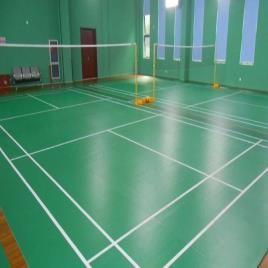
Badminton is a fast-paced sport that requires speed, agility, and precise footwork. To support these movements and ensure player safety, the quality of the court surface is extremely important. Whether the court is built for schools, sports complexes, clubs, or professional tournaments, selecting the right badminton court flooring and construction materials plays a major role in creating a safe and durable playing environment.
Importance of Quality Badminton Court Flooring
The playing surface of a badminton court directly affects player performance and safety. High-quality badminton court flooring provides the right balance of grip and smoothness, allowing players to move quickly without slipping. Since badminton involves frequent jumps, lunges, and sudden direction changes, the flooring must also provide proper shock absorption to reduce pressure on the knees and ankles.
Modern sports facilities prefer specialized sports flooring instead of ordinary surfaces like plain concrete. Professional badminton flooring systems are designed to offer comfort, durability, and consistent playing conditions. These floors also help reduce fatigue during long practice sessions and competitive matches.
Another benefit of proper flooring is improved durability. Badminton courts experience heavy foot traffic, especially in training academies and sports centers. Quality flooring materials can withstand daily use while maintaining their performance and appearance for many years.
Types of Badminton Court Flooring
There are several types of flooring used for badminton courts, each offering different benefits depending on the purpose of the court.
PVC Vinyl Sports Flooring
PVC vinyl flooring is one of the most commonly used surfaces for indoor badminton courts. It offers excellent traction, elasticity, and shock absorption. This type of flooring is also resistant to moisture and easy to maintain, making it ideal for sports halls and indoor stadiums.
Wooden Sports Flooring
Wooden flooring, especially maple wood, is widely used in professional badminton tournaments. Wooden courts provide natural flexibility and a premium playing experience. However, they require proper maintenance and climate control to prevent damage.
Synthetic Acrylic Flooring
Acrylic flooring systems are often used for multipurpose sports courts. These surfaces are durable and weather-resistant, making them suitable for both indoor and outdoor courts. Acrylic floors also allow customization with different colors and line markings.
Rubber Sports Flooring
Rubber-based sports flooring is designed to provide excellent cushioning and safety. It is commonly used in training facilities where player comfort and injury prevention are important priorities.
Understanding Badminton Court Material
In addition to flooring, selecting the right badminton court material is crucial for ensuring the long-term quality of the court. Court construction usually involves multiple layers that work together to create a stable and comfortable playing surface.
The base layer is typically made of concrete or asphalt, providing a strong foundation for the court. Above the base, cushioning layers or underlays may be added to improve shock absorption. Finally, the top layer consists of the sports flooring surface, which provides grip and smooth movement for players.
High-quality court materials must meet several important requirements. They should be durable, resistant to wear and tear, and capable of handling frequent use. They must also provide proper traction so players can move quickly without slipping.
Factors to Consider When Choosing Court Materials
When planning a badminton court project, several factors should be considered before selecting flooring and materials.
First, the location of the court plays an important role. Indoor courts often use PVC vinyl or wooden flooring, while outdoor courts may use acrylic surfaces that can withstand weather conditions.
Second, the expected usage of the court should be evaluated. Courts used for professional tournaments or training academies require high-performance materials, while recreational courts may use more cost-effective options.
Third, maintenance requirements should also be considered. Some flooring materials require regular care and polishing, while others are easier to maintain.
Finally, budget is another key factor. Different materials come with different installation and maintenance costs, so it is important to choose a solution that balances quality and affordability.
Benefits of Using High-Quality Court Materials
Investing in high-quality badminton court materials offers many advantages. A well-constructed court provides a safe playing environment and reduces the risk of injuries. Players can move freely and confidently, improving their overall performance.
Durable materials also ensure that the court remains in good condition for many years with minimal repairs. This makes it a valuable investment for sports clubs, schools, and recreational centers.
Additionally, a professionally designed court enhances the overall appearance of a sports facility and attracts more players and events.
Conclusion
The success of a badminton court depends greatly on the quality of its flooring and construction materials. Choosing the right flooring system and durable materials ensures safety, comfort, and long-term performance. Whether building a court for professional tournaments or recreational use, investing in the right materials will create a reliable and enjoyable playing environment for athletes and badminton enthusiasts alike.