
There are certain things we don’t think about until we have to. Vehicle number plates fall squarely into that category. You glance at them every day, maybe wipe off the dust once in a while, but beyond that—they rarely get your attention.
Until, of course, rules change.
High-Security Registration Plates, or HSRP, have quietly become a necessary part of owning a vehicle in India. And while the idea sounds official (and maybe a bit intimidating), the reality is much simpler than most people expect. Still, if you’ve been putting it off, you’re in good company. It’s one of those “I’ll do it later” tasks that tends to linger.
Let’s talk about it properly—without making it sound like a government notice.
Why This Change Happened in the First Place
For years, number plates were easy to duplicate. Local shops could make them in minutes, no questions asked. It worked… until it didn’t. Cases of theft, fake registrations, and misuse started surfacing more often.
That’s where the hsrp number plate comes in. It’s not just a cosmetic upgrade—it’s designed with security at its core. Each plate carries a unique laser code, a chromium hologram, and a standardized design that’s hard to tamper with.
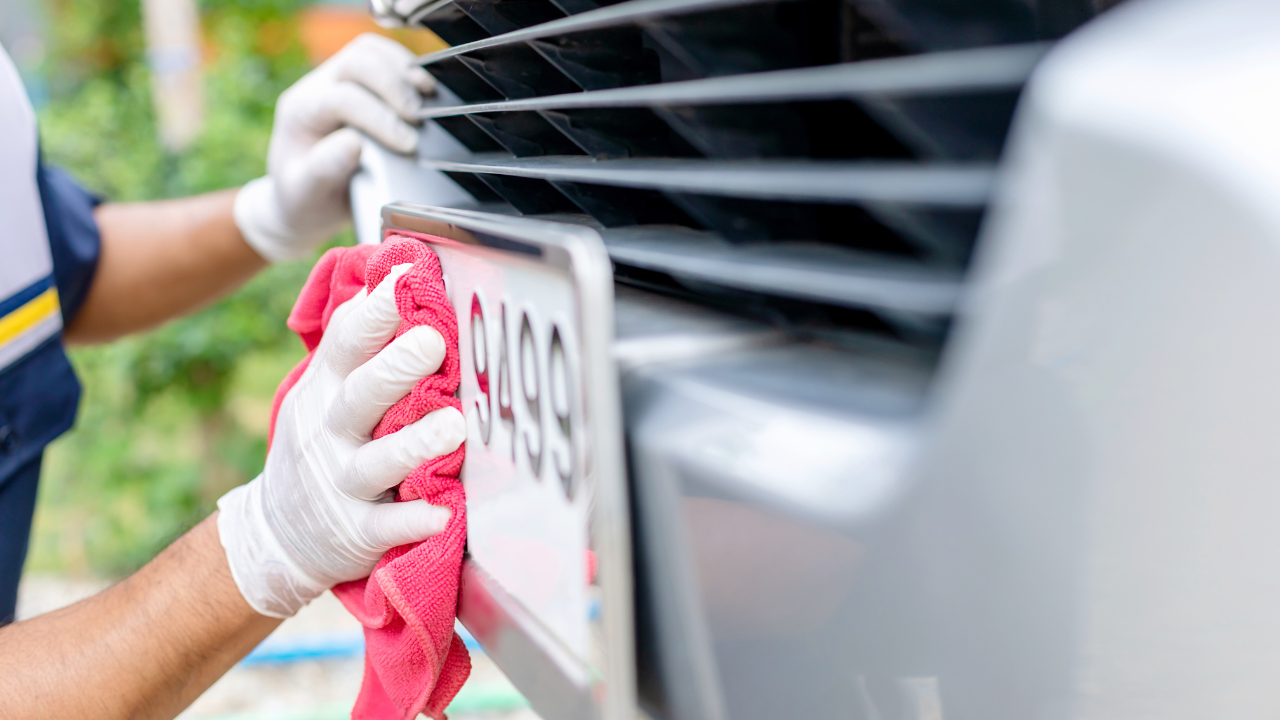
At first glance, it might feel like overkill. But when you think about how many vehicles are on the road today, a system like this starts to make sense.
The Subtle Shift Toward a Better System
What’s interesting is how quietly this transition has happened. There wasn’t one big moment where everything changed overnight. It’s been gradual—state by state, deadline by deadline.
And with that shift, the process itself has evolved. Gone are the days when you had to rely entirely on agents or spend hours figuring things out at the RTO.
Now, most of the work happens online. It’s not perfect—some portals can still feel a bit outdated—but it’s a step in the right direction.
Starting the Process Without Overcomplicating It
If you’ve been hesitating because you think it’ll be confusing, take a breath. It’s actually pretty straightforward once you get into it.
The number plate booking process typically begins on an official website. You’ll enter your vehicle details—registration number, chassis number, engine number—and proceed to select a fitment center and appointment date.
That’s really it.
Well, almost. The only thing you need to be careful about is accuracy. Even a small mistake in your details can delay things. So it’s worth taking an extra minute to double-check everything before hitting submit.
The Human Side of All This
Let’s be honest—most of us don’t enjoy dealing with these kinds of tasks. It’s not exciting, it doesn’t feel urgent (until it suddenly is), and there’s always that slight worry of doing something wrong.
But sometimes, the anticipation is worse than the reality.
Once you actually sit down and start the process, it tends to move along quicker than expected. And when it’s done, there’s this small sense of relief. Like finally clearing a task that’s been sitting in the back of your mind for weeks.
Choosing the Right Time and Place
After booking, you’ll need to visit a fitment center to get the plate installed. This part is often underestimated.
Not all centers operate the same way. Some are efficient and quick, others can be a bit crowded. If you have flexibility, try booking a weekday slot. It’s usually less hectic, and you’ll spend less time waiting.
Also, don’t wait until the last minute to book. As deadlines approach, slots fill up quickly, and you might end up with inconvenient timings.
What Happens on Installation Day
The day you go in for installation is surprisingly uneventful—in a good way.
You arrive, show your confirmation, and wait your turn. The technicians handle the rest. The plates are fixed using special snap locks that prevent easy removal, which is part of what makes them secure.
The whole process usually takes about 20–30 minutes. Sometimes a bit longer if it’s busy, but nothing too dramatic.
Just remember to carry your original Registration Certificate. It’s a small thing, but it can save you from unnecessary delays.
Common Mistakes (And How to Avoid Them)
Most issues people face aren’t complicated—they’re just small oversights.
Entering the wrong details. Missing the appointment. Ignoring confirmation messages. These things happen, but they’re easy to avoid if you pay a little attention.
Think of it like booking a train ticket. You wouldn’t rush through that without checking your details, right? Same idea here.
Is It Really Worth the Effort?
It’s a fair question.
On one hand, it feels like just another requirement. On the other, it adds a layer of security and ensures your vehicle meets current regulations.
The cost isn’t too high, and it’s a one-time process. When you look at it that way, it starts to feel less like a burden and more like a practical update.
The Deadline Trap We All Fall Into
If there’s one thing we’re all guilty of, it’s waiting until the last minute. Deadlines come, get extended, and we assume there’s always more time.
But when everyone rushes at once, systems slow down, slots disappear, and what could’ve been simple becomes stressful.
Doing it early might not feel urgent, but it definitely feels smarter.
A Quiet Ending, Like the Task Itself
At the end of the day, upgrading to an HSRP isn’t going to change your daily life in any dramatic way. Your vehicle will drive the same, your routine won’t shift.
But there’s a quiet kind of satisfaction in knowing it’s done. No pending tasks, no looming deadlines, no unnecessary worry.
And maybe that’s the real value here—not just the plate itself, but the peace of mind that comes with ticking one more thing off your list.
So if you’ve been putting it off, consider this your gentle reminder. Not urgent, not forceful—just a nudge in the right direction.