
There’s something unsettling about neurological symptoms. A sudden headache that feels… different. A brief moment of confusion. A tremor that wasn’t there yesterday. The brain, after all, is not just another organ—it’s where you live. And when it signals distress, even subtly, it demands attention.
In a city like Lucknow, where healthcare is evolving rapidly, finding reliable neurological care isn’t as daunting as it once was. Still, choosing the right place—one that blends expertise, empathy, and timely intervention—can make all the difference. Not just in treatment outcomes, but in peace of mind.
Understanding Neurological Care (Without the Jargon)
Let’s be honest—neurology can sound intimidating. Words like “epilepsy,” “neurodegeneration,” or “cerebrovascular accident” don’t exactly roll off the tongue. But at its core, neurological care is about diagnosing and treating disorders of the brain, spinal cord, and nerves.
It covers a wide spectrum. From migraines and nerve pain to stroke management and complex brain surgeries. Some conditions are sudden and life-threatening; others creep in quietly over years. Either way, early diagnosis is often the thin line between manageable and irreversible.
And here’s the thing—good neurological care isn’t just about machines and scans. It’s about listening. Really listening.
Why Lucknow Is Emerging as a Neuro Care Hub
Lucknow has quietly stepped into a new phase in healthcare. Over the past decade, the city has seen a surge in specialized hospitals, advanced diagnostic tools, and experienced neurologists returning from larger metros.
What’s interesting is how this shift has made quality care more accessible. You don’t necessarily have to travel to Delhi or Mumbai anymore for complex neurological issues. Many facilities in Lucknow now offer:
- Advanced MRI and CT imaging
- Stroke management units
- Neuro ICU support
- Rehabilitation services under one roof
This kind of integrated care matters more than people realize. Because neurological conditions often require a long journey—not just a one-time visit.
The Human Side of Neurological Treatment
It’s easy to focus on technology. Fancy machines, modern ICUs, robotic surgeries. But spend even a day in a neurology ward, and you’ll see something else entirely—families waiting, patients relearning basic functions, doctors explaining the same thing three times because it’s overwhelming to hear the first time.
Neurological recovery isn’t always quick. Sometimes it’s frustratingly slow. And that’s where compassionate care comes in.
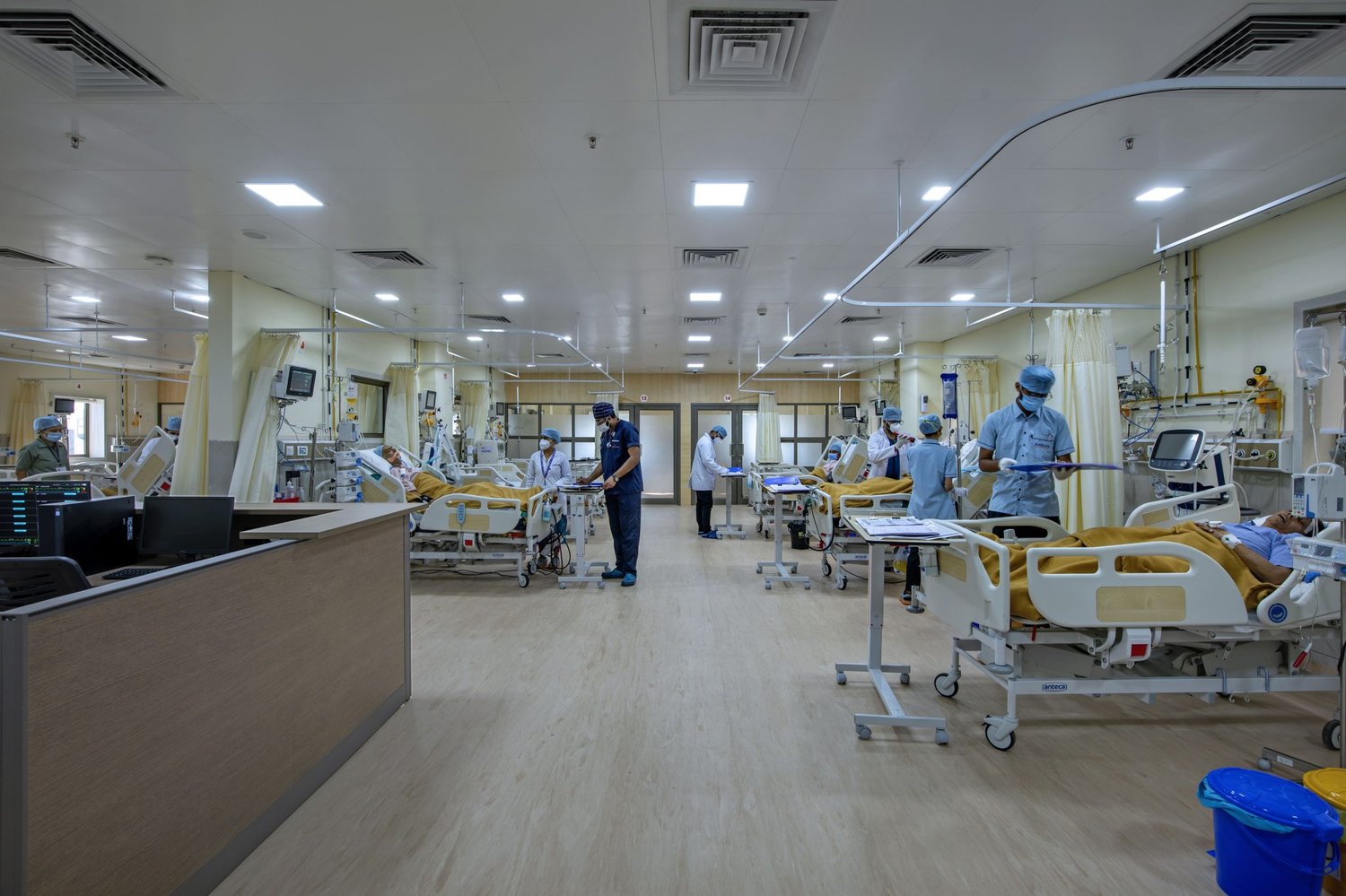
A good neurologist doesn’t just prescribe medication. They guide, reassure, and sometimes just sit in silence when words don’t help. That human touch? It’s underrated, but essential.
What to Look for in a Neuro Hospital
Choosing a hospital isn’t like picking a restaurant. You don’t go by reviews alone, and you certainly don’t want to experiment.
If you’re searching for a reliable neuro hospital in lucknow, there are a few things worth paying attention to—beyond the obvious.
Experience of specialists:
Not all neurologists handle every condition. Some focus on stroke, others on epilepsy or movement disorders. It helps to know who specializes in what.
Emergency response time:
In cases like stroke, every minute counts. Hospitals with dedicated stroke units and rapid response systems can literally save brain cells—and lives.
Diagnostic capabilities:
Accurate diagnosis is half the battle. Look for centers with modern imaging and electrophysiological testing.
Rehabilitation support:
Recovery often involves physiotherapy, speech therapy, and occupational therapy. Having these services in-house is a big plus.
Patient approach:
This one’s harder to measure, but you can feel it. Are doctors approachable? Do they explain things clearly? Do they rush you out or actually engage?
Sometimes, instinct plays a role too. And that’s okay.
Common Neurological Conditions Treated
If you’re wondering whether a symptom warrants a visit to a neurologist, here’s a rough idea of what falls under their scope:
- Persistent or severe headaches
- Seizures or blackouts
- Sudden weakness or numbness
- Memory issues or confusion
- Chronic nerve pain
- Movement disorders like Parkinson’s
- Stroke and post-stroke care
It’s always better to err on the side of caution. What feels minor today could be an early warning sign.
The Role of Technology (and Its Limits)
Modern neuro care relies heavily on technology. MRI scans can map the brain in incredible detail. EEGs can track electrical activity. Surgical techniques have become less invasive and more precise.
But here’s the catch—technology is only as good as the person using it.
A scan doesn’t interpret itself. A machine doesn’t decide treatment. That still comes down to clinical judgment, experience, and sometimes intuition built over years of practice.
So yes, advanced facilities matter. But don’t overlook the people behind them.
Cost vs Care: Finding the Balance
Healthcare costs can be a concern—especially for neurological conditions that require ongoing treatment. Lucknow, compared to larger metros, offers relatively affordable care. But prices can still vary widely between hospitals.
It’s worth having an open conversation about:
- Estimated treatment costs
- Insurance coverage
- Long-term rehabilitation expenses
Transparency here can prevent stress later. And trust me, when you’re dealing with health issues, the last thing you want is financial confusion.
Small Signs You Shouldn’t Ignore
Sometimes the body whispers before it screams. And neurological symptoms can be easy to brush off.
A recurring headache blamed on stress. Occasional dizziness dismissed as fatigue. A slight tremor written off as weakness.
But patterns matter. If something feels off repeatedly, it’s worth checking. Early intervention doesn’t just improve outcomes—it can simplify treatment significantly.
Closing Thoughts: Trust, Timing, and Taking Action
Finding the right neurological care isn’t just a medical decision—it’s a deeply personal one. You’re placing your trust in someone to understand and protect the most complex part of your body.
Lucknow offers promising options today. But beyond infrastructure and expertise, what really matters is timing. Acting early. Asking questions. Not ignoring what your body is trying to tell you.
Because when it comes to the brain, delays don’t just cost time—they can cost function, independence, even identity.
And honestly, that’s not a risk worth taking.