
For many of us, a vehicle isn’t just a machine. It’s a companion that’s been part of everyday life—morning office runs, late-night grocery trips, long drives with family, and those unexpected journeys that turn into good memories. Some vehicles stay with their owners for years, sometimes even decades. So when new rules appear asking owners to update something as simple as a number plate, it can feel a little confusing.
Over the past few years, though, India has been steadily moving toward a more standardized system for vehicle identification. That’s where High Security Registration Plates, or HSRP plates, come in. They’re not exactly flashy, and most people don’t notice them unless they’re told to. Yet they play a surprisingly important role in modern traffic management and road safety.
If you own an older vehicle, chances are you’ve heard about the requirement to upgrade your plate. And if you haven’t yet looked into it, now might be a good time to understand what it actually means.
Why Number Plates Needed an Upgrade
Traditional number plates in India used to be simple. Local shops would make them quickly, often within a few minutes. Drivers could choose different fonts or styles, and while it wasn’t officially encouraged, the flexibility made things convenient.
But convenience sometimes comes with a downside.
Because plates were easy to duplicate, it became possible for people to copy registration numbers or modify plates to avoid identification. In situations involving stolen vehicles or traffic violations, authorities sometimes struggled to verify vehicle identity quickly.
High-security plates were introduced to fix that gap.
These plates are made with standardized materials and include security elements like chromium holograms, laser-etched serial numbers, and tamper-proof locks. Each plate is uniquely linked to the vehicle’s registration record, making duplication far more difficult.
In a country with millions of vehicles on the road, even small improvements in identification systems can make a big difference.
The Challenge for Older Vehicles
When HSRP plates were first introduced, new vehicles automatically came with them. Buyers didn’t have to worry about installation because dealerships handled it during registration.
Older vehicles, however, were already on the road with traditional plates.
That’s why authorities eventually introduced rules requiring an hsrp number plate for old vehicle owners as well. The goal isn’t to inconvenience drivers—it’s simply to bring every vehicle under the same secure identification system.
Think of it as a gradual upgrade. Instead of replacing vehicles themselves, the system upgrades the identification method.
For people who have owned their cars or bikes for years, the change might feel unfamiliar at first. But once the plate is installed, it becomes just another part of the vehicle.
What Makes These Plates “High Security”
The phrase “high security” might sound dramatic for something as ordinary as a number plate, but the technology behind it is actually quite practical.
First, the plates are made from aluminum and manufactured according to government standards. This ensures that every plate across the country follows the same format.
Second, each plate carries a chromium hologram placed at the top corner. This hologram confirms that the plate is genuine and issued by an authorized manufacturer.
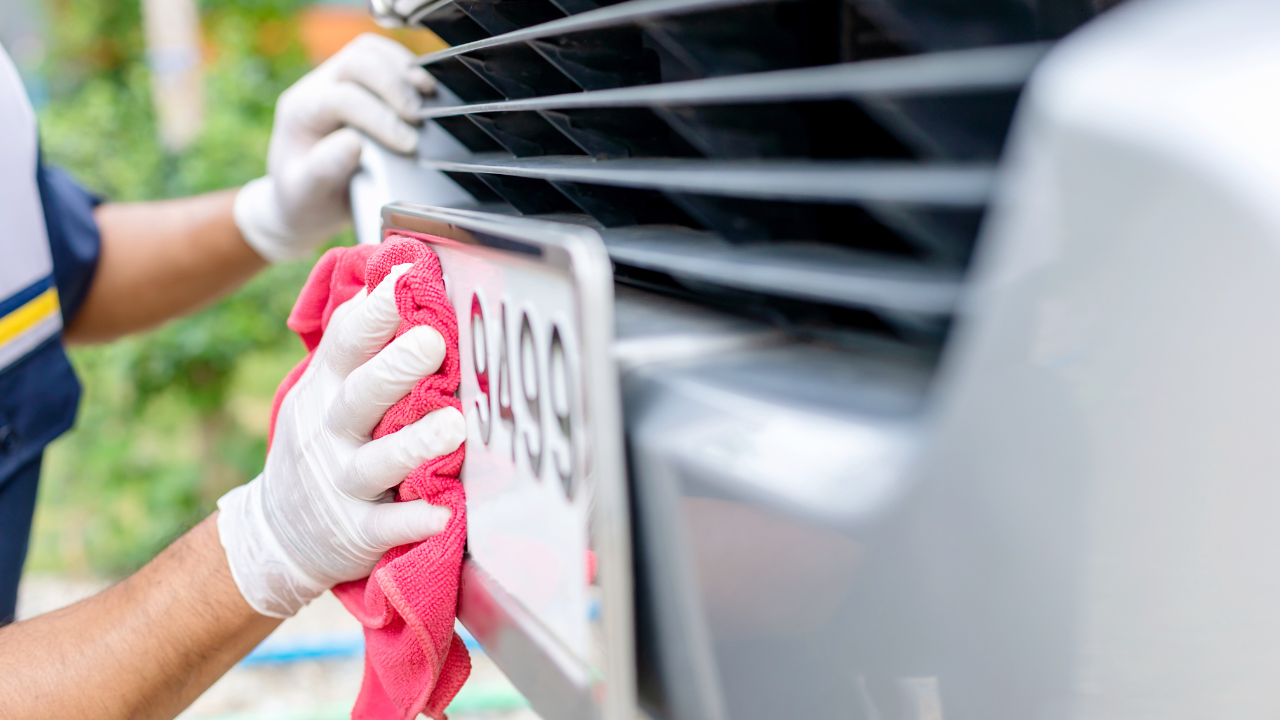
Then there’s the laser-etched serial number. Unlike printed numbers that can fade or be altered, laser engraving permanently marks the plate with a unique identification code.
Finally, the snap-lock system secures the plate to the vehicle in a way that prevents easy removal.
Together, these features make it extremely difficult to tamper with or replicate the plate.
The Shift Toward Online Convenience
If you had asked someone ten years ago how to update vehicle documentation, they probably would have described a long day at the regional transport office. Paper forms, queues, and the occasional confusion about which counter to visit.
Thankfully, the system has improved.
Today, most people prefer to complete their hsrp number plate order online rather than dealing with paperwork in person. Online booking platforms allow drivers to enter vehicle details, select a nearby installation center, and schedule a convenient appointment.
The process is surprisingly straightforward.
You usually need to provide your vehicle registration number, chassis number, and engine number—details that are already listed on your registration certificate. Once payment is completed, you receive a confirmation along with the installation date.
It’s one of those rare situations where a government-related task actually feels efficient.
What Happens During Installation
When the appointment day arrives, the process itself is quick. Drivers simply bring their vehicles to the selected fitment center, where trained technicians handle the installation.
First, the staff verify the vehicle details to ensure they match the booking information. Then they remove the old number plates and install the new HSRP plates using specialized snap locks.
The technicians also attach a color-coded sticker on the windshield. This sticker indicates the vehicle’s fuel type—petrol, diesel, CNG, or electric—and includes registration details for inspection purposes.
The entire procedure usually takes about fifteen to twenty minutes.
Once it’s done, the vehicle is fully compliant with the HSRP requirement.
Cost and Practical Considerations
Another common question drivers have is about the cost. Many assume the security features might make the plates expensive.
In reality, the price is fairly reasonable.
Motorcycles and scooters generally cost less because they require smaller plates. Cars cost slightly more due to the larger size and additional components. Even then, the price is typically within a few hundred to a little over a thousand rupees, depending on the region.
Considering the durability and security advantages, most vehicle owners find the cost manageable.
Why This Change Matters in the Long Run
It’s easy to overlook small changes in everyday systems. A number plate doesn’t seem like something that could influence road safety or law enforcement efficiency.
But when millions of vehicles use standardized identification plates, traffic monitoring systems become far more reliable. Cameras can read plates more accurately. Stolen vehicles can be tracked more easily. Authorities can verify vehicle records faster.
All of these improvements work quietly in the background.
Drivers might not notice them directly, but they contribute to a more organized and secure transportation network.
A Thoughtful Ending
Every vehicle tells a story. Some have traveled across states, some have carried families through everyday routines, and some have simply been reliable companions for years.
Updating a number plate might seem like a small administrative task, but it’s really just part of keeping those vehicles aligned with a changing system.
And thankfully, the process today isn’t nearly as complicated as people expect. A quick online booking, a short visit to a fitment center, and the job is done.
Sometimes progress arrives in subtle ways—not through big, dramatic changes, but through small updates that quietly improve how things work. Even something as simple as a number plate can be part of that story.