
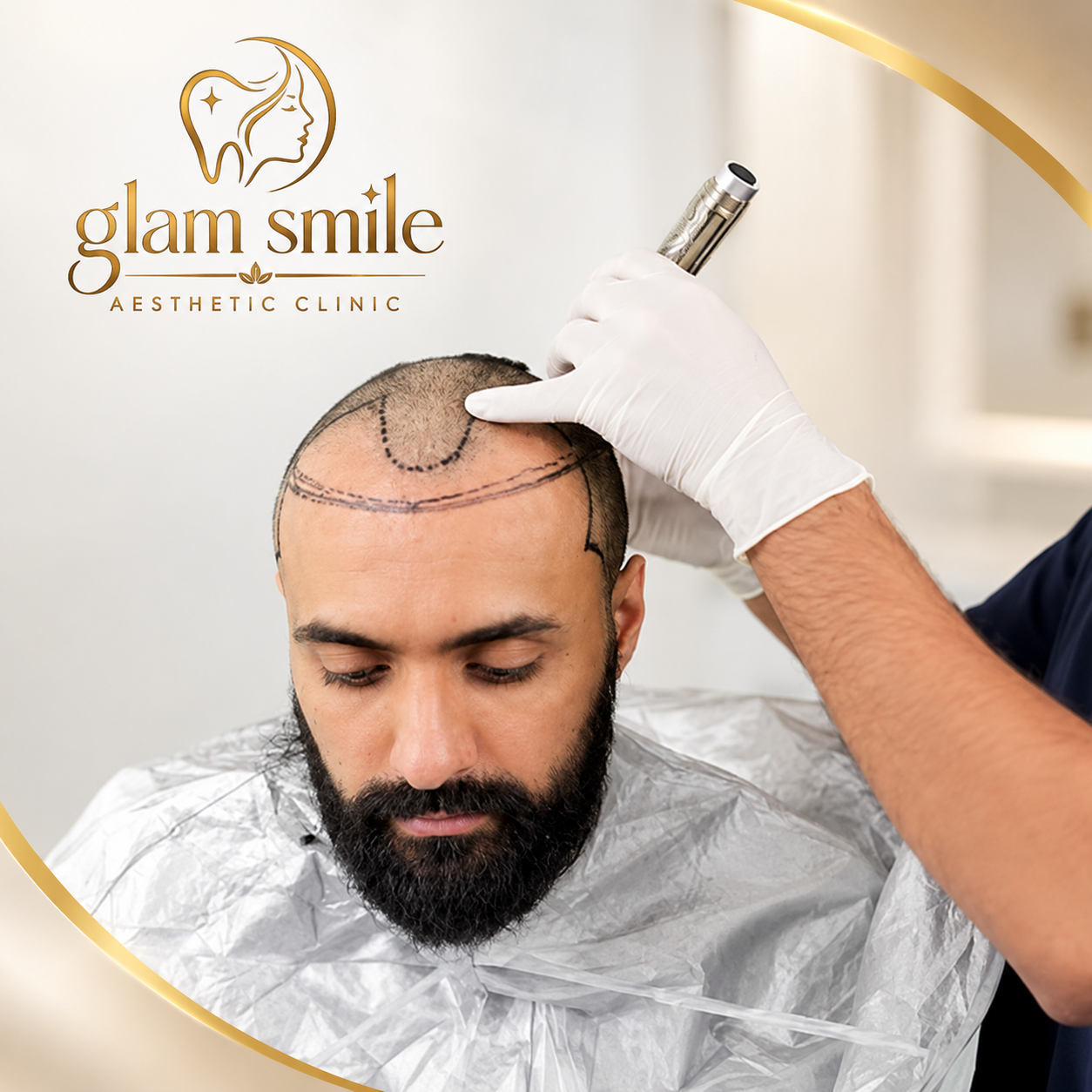
Hair loss can affect more than your appearance. For many people, it can influence self-confidence, social interactions, and the way they feel about themselves. A hair transplant offers a long-term option for restoring hair in areas affected by thinning or baldness. However, before deciding on treatment, many people want to understand the cost and whether their health insurance can help cover the expense.
For individuals considering Hair Transplant in Islamabad, understanding insurance coverage is an important part of planning the procedure. Since hair transplantation is generally considered a cosmetic treatment, most standard health insurance policies do not cover it. However, coverage can vary depending on the reason for hair loss, the terms of the policy, and whether the procedure is medically necessary.
Knowing what your insurance includes, which costs you may need to pay yourself, and what financing options are available can help you make a more informed decision. This guide explains how hair transplant insurance works, when coverage may be possible, what to expect during treatment, and how to prepare for your hair restoration journey.
Does Hair Transplant Insurance Cover the Procedure?
In most cases, health insurance does not cover hair transplant surgery when it is performed primarily for cosmetic reasons. The main purpose of the procedure is usually to improve hair density, restore a receding hairline, or address bald patches rather than treat a medical condition that requires surgery.
Insurance companies commonly distinguish between elective cosmetic treatments and medically necessary procedures. Hair transplantation is generally placed in the cosmetic category because it is usually performed to improve appearance. However, not every case is the same. Certain policies may provide limited coverage for reconstructive procedures associated with injuries, burns, or specific medical conditions. Even in these circumstances, coverage is not guaranteed and depends on the insurer's rules. Before scheduling treatment, contact your insurance provider and ask whether hair restoration is covered under your particular plan.
When Might Insurance Cover a Hair Transplant?
Although routine hair transplantation is rarely covered, some situations may deserve further investigation.
Hair Loss Caused by Burns or Accidents
Severe burns, accidents, and traumatic injuries can damage the scalp and destroy hair follicles. In selected cases, reconstructive surgery may be considered to restore the affected area.
An insurer may assess whether treatment is medically necessary and whether reconstructive procedures are included in the policy. However, approval for reconstructive treatment does not automatically mean a hair transplant will be covered.
Hair Loss Following Medical Treatment
Some patients experience hair loss after certain medical treatments or illnesses. Depending on the circumstances, insurance may cover eligible medical consultations or treatment for the underlying condition. A hair transplant itself is a separate procedure and is not automatically covered simply because hair loss resulted from a medical issue.
Reconstructive Treatment for Scalp Damage
Patients with scarring alopecia or other forms of scalp damage may require specialist assessment to determine which treatments are appropriate. In selected cases, reconstructive options may be considered.
Coverage depends on the diagnosis, the proposed treatment, the insurer's medical necessity criteria, and any applicable exclusions. Important: If you believe your hair loss is related to an injury or medical condition, obtain a medical assessment and request written confirmation of coverage before committing to surgery.
What Are the Benefits of a Hair Transplant?
For suitable candidates, hair transplantation can offer several benefits beyond improving hair coverage.
Natural-Looking Hair Restoration
Modern techniques allow hair follicles to be placed according to the patient's natural hair direction and distribution. A carefully planned hairline can create a more balanced appearance.
Long-Term Results
Transplanted follicles are generally taken from areas of the scalp that are more resistant to common hereditary hair loss. Once established, the transplanted hair can continue to grow for many years.
However, results vary, and existing non-transplanted hair may continue to thin over time.
Improved Hair Density
Hair transplantation can help restore coverage in areas affected by a receding hairline, thinning crown, or certain bald patches. The achievable density depends on donor hair availability and the size of the treatment area.
Increased Confidence
Some people feel more comfortable with their appearance after successful hair restoration. Individual experiences differ, and a transplant cannot guarantee a particular emotional or psychological outcome.
How Does the Hair Transplant Procedure Work?
Understanding the procedure can help you prepare for treatment and discuss the expected costs with your clinic.
Consultation and Scalp Assessment
The specialist examines your scalp, evaluates the pattern of hair loss, reviews your medical history, and assesses donor hair availability. This stage helps determine whether transplantation is appropriate.
Choosing the Technique
Two common techniques are FUE and FUT.
- FUE: Individual follicular units are extracted from the donor area and implanted into the recipient area.
- FUT: A strip of scalp is removed from the donor area, and follicular units are separated for transplantation.
The most appropriate technique depends on your scalp condition, donor supply, goals, and the clinician's assessment.
Preparing the Treatment Area
The scalp is prepared, and local anaesthesia is generally used to reduce discomfort during surgery. The clinical team plans the recipient sites and extracts the selected follicles.
Implanting the Hair Follicles
The harvested follicles are placed into the areas requiring additional coverage. The surgeon or qualified clinical team considers the hairline, direction, and distribution of the implanted follicles.
Recovery and Follow-Up
Patients receive instructions for scalp care, washing, sleeping, and activity restrictions. Temporary redness, swelling, scabbing, and shedding can occur during recovery.
New growth develops gradually over several months, and visible results commonly continue to improve over approximately 9–12 months, sometimes longer.
How Can You Plan for Hair Transplant Expenses?
If your insurance does not cover the procedure, careful financial planning can make the process easier.
First, request written confirmation from your insurer about coverage and exclusions. If coverage is denied, ask whether there is an appeal process and whether any medically necessary components may be eligible separately. Next, obtain a transparent treatment quotation that includes consultation fees, surgery, medication, and follow-up care. Ask the clinic whether payment plans are available, but review their terms carefully before making a commitment. For people exploring hair restoration options in Islamabad, Glam Smile Clinic can be a starting point for discussing treatment options, suitability, and the costs involved. Ask the clinic to explain the proposed procedure, expected results, aftercare requirements, and any additional expenses before making a decision.
Conclusion
Before proceeding, confirm your policy terms, compare treatment quotations, and consult a qualified hair restoration professional. Understanding the procedure, benefits, risks, and total expenses will help you make a confident and informed decision. If you are considering Hair Transplant in Islamabad, take time to discuss your goals and available treatment options with a reputable clinic. With appropriate assessment, realistic expectations, and a clear financial plan, you can determine whether hair restoration is the right choice for you.
Read More: