
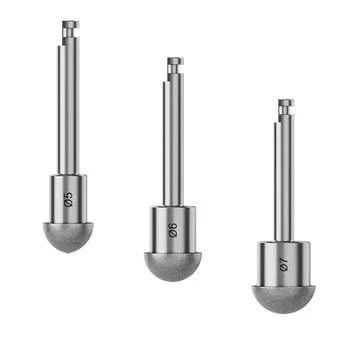
Dental implant procedures require a combination of clinical expertise, detailed treatment planning, and precision-engineered surgical instruments. Every stage of implant placement, from the initial osteotomy to the final implant insertion, plays a significant role in determining the long-term success of the treatment. Among the specialized instruments used during implant surgery, scallop shaped drills have become an important tool for achieving predictable and accurate results.
These drills are designed to support efficient bone preparation while preserving the integrity of the surrounding tissue. Their unique cutting geometry allows clinicians to prepare implant sites with greater control, helping create the ideal conditions for implant stability and successful osseointegration. Whether performing a straightforward single-tooth implant or a more complex full-mouth rehabilitation, selecting the right drill can improve both surgical efficiency and patient outcomes.
This article explains why scallop shaped drills are essential for successful dental implant procedures and how they contribute to precision, safety, and long-term implant success.
Understanding Scallop Shaped Drills
Scallop shaped drills are specialized instruments used during the preparation of the implant osteotomy. Their distinctive cutting design enables controlled bone removal while maintaining excellent stability throughout the drilling process.
Unlike standard implant drills, scallop shaped drills are engineered to provide smoother cutting action, better guidance during drilling, and improved accuracy when preparing the implant site. They are commonly incorporated into modern implant systems to support precise surgical techniques.
Their advanced design allows clinicians to prepare the implant site while minimizing unnecessary trauma to the surrounding bone.
The Importance of Accurate Bone Preparation
Bone preparation is one of the most critical stages of dental implant surgery. The implant site must be prepared with the correct diameter, depth, and angulation to ensure that the implant is placed securely within the jawbone.
Proper osteotomy preparation helps achieve:
- Excellent primary implant stability
- Predictable implant positioning
- Healthy bone preservation
- Improved osseointegration
- Long-term restoration success
Any deviation during drilling can affect implant alignment, stability, and overall treatment outcomes. This is why precision instruments like scallop shaped drills are highly valued in implant dentistry.
How Scallop Shaped Drills Improve Surgical Precision
One of the greatest advantages of scallop shaped drills is their ability to improve surgical precision.
Their carefully engineered cutting edges allow clinicians to remove bone gradually and accurately while maintaining complete control throughout the procedure.
This precise preparation creates an osteotomy that closely matches the dimensions of the selected implant.
Greater precision results in:
- Accurate implant positioning
- Proper drilling depth
- Better angulation control
- Consistent surgical outcomes
Improved precision also reduces the likelihood of surgical errors that may compromise implant success.
Supporting Better Implant Stability
Primary implant stability is essential for successful healing and long-term implant performance. A stable implant experiences less movement during the healing period, allowing bone cells to integrate effectively with the implant surface.
Scallop shaped drills contribute to implant stability by preparing a well-defined osteotomy that provides the appropriate fit for the implant fixture.
This helps promote:
- Strong initial mechanical stability
- Predictable implant insertion
- Reduced micromovement
- Better healing conditions
- Improved long-term success
Stable implant placement is particularly important when immediate loading protocols are being considered.
Preserving Healthy Bone Structure
Bone preservation is another significant benefit of using scallop shaped drills.
Their efficient cutting action removes only the bone required for implant placement while minimizing unnecessary damage to adjacent tissues. Preserving healthy bone supports stronger implant integration and helps maintain the natural contours of the jaw.
Maintaining bone quality also contributes to better functional and aesthetic outcomes following implant treatment.
Reducing Heat During Osteotomy Preparation
Excessive heat generation during drilling can negatively affect bone vitality. High temperatures may damage surrounding bone tissue, increasing the risk of delayed healing or implant failure.
Scallop shaped drills are designed to improve cutting efficiency, reducing friction during osteotomy preparation. When combined with proper irrigation and recommended drilling speeds, they help maintain safe bone temperatures throughout the procedure.
This creates a healthier environment for successful osseointegration.
Improving Surgical Efficiency
Modern implant dentistry emphasizes both precision and efficiency.
Scallop shaped drills allow clinicians to prepare implant sites more smoothly, reducing resistance during drilling and improving workflow in the surgical setting.
Their performance helps practitioners:
- Complete osteotomy preparation efficiently
- Maintain consistent drilling control
- Reduce operator fatigue
- Increase confidence during surgery
- Deliver predictable clinical results
Efficient instrumentation benefits both the clinician and the patient.
Applications of Scallop Shaped Drills
Scallop shaped drills are suitable for a wide variety of implant procedures.
Common clinical applications include:
Single-Tooth Implant Placement
Accurate osteotomy preparation supports ideal implant positioning and restoration alignment.
Multiple Implant Cases
Consistency becomes especially important when placing several implants during one surgical appointment.
Immediate Implant Placement
Following tooth extraction, scallop shaped drills help prepare the implant site while preserving available bone.
Guided Implant Surgery
Their precision complements digital treatment planning and guided surgical techniques.
Complex Restorative Cases
Advanced implant procedures requiring careful angulation and positioning benefit from the enhanced control these drills provide.
Best Practices for Using Scallop Shaped Drills
To maximize clinical performance, clinicians should follow established surgical protocols.
Always use the recommended drilling sequence for the selected implant system.
Maintain continuous sterile irrigation throughout the procedure to control heat generation.
Operate at the manufacturer's recommended drilling speed to optimize cutting efficiency.
Inspect drills regularly for signs of wear, dullness, or damage before every procedure.
Clean and sterilize instruments according to accepted infection-control standards after each use.
Proper maintenance helps preserve cutting performance and extends instrument life.
Selecting High-Quality Scallop Shaped Drills
Choosing premium surgical instruments contributes directly to successful implant procedures.
When evaluating scallop shaped drills, consider:
- Surgical-grade stainless steel construction
- Precision manufacturing
- Excellent cutting performance
- Compatibility with implant systems
- Resistance to corrosion
- Long-term durability
High-quality drills deliver more consistent performance and improve surgical confidence.
Why Dental Professionals Choose Universal Shapers
Universal Shapers manufactures precision dental implant instruments designed to support the needs of modern implant dentistry. Its scallop shaped drills are developed with attention to cutting efficiency, durability, and clinical accuracy.
These instruments are designed to help clinicians achieve:
- Accurate osteotomy preparation
- Reliable implant positioning
- Smooth drilling performance
- Consistent clinical results
- Long-lasting instrument durability
Using precision-engineered surgical instruments supports improved workflow while maintaining high standards of patient care.
Conclusion
Successful dental implant procedures depend on careful planning, precise surgical techniques, and reliable instrumentation. Scallop shaped drills play a crucial role in preparing accurate implant osteotomies, preserving healthy bone, reducing surgical trauma, and improving primary implant stability.
Their advanced design allows clinicians to perform implant procedures with greater confidence while supporting predictable long-term outcomes. By incorporating high-quality scallop shaped drills into modern implant protocols and following proper surgical techniques, dental professionals can enhance treatment efficiency, promote successful osseointegration, and deliver lasting results for their patients.