
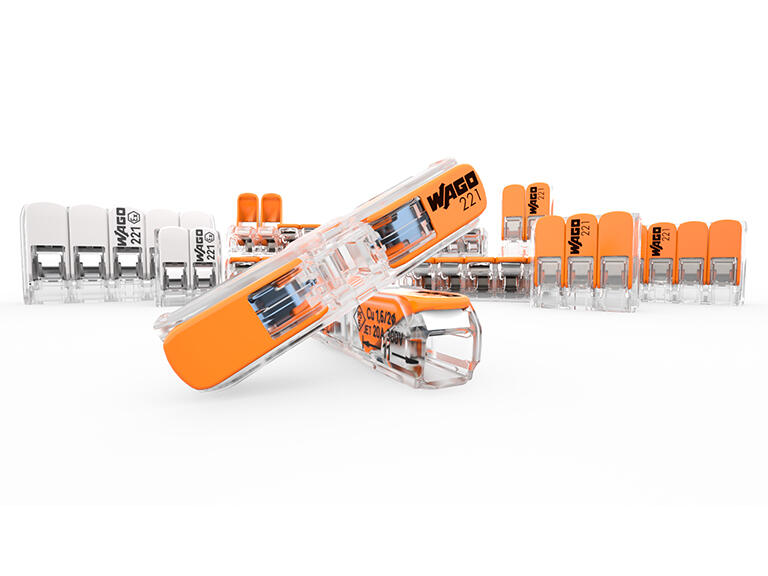
The intricate network of wires that powers our modern world can quickly become a tangled mess, especially in complex electrical systems. These systems, prevalent in industrial automation, building management, and various other applications, pose significant challenges in wire management, troubleshooting, and maintainability.
Enter terminal blocks – unassuming heroes that bring order and efficiency to electrical interconnections.
The Challenges Of Complex Electrical Systems
Imagine a control cabinet in a factory: a labyrinth of wires snakes its way around various components, making tracing connections and identifying faults a logistical nightmare. This scenario exemplifies the core challenges associated with complex electrical systems:
- Wire Management
In a maze of wires, proper organisation becomes critical yet often neglected. Loose wires can snag and disconnect, leading to malfunctions. Additionally, tracing specific wires for troubleshooting becomes a time-consuming and error-prone task.
- Troubleshooting
When a system malfunctions, pinpointing the culprit can be a frustrating endeavour in a disorganised web of wires. Identifying the location of a loose connection or a faulty component becomes a game of chance, leading to increased downtime and lost productivity.
- Maintainability
Regular maintenance tremendously helps with the longevity and any electrical system. However, in a cluttered environment, accessing specific connections for inspection or repair becomes challenging, further hindering system uptime.
Terminal Blocks: Champions Of Organization And Efficiency
Terminal block connectors act as the unsung heroes in the world of electrical interconnections. These small, modular devices provide a structured, organised way to connect multiple wires. Here's how they address the challenges of complex electrical systems:
- Organised Wiring Layouts
Terminal blocks offer designated connection points for each wire, ensuring a clean and organised layout. This makes identifying specific wires and trace connections easy, streamlining the installation and maintenance process.
- Simplified Troubleshooting
Many terminal blocks come with colour-coded terminals, easily identifying different circuits and wire functions. This visual cue saves time and effort during troubleshooting by guiding technicians directly to the relevant connections. Additionally, some terminal blocks offer features like test points, facilitating quick and accurate voltage and continuity checks.
- Enhanced Maintainability
Terminal blocks generally offer screw-clamp or spring-clamp connections, allowing for secure and easily accessible wire terminations. This simplifies disconnecting or reconnecting wires during maintenance or repair procedures. Additionally, clear labelling options on terminal blocks enable technicians to identify specific circuits and connections at a glance.
Real-World Applications: Terminal Blocks In Action
The benefits of terminal blocks translate into tangible efficiency gains across various domains:
- Industrial Automation
In complex control panels for industrial machinery, terminal blocks ensure organised wiring of sensors, actuators, and power supplies. This allows for efficient troubleshooting in case of equipment malfunction, minimising production downtime. Additionally, colour-coded terminals expedite maintenance procedures by directing technicians to the relevant connections.
- Building Management Systems
Modern buildings rely on intricate networks of wires for lighting control, HVAC systems, and security alarms. Terminal blocks provide a structured approach to connecting these circuits within electrical panels. This facilitates easier identification of specific circuits during troubleshooting and simplifies maintenance tasks for building electrical systems.
- Renewable Energy Systems
With a steadily growing adoption of solar panels and wind turbines, efficient interconnection of these systems to the grid becomes crucial. Terminal blocks are vital in organising the wiring between solar panels or wind turbines and their inverters, ensuring safe and reliable power generation.
Final Thoughts
In the intricate world of electrical interconnections, Terminal Block Connectors play a critical yet often overlooked role. By promoting organised wiring layouts, simplifying troubleshooting, and facilitating easier maintenance, they contribute significantly to the efficiency and reliability of electrical systems. As the sophistication of electrical systems continues to evolve, terminal blocks will undoubtedly remain essential tools for ensuring efficient and safe operation across diverse applications.